


| AiP74LVC244는 3상 출력을 갖는 8진수 비반전 버퍼/라인 드라이버입니다. 3상 출력은 출력 활성화 입력 1OE(—)와 2OE(—)에 의해 제어됩니다. nOE(—)에 HIGH가 인가되면 출력은 고임피던스 OFF 상태가 됩니다. 모든 입력에 슈미트 트리거 동작이 적용되어 입력 상승 및 하강 시간이 느린 경우에도 회로가 안정적으로 작동합니다. 입력은 3.3V 또는 5.0V 장치에서 구동할 수 있습니다. 3상 동작에서 출력은 5V를 처리할 수 있습니다. 이러한 특징 덕분에 이 장치는 3.3V와 5V가 혼합된 환경에서 변환기로 사용할 수 있습니다. |
PN :
AiP74LVC244설명 :
Octal Buffer/Line Driver; 3-state전압 범위 :
1.2~5.5V핀 개수 :
20패키지 :
SOP20 /TSSOP20 /DHVQFN205V 로직과의 인터페이스를 위한 5V 내성 입력/출력
1.2V~3.6V의 넓은 공급 전압 범위
CMOS 저전력 소비
TTL 레벨과의 직접적인 인터페이스
입력 전압은 최대 5.5V까지 지원합니다.
VCC=0V일 때 높은 임피던스
포장 정보: SOP20/TSSOP20/DHVQFN20
AiP74AVC16T245는 양방향 레벨 전압 변환 및 3상 출력을 갖춘 16비트 트랜시버입니다. 이 장치는 두 개의 8비트 트랜시버 또는 하나의 16비트 트랜시버로 사용할 수 있습니다. 전압 변환을 위한 이중 전원 공급(VCC(A) 및 VCC(B))과 각각 자체 출력 활성화(n) 및 송수신(nDIR) 입력이 있는 4개의 8비트 입출력 포트(nAn 및 nBn)를 갖추고 있습니다. VCC(A)와 VCC(B)는 0.8V에서 3.6V 사이의 임의의 전압으로 독립적으로 공급될 수 있으므로 0.8V, 1.2V, 1.5V, 1.8V, 2.5V 및 3.3V의 다양한 전압 간의 저전압 변환에 적합합니다. nDIR 입력이 HIGH이면 nAn에서 nBn으로의 전송이 선택되고, nDIR 입력이 LOW이면 nBn에서 nAn으로의 전송이 선택됩니다. n에 HIGH 신호가 가해지면 출력은 높은 임피던스의 OFF 상태가 됩니다.이 장치는 IOFF를 사용하는 부분 전원 차단 애플리케이션에 대해 완벽하게 사양이 정의되어 있습니다. IOFF 회로는 출력을 비활성화하여 전원이 차단될 때 장치를 통해 유해한 역류 전류가 흐르는 것을 방지합니다. 절전 모드에서 VCC(A) 또는 VCC(B) 중 하나가 GND 레벨일 때 nAn과 nBn은 모두 고임피던스 OFF 상태가 됩니다.
세부
AiP74AVC16T245는 양방향 레벨 전압 변환 및 3상 출력을 갖춘 16비트 트랜시버입니다. 이 장치는 두 개의 8비트 트랜시버 또는 하나의 16비트 트랜시버로 사용할 수 있습니다. 전압 변환을 위한 이중 전원 공급(VCC(A) 및 VCC(B))과 각각 자체 출력 활성화(n) 및 송수신(nDIR) 입력이 있는 4개의 8비트 입출력 포트(nAn 및 nBn)를 갖추고 있습니다. VCC(A)와 VCC(B)는 0.8V에서 3.6V 사이의 임의의 전압으로 독립적으로 공급될 수 있으므로 0.8V, 1.2V, 1.5V, 1.8V, 2.5V 및 3.3V의 다양한 전압 간의 저전압 변환에 적합합니다. nDIR 입력이 HIGH이면 nAn에서 nBn으로의 전송이 선택되고, nDIR 입력이 LOW이면 nBn에서 nAn으로의 전송이 선택됩니다. n에 HIGH 신호가 가해지면 출력은 높은 임피던스의 OFF 상태가 됩니다.이 장치는 IOFF를 사용하는 부분 전원 차단 애플리케이션에 대해 완벽하게 사양이 정의되어 있습니다. IOFF 회로는 출력을 비활성화하여 전원이 차단될 때 장치를 통해 유해한 역류 전류가 흐르는 것을 방지합니다. 절전 모드에서 VCC(A) 또는 VCC(B) 중 하나가 GND 레벨일 때 nAn과 nBn은 모두 고임피던스 OFF 상태가 됩니다.
세부
AiP74AUP1G00은 2입력 NAND 기능을 하나 제공합니다. 이 장치는 0.8V에서 3.6V에 이르는 전체 VCC 범위에서 매우 낮은 정적 및 동적 전력 소비를 보장합니다.
세부
AiP74AUP1G00은 2입력 NAND 기능을 하나 제공합니다. 이 장치는 0.8V에서 3.6V에 이르는 전체 VCC 범위에서 매우 낮은 정적 및 동적 전력 소비를 보장합니다.
세부
AiP74AUP1G04는 단일 반전 버퍼를 제공합니다. 이 장치는 0.8V에서 3.6V에 이르는 전체 VCC 범위에서 매우 낮은 정적 및 동적 전력 소비를 보장합니다.
세부
AiP74AUP1GU04는 버퍼링되지 않은 단일 반전 게이트를 제공합니다. 이 장치는 0.8V에서 3.6V에 이르는 전체 VCC 범위에서 매우 낮은 정적 및 동적 전력 소비를 보장합니다.
세부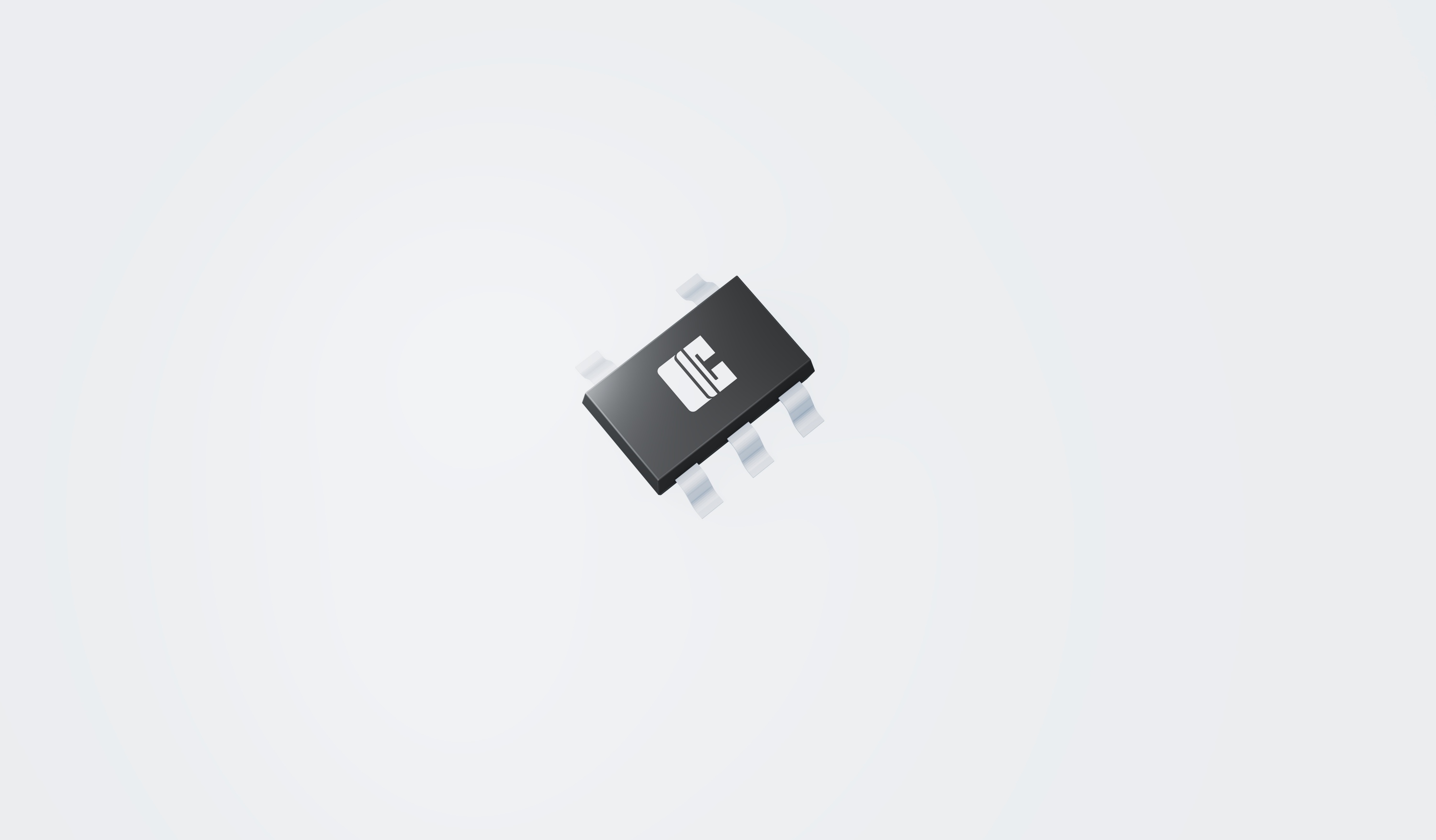
AiP74AUP1G06은 오픈 드레인 출력을 갖춘 단일 반전 버퍼를 제공합니다. 이 장치는 0.8V에서 3.6V에 이르는 전체 VCC 범위에서 매우 낮은 정적 및 동적 전력 소비를 보장합니다.
세부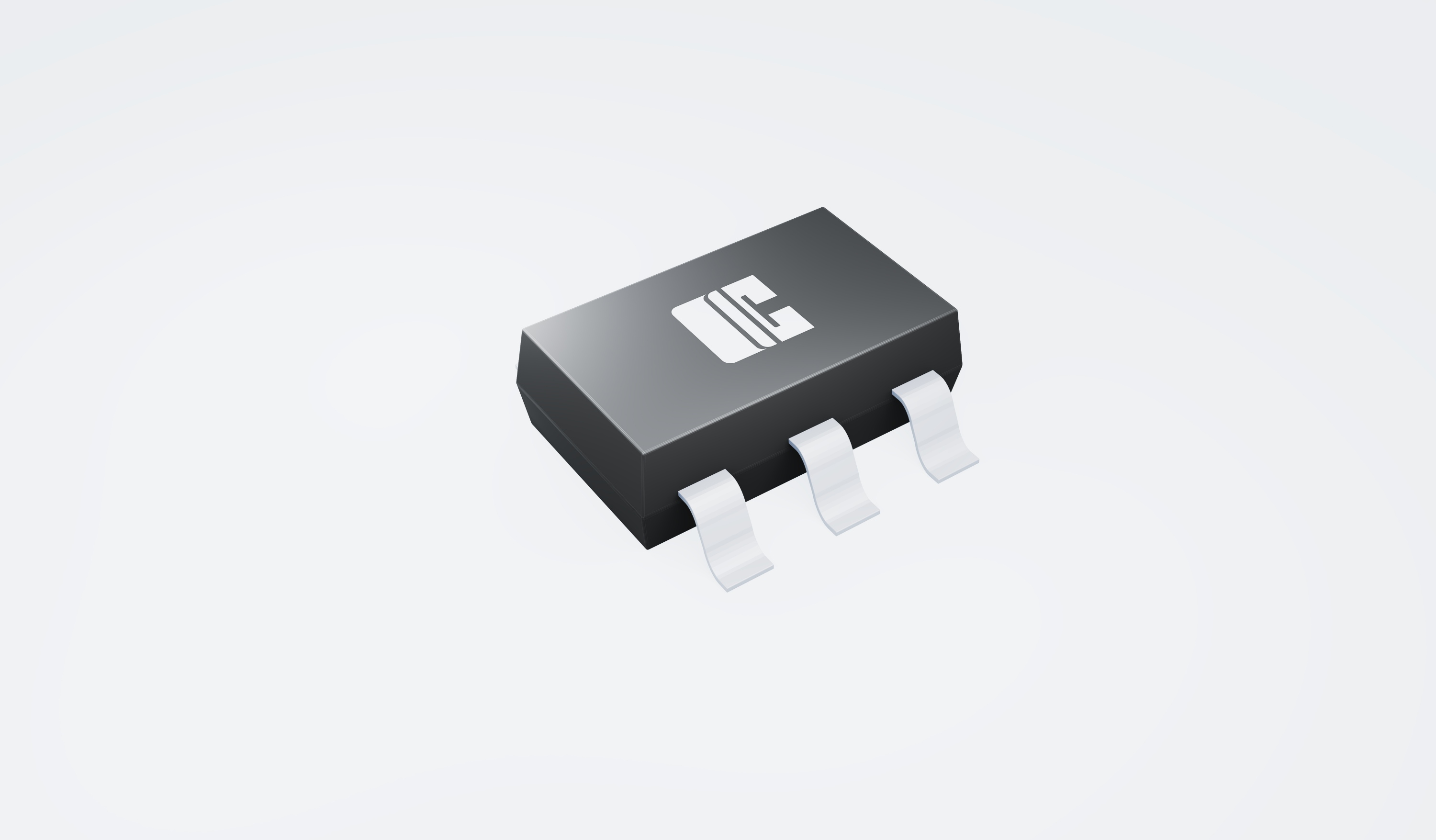
AiP74AUP1G0832는 불리언 연산 Y=(A×B)+C를 제공합니다. 사용자는 OR, AND, AND-OR 논리 연산을 선택할 수 있습니다. 이 장치는 0.8V에서 3.6V까지의 전체 VCC 범위에서 매우 낮은 정적 및 동적 전력 소비를 보장합니다.
세부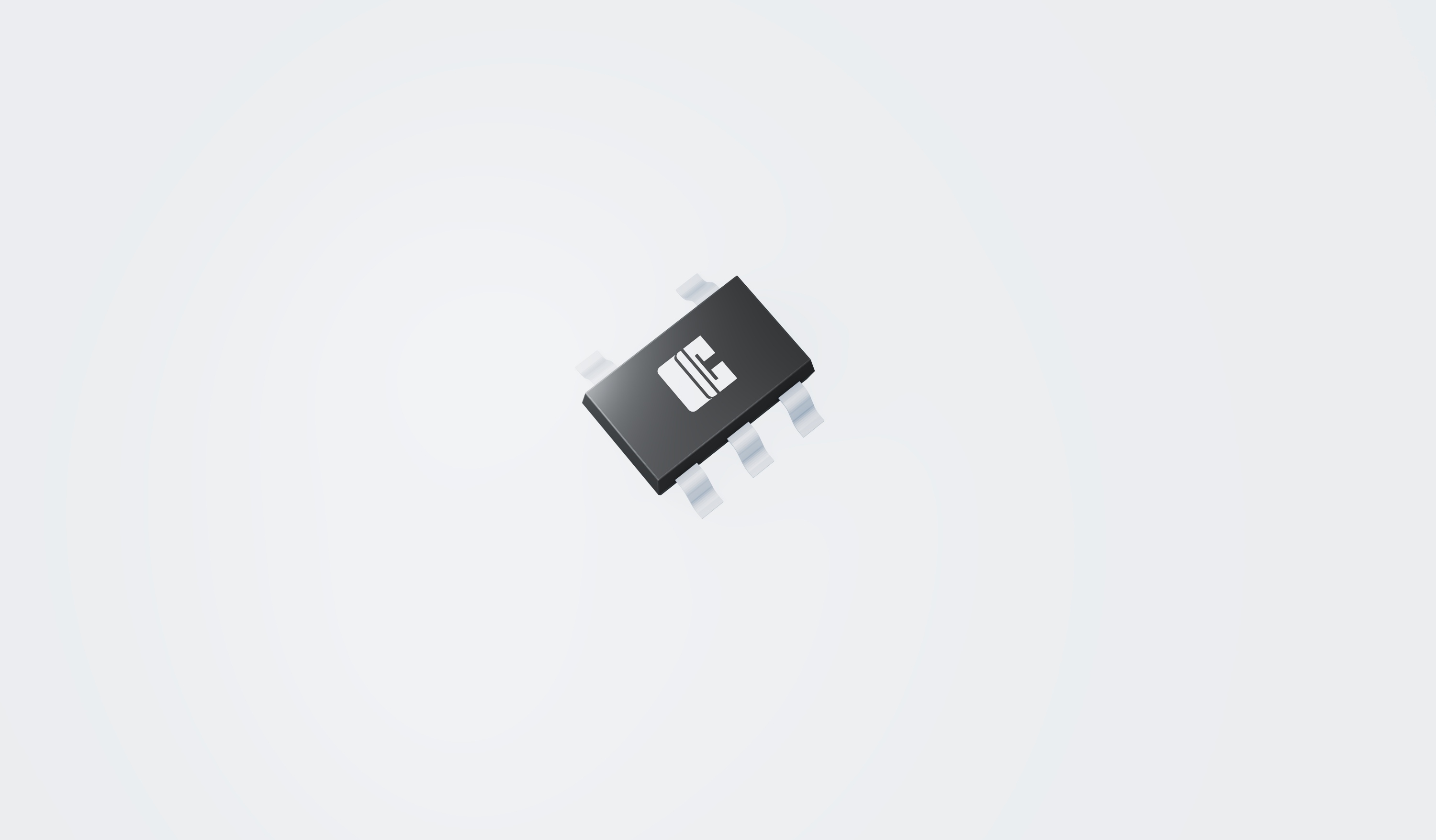
AiP74AUP1G09는 오픈 드레인 출력을 갖춘 단일 2입력 AND 게이트를 제공합니다. 이 장치는 0.8V에서 3.6V에 이르는 전체 VCC 범위에서 매우 낮은 정적 및 동적 전력 소비를 보장합니다.
세부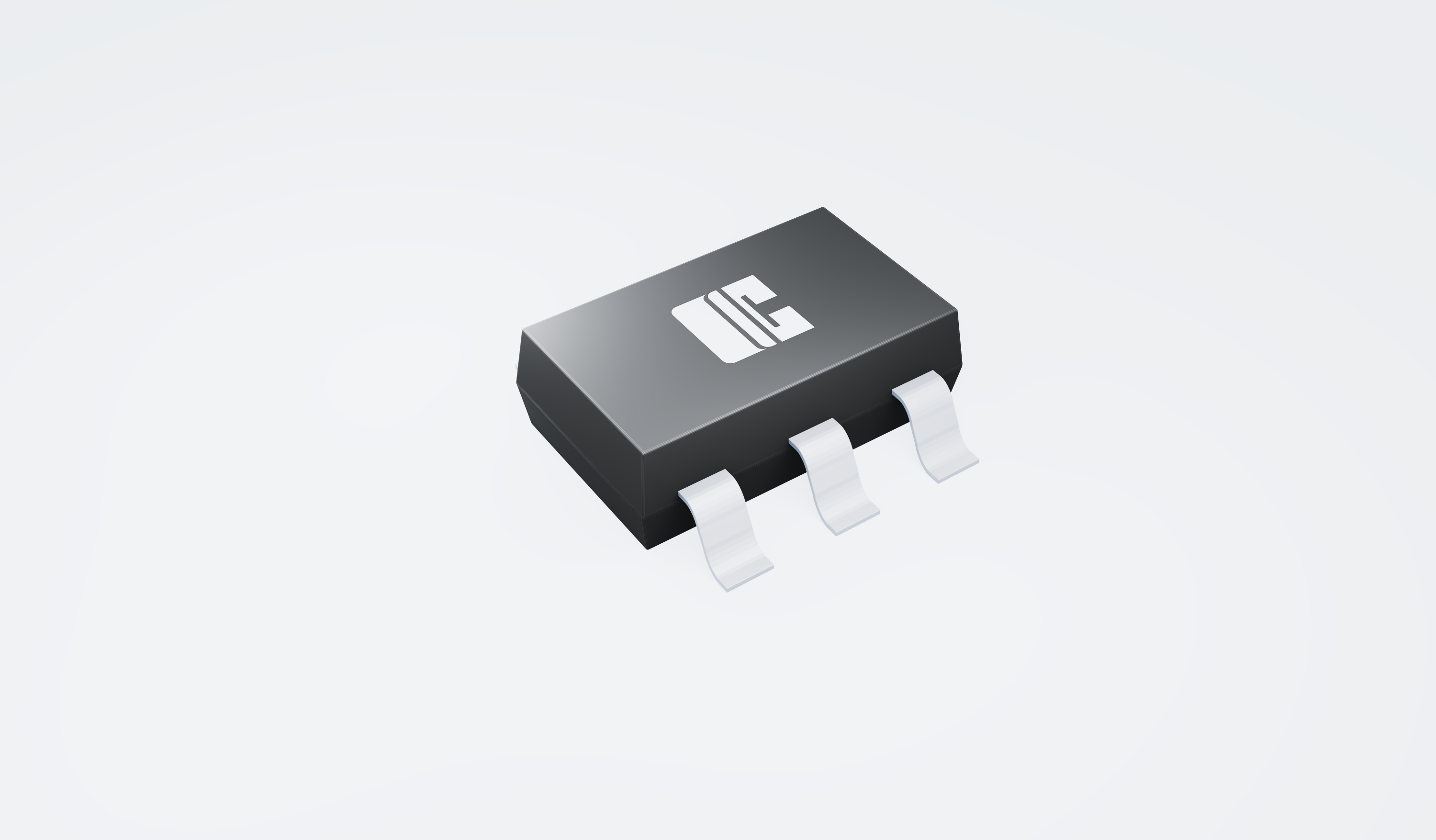
AiP74AUP1G11은 3입력 AND 연산 기능을 제공합니다. 이 장치는 0.8V에서 3.6V에 이르는 전체 VCC 범위에서 매우 낮은 정적 및 동적 전력 소비를 보장합니다.
세부
AiP74AUP1G17은 단일 슈미트 트리거 버퍼를 제공합니다.이 장치는 0.8V에서 3.6V에 이르는 전체 VCC 범위에서 매우 낮은 정적 및 동적 전력 소비를 보장합니다.
세부
AiP74AUP1G34는 두 개의 저전력, 저전압 버퍼를 제공합니다. 이 장치는 0.8V에서 3.6V에 이르는 전체 VCC 범위에서 매우 낮은 정적 및 동적 전력 소비를 보장합니다.
세부
AiP74AUP1G38은 오픈 드레인 출력을 갖춘 단일 2입력 NAND 게이트를 제공합니다. 이 장치는 0.8V에서 3.6V에 이르는 전체 VCC 범위에서 매우 낮은 정적 및 동적 전력 소비를 보장합니다.
세부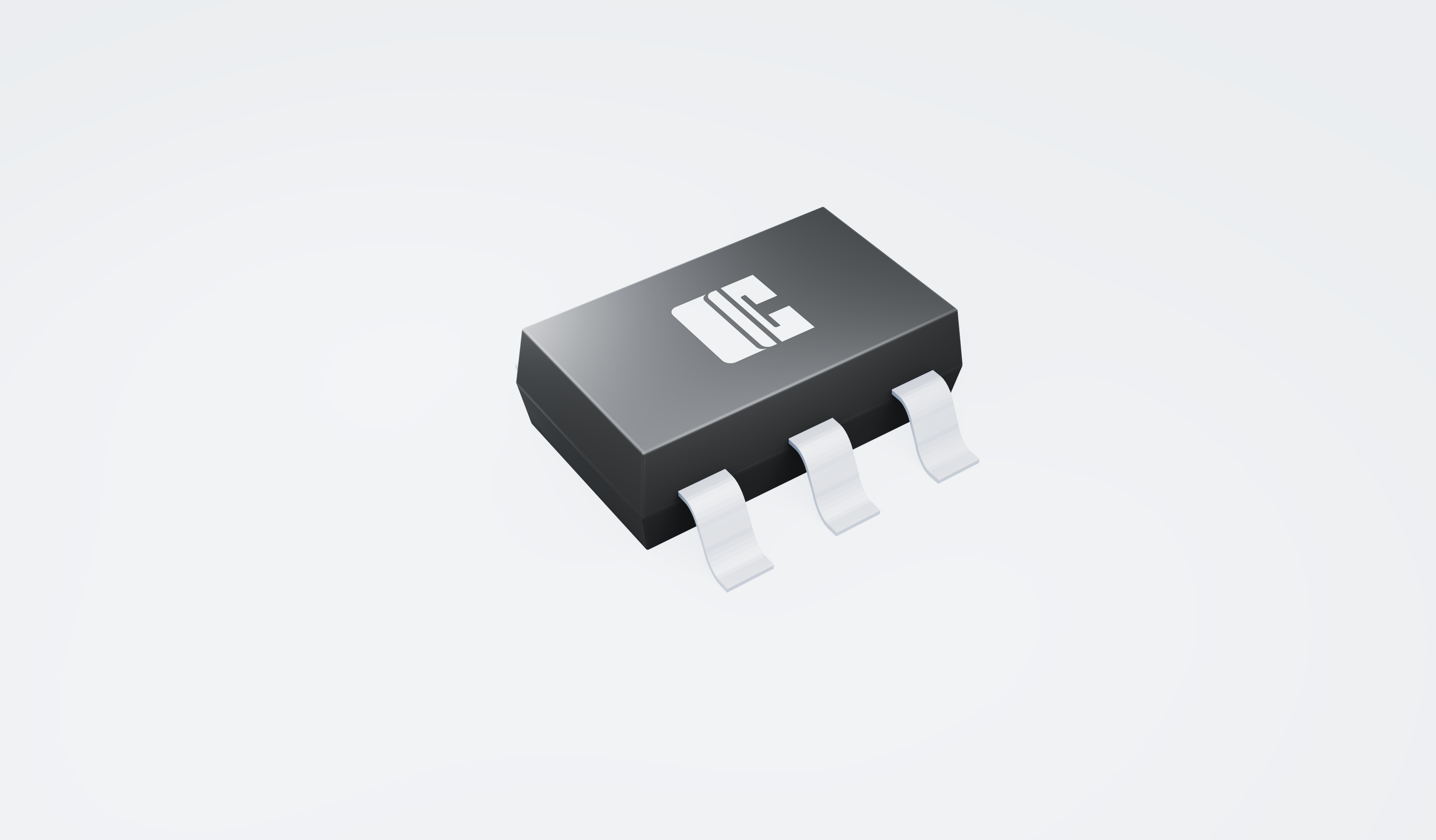
AiP74AUP1G57은 구성 가능한 다양한 기능을 제공합니다. 이 장치는 0.8V에서 3.6V에 이르는 전체 VCC 범위에서 매우 낮은 정적 및 동적 전력 소비를 보장합니다.
세부
AiP74AUP1G58은 다양한 기능을 구성할 수 있도록 설계되었습니다. 이 장치는 0.8V에서 3.6V에 이르는 전체 VCC 범위에서 매우 낮은 정적 및 동적 전력 소비를 보장합니다.
세부
AiP74AUP1G79는 단일 양의 에지 트리거 방식의 D형 플립플롭을 제공합니다. 이 소자는 0.8V에서 3.6V에 이르는 전체 VCC 범위에서 매우 낮은 정적 및 동적 전력 소비를 보장합니다.
세부
AiP74AUP1G86은 2입력 단일 배타적 논리합(EXCLUSIVE-OR) 게이트 기능을 제공합니다. 이 장치는 0.8V에서 3.6V에 이르는 전체 VCC 범위에서 매우 낮은 정적 및 동적 전력 소비를 보장합니다.
세부
AiP74AUP1G132는 2입력 NAND 슈미트 트리거를 하나 제공합니다. 이 장치는 0.8V에서 3.6V에 이르는 전체 VCC 범위에서 매우 낮은 정적 및 동적 전력 소비를 보장합니다.
세부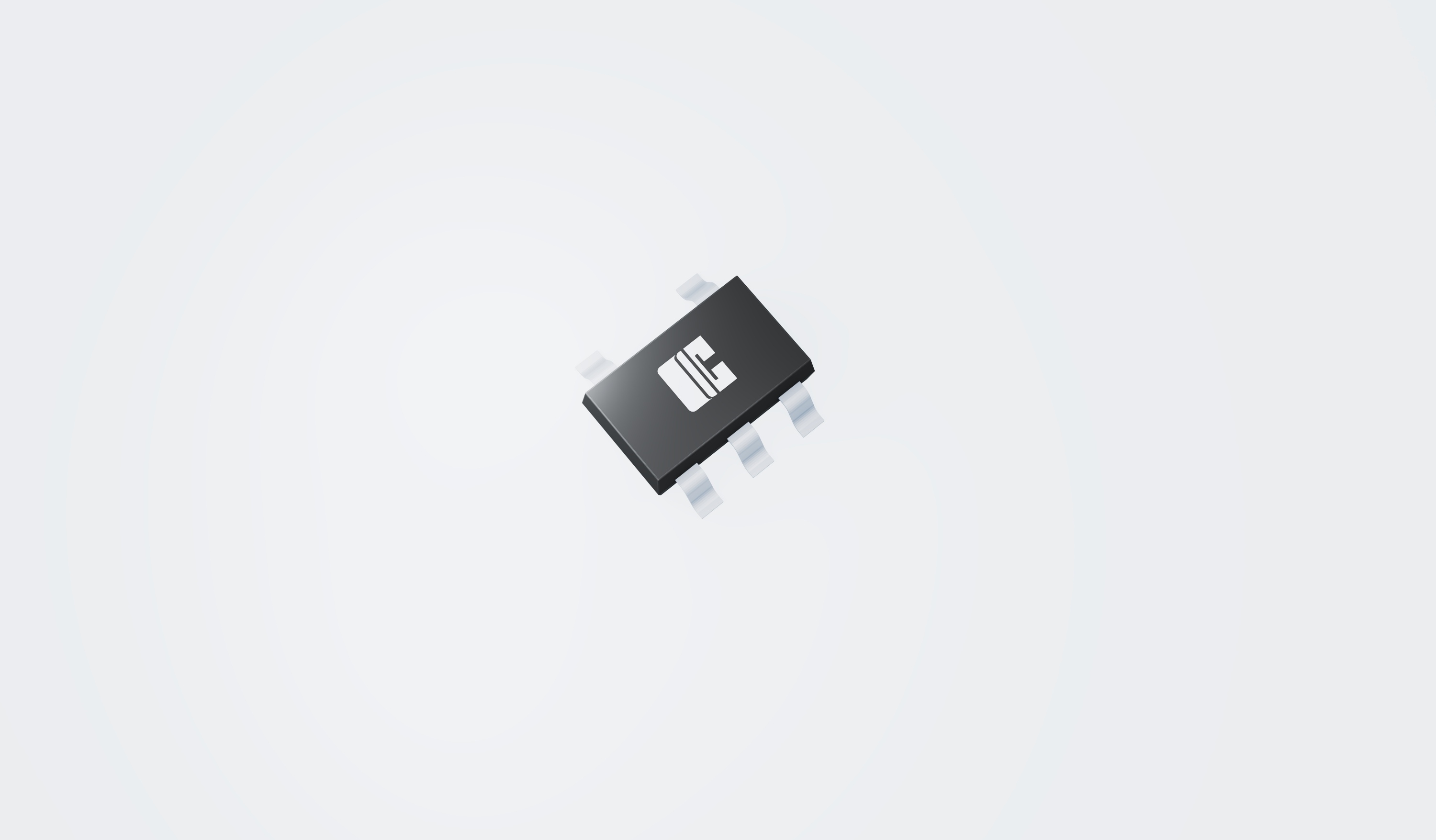
AiP74AUP1G332는 3입력 OR 게이트 하나를 제공합니다. 이 장치는 전체 VCC 범위에서 매우 낮은 정적 및 동적 전력 소비를 보장합니다. 0.8V ~ 3.6V.
세부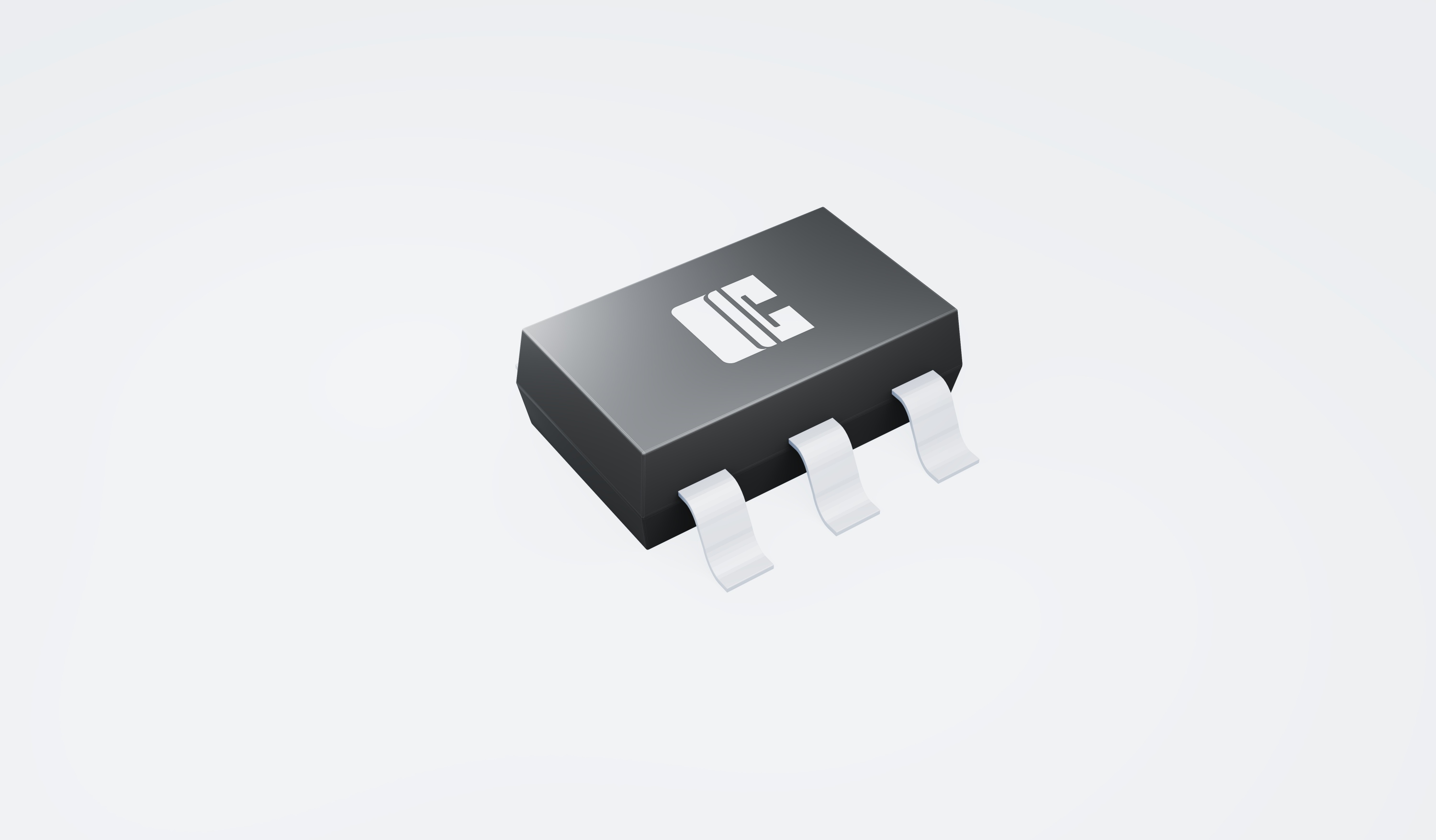
AiP74AUP1G373은 단일 D형 투명 래치 3상 출력을 제공합니다. 이 장치는 0.8V에서 3.6V에 이르는 전체 VCC 범위에서 매우 낮은 정적 및 동적 전력 소비를 보장합니다.
세부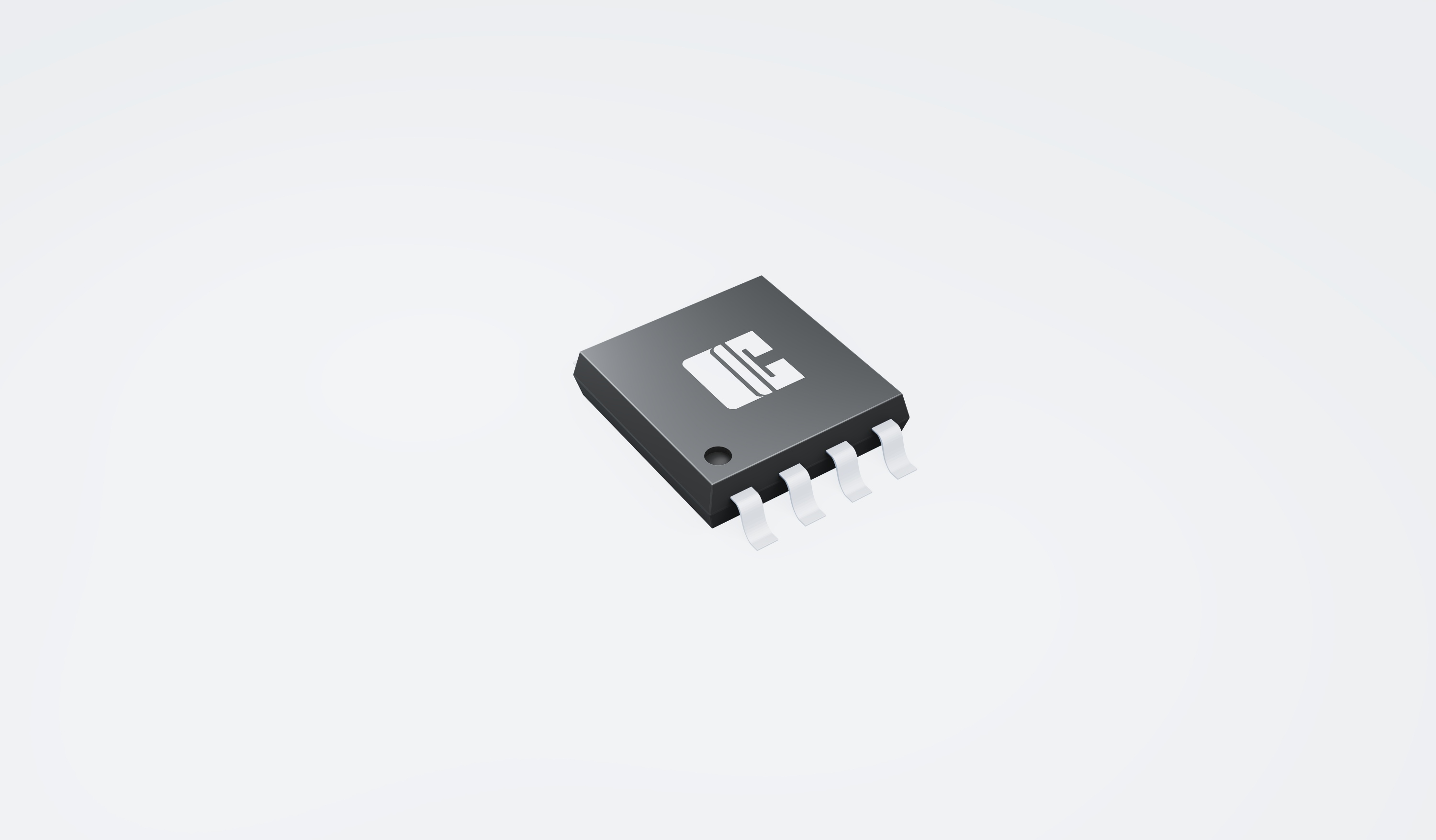
AiP74AUP2G00은 듀얼 2입력 AND 기능을 제공합니다. 이 장치는 0.8V에서 3.6V에 이르는 전체 VCC 범위에서 매우 낮은 정적 및 동적 전력 소비를 보장합니다.
세부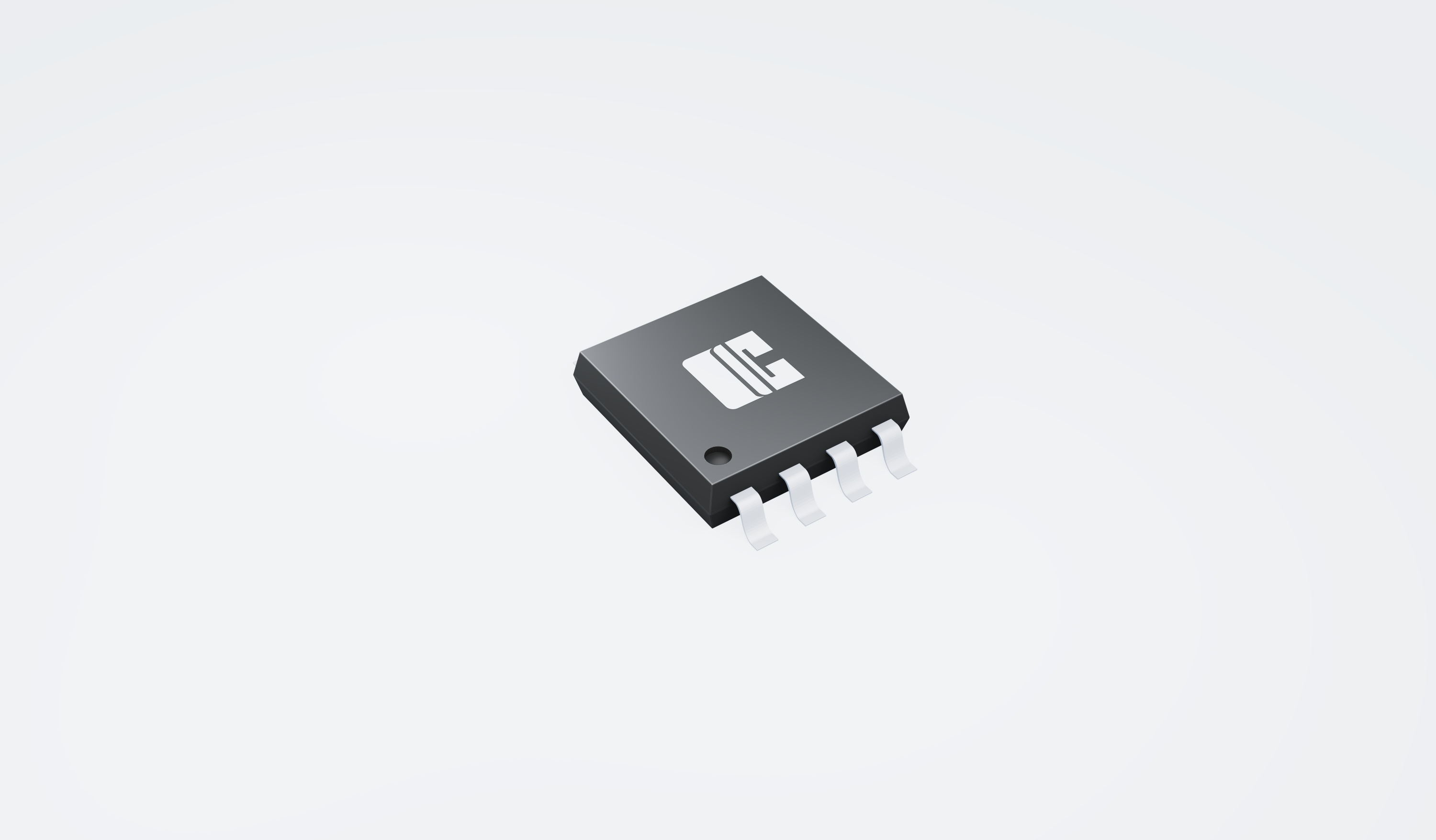
AiP74AUP2G02는 표준 입력 신호를 수용하는 듀얼 2입력 NOR 기능을 제공합니다. 이 장치는 0.8V에서 3.6V에 이르는 전체 VCC 범위에서 매우 낮은 정적 및 동적 전력 소비를 보장합니다.
세부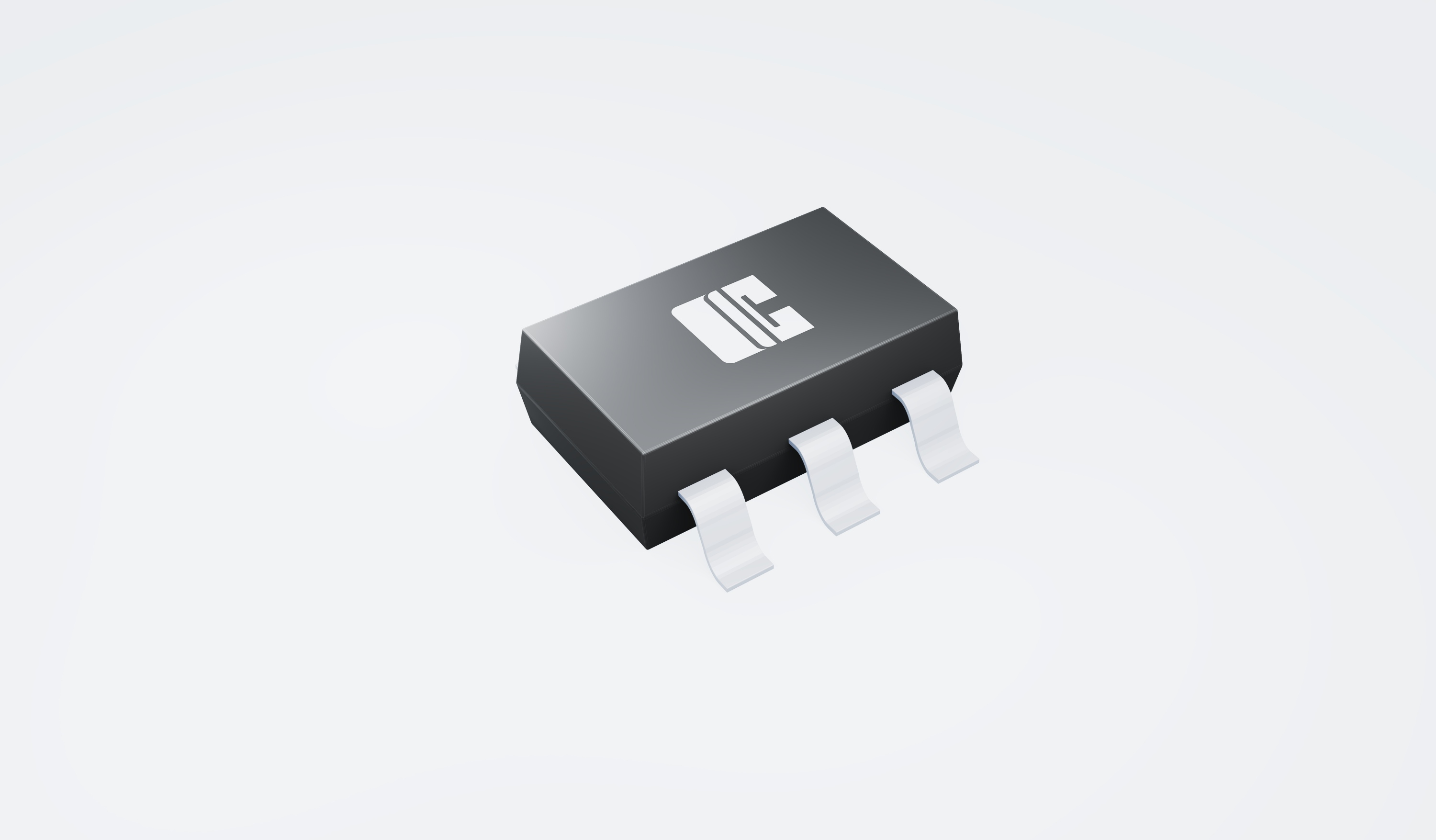
AiP74AUP2G04는 두 개의 반전 버퍼를 제공합니다. 이 장치는 0.8V에서 3.6V에 이르는 전체 VCC 범위에서 매우 낮은 정적 및 동적 전력 소비를 보장합니다.
세부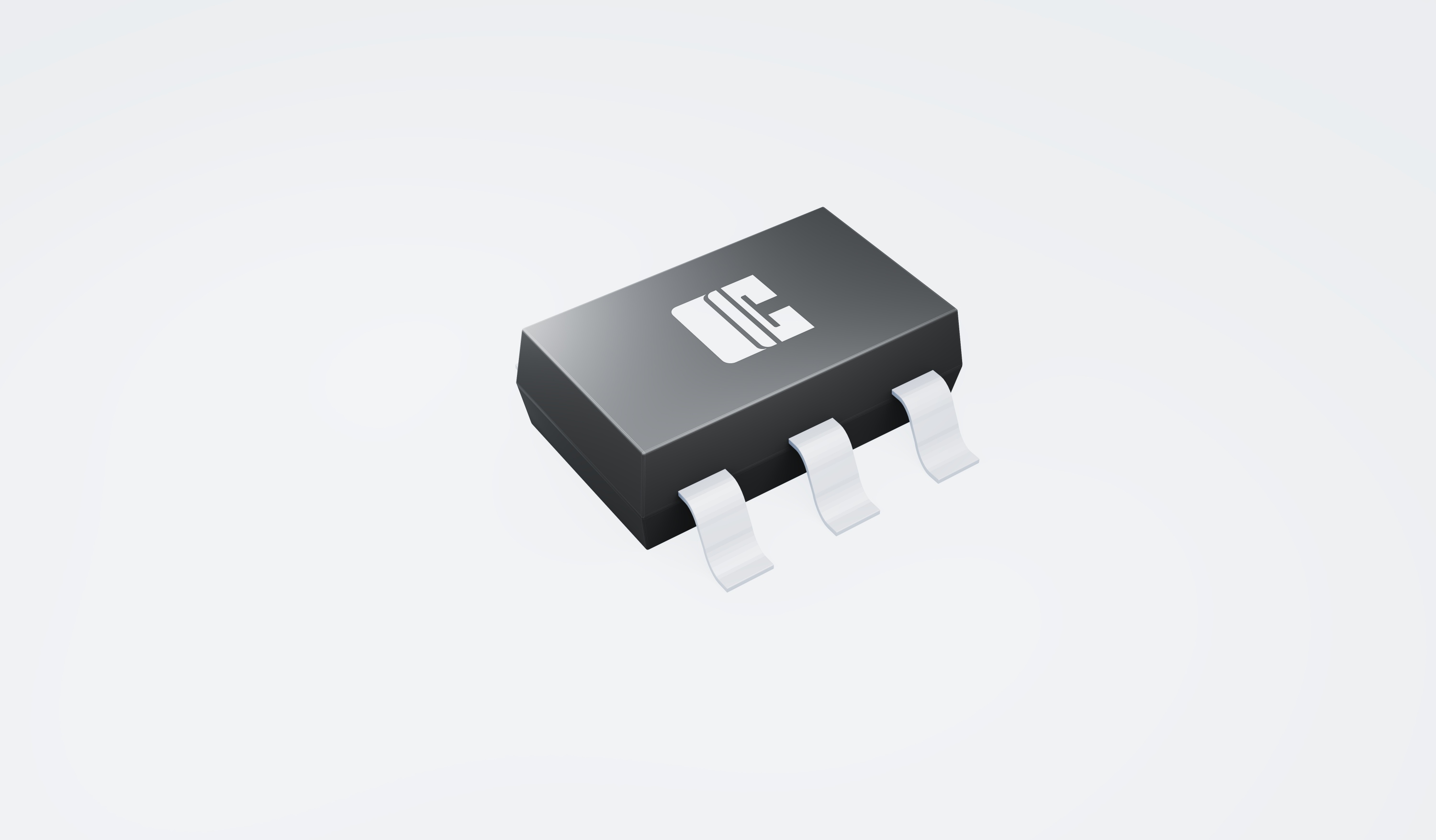
AiP74AUP2GU04는 버퍼링되지 않은 반전 게이트 2개를 제공합니다. 이 소자는 0.8V에서 3.6V에 이르는 전체 VCC 범위에서 매우 낮은 정적 및 동적 전력 소비를 보장합니다.
세부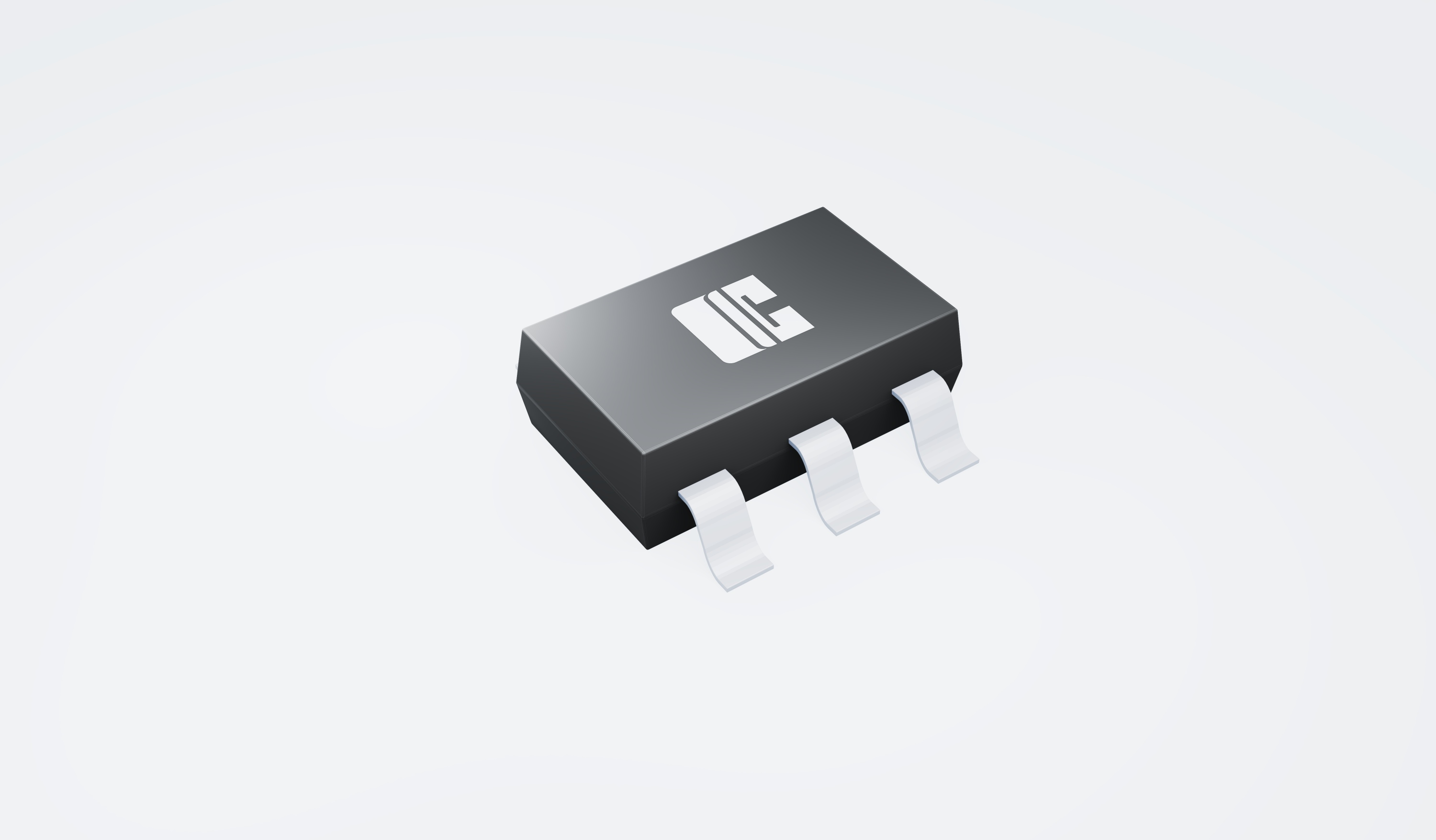
AiP74AUP2G06은 오픈 드레인 출력을 갖춘 두 개의 반전 버퍼를 제공합니다. 이 장치는 0.8V에서 3.6V에 이르는 전체 VCC 범위에서 매우 낮은 정적 및 동적 전력 소비를 보장합니다.
세부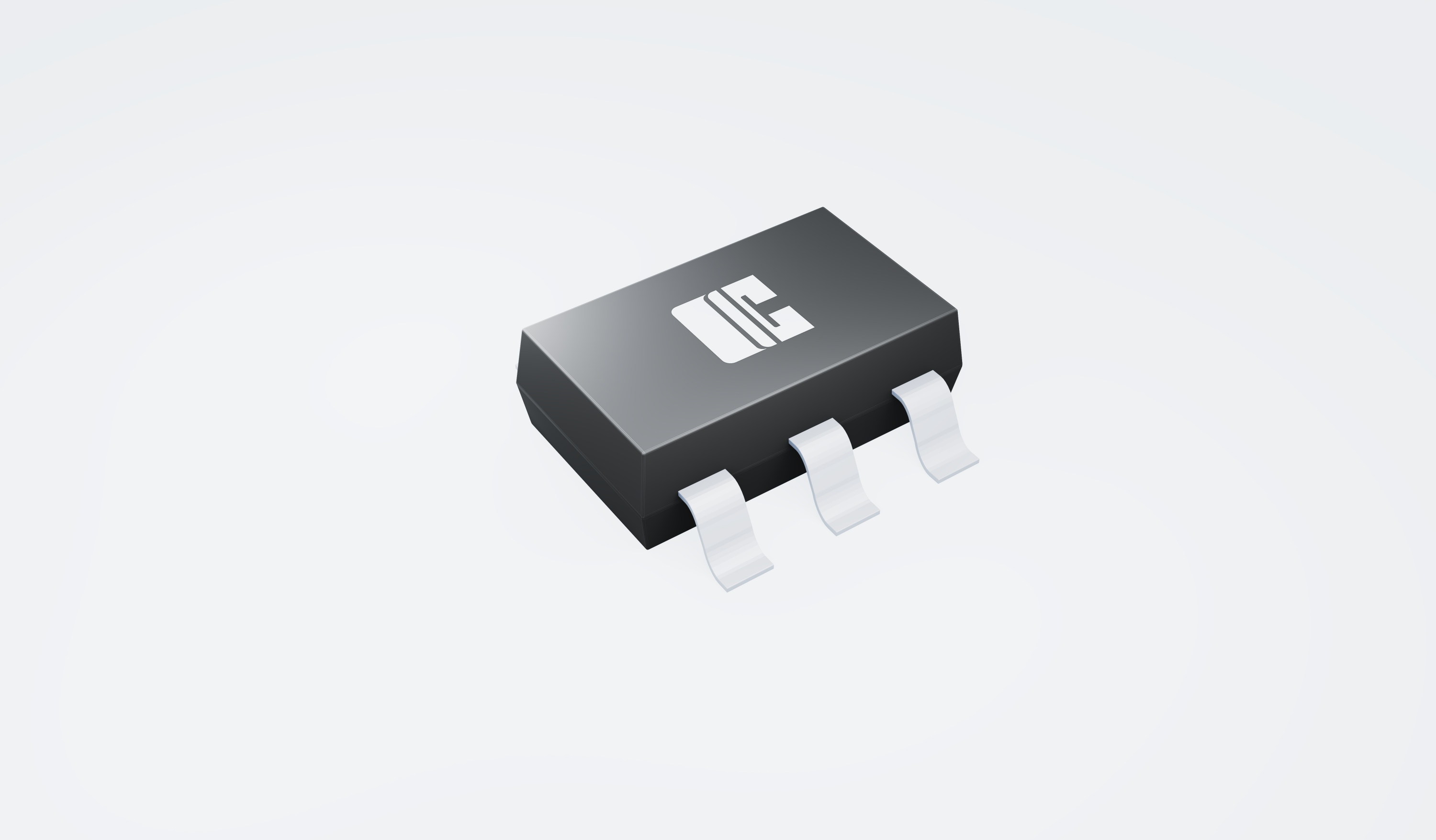
AiP74AUP2G0604는 오픈 드레인 출력을 갖춘 단일 반전 버퍼와 표준 입력 신호를 수용하는 단일 인버터를 제공합니다.이 장치는 0.8V에서 3.6V에 이르는 전체 VCC 범위에서 매우 낮은 정적 및 동적 전력 소비를 보장합니다.
세부
AiP74AUP2G07은 오픈 드레인 출력을 갖춘 두 개의 비반전 버퍼를 제공합니다. 이 장치는 0.8V에서 3.6V에 이르는 전체 VCC 범위에서 매우 낮은 정적 및 동적 전력 소비를 보장합니다.
세부
AiP74AUP2G08은 듀얼 2입력 AND 기능을 제공합니다. 이 장치는 0.8V에서 3.6V에 이르는 전체 VCC 범위에서 매우 낮은 정적 및 동적 전력 소비를 보장합니다.
세부
AiP74AUP2G09는 오픈 드레인 출력을 갖춘 듀얼 2입력 AND 게이트를 제공합니다. 이 장치는 0.8V에서 3.6V에 이르는 전체 VCC 범위에서 매우 낮은 정적 및 동적 전력 소비를 보장합니다.
세부
AiP2206은 인에이블 포트를 갖춘 양방향 IC 버스 및 SMBus 전압 레벨 변환기로, 1.0V ~ 3.6V(Vref1) 및 1.8V ~ 5.5V(Vbis(ref2)) 범위에서 동작합니다. AiP2206은 방향 핀을 사용하지 않고 1.0V에서 5V로 양방향 전압 레벨 변환을 지원합니다. 스위치의 낮은 ON 상태 저항 덕분에 최소한의 전파 지연으로 연결이 가능합니다. 인에이블 포트가 하이(high)일 때 변환기 스위치가 켜지고, SCL1과 SDA1은 각각 SCL2와 SDA2에 연결되어 양쪽 끝에서 데이터 전송이 가능해집니다. 인에이블 포트가 로우(low)일 때 스위치가 꺼지고 포트는 고임피던스 상태가 됩니다.AiP2206은 장치가 비활성화되면 양쪽을 절연하고, 활성화되면 전압 레벨 변환을 제공합니다. AiP2206은 400kHz 동작 주파수와 100kHz 동작 주파수를 사용하는 두 개의 버스를 구동하는 데 사용할 수 있습니다. 두 버스의 주파수가 다를 경우, 다른 버스가 400kHz로 동작할 때는 100kHz 버스를 절연해야 합니다. 컨트롤러가 400kHz로 동작하는 경우, 변환 지연으로 인해 시스템의 최대 동작 주파수가 400kHz보다 낮아질 수 있습니다. 표준 12C 시스템과 마찬가지로, AiP2206은 풀업 저항을 통해 변환 버스에 높은 논리 레벨을 제공해야 합니다. AiP2206은 표준 12C 버스 오픈 컬렉터 구성을 사용합니다. 풀업 저항은 시스템의 전송 속도에 따라 결정되지만, 변환기의 양쪽 끝에는 반드시 풀업 저항이 있어야 합니다. 이 장치는 주로 표준 모드, 고속 모드 및 고속 모드 플러스의 IC 버스 장치에서 SMBus 장치와 함께 작동합니다. 최대 주파수는 RC 시정수에 따라 달라지지만 일반적으로 2MHz 이상이 허용됩니다. SDA1 또는 SDA2 포트가 로우 레벨일 때 SDA1과 SDA2 사이에는 ON 상태가 되며, 작은 ON 상태 저항이 연결되어 있습니다. SDA2에 연결된 장치의 기준 하이 레벨이 SDA1에 연결된 장치의 기준 하이 레벨보다 높다고 가정하면, SDA2에 연결된 장치가 하이 레벨을 출력할 때 SDA1의 출력 전압은 VREFI에 의해 설정된 전압으로 제한됩니다. SDA1에 연결된 장치가 하이 레벨을 출력하면 SDA2는 풀업 저항을 통해 드레인 풀업 전원 공급 전압(VpuD)에 의해 설정된 하이 레벨로 풀업됩니다. 따라서 사용자는 별도의 제어 핀 없이 하이/로우 레벨을 자유롭게 전환할 수 있습니다. SCL 1/SCL 2 채널의 동작 원리는 SDA1/SDA2 채널과 동일합니다.모든 채널은 동일한 전기적 특성을 가지며, 전압이나 전파 지연에서 한쪽에서 다른 쪽으로 약간의 차이가 있습니다. 스위치의 대칭 제조는 분할 트랜지스터의 전압 레벨 변환 문제를 해결하는 데 도움이 됩니다. 이 변환기는 탁월한 ESD 보호 기능을 제공합니다.저전압 장치를 보호하는 동시에 정전기 보호 기능이 없는 장치도 보호합니다.
세부

AiPGTL2014는 4비트 GTL-LVTTL 양방향 트랜시버입니다. LVTTL은 일반적인 통신 입출력 방식이며, GTL 파라미터는 자유롭게 설정할 수 있습니다. 레벨 입력 임계값은 외부에서 제공되며, 출력은 누설 전류가 없는 개방형 출력입니다. 또한, 높은 레벨은 외부 풀업 저항을 통해 제공되므로 다양한 GTL 레벨 요구 사항을 충족할 수 있습니다.
세부
The AiP74HC/HCT4851 is 8-channel analog multiplexers/demultiplexers with three digital select inputs (S0 to S2), an active-LOW enable input (E—), eight independent inputs/outputs (Y0 to Y7) and a common input/output (Z). The devices feature injection-current effect control, which has excellent value in automotive applications where voltages in excess of the supply voltage are common.
세부
The AiP74HC/HCT4851 is 8-channel analog multiplexers/demultiplexers with three digital select inputs (S0 to S2), an active-LOW enable input (E—), eight independent inputs/outputs (Y0 to Y7) and a common input/output (Z). The devices feature injection-current effect control, which has excellent value in automotive applications where voltages in excess of the supply voltage are common.
세부
The AiP74HC/HCT48751 is a single-pole octal-throw analog switch (SP8T) suitable for use in analog or digital 8:1 multiplexer/demultiplexer applications. The switch features three digital select inputs (S0, S1 and S2), eight independent inputs/outputs (Yn), a common input/output (Z) and a digital enable input (E—). When E—is HIGH, the switches are turned off.
세부
The AiP74HC/HCT48751 is a single-pole octal-throw analog switch (SP8T) suitable for use in analog or digital 8:1 multiplexer/demultiplexer applications. The switch features three digital select inputs (S0, S1 and S2), eight independent inputs/outputs (Yn), a common input/output (Z) and a digital enable input (E—). When E—is HIGH, the switches are turned off.
세부
The AiP74HC/HCT48752 is a dual single-pole quad-throw analog switch (2×SP4T) suitable for use in analog or digital 4:1 multiplexer/demultiplexer applications. Each switch features four independent inputs/outputs (nY0, nY1, nY2 and nY3) and a common input/output (nZ). A digital enable input (E—) and two digital select inputs (S0 and S1) are common to both switches. When E—is HIGH, the switches are turned off.
세부
The AiP74HC/HCT48752 is a dual single-pole quad-throw analog switch (2×SP4T) suitable for use in analog or digital 4:1 multiplexer/demultiplexer applications. Each switch features four independent inputs/outputs (nY0, nY1, nY2 and nY3) and a common input/output (nZ). A digital enable input (E—) and two digital select inputs (S0 and S1) are common to both switches. When E—is HIGH, the switches are turned off.
세부
The AiP74HC/HCT48753 is a triple single-pole double-throw analog switch (3×SPDT) suitable for use in analog or digital 2:1 multiplexer/demultiplexer applications. Each switch features a digital select input (Sn), two independent inputs/outputs (nY0 and nY1) and a common input/output (nZ). A digital enable input (E—) is common to all switches. When E—is HIGH, the switches are turned off.
세부
The AiP74HC/HCT48753 is a triple single-pole double-throw analog switch (3×SPDT) suitable for use in analog or digital 2:1 multiplexer/demultiplexer applications. Each switch features a digital select input (Sn), two independent inputs/outputs (nY0 and nY1) and a common input/output (nZ). A digital enable input (E—) is common to all switches. When E—is HIGH, the switches are turned off.
세부
The AiP74LV4051 is a low-voltage CMOS device and is pin and function compatible with the AiP74HC/HCT4051. The AiP74LV4051 is an 8-channel analog multiplexer/demultiplexer with three digital select inputs (S0 to S2), an active-LOW enable input (E), eight independent inputs/outputs (Y0 to Y7) and a common input/output (Z).
세부
The AiP74LV4052 is a low-voltage CMOS device and is pin and function compatible with the AiP74HC/HCT4052.The AiP74LV4052 is a dual 4-channel analog multiplexer/demultiplexer with a common select logic. Each multiplexer has four independent inputs/outputs (nY0 to nY3) and a common input/output (nZ). The common channel select logics include two digital select inputs (S0 and S1) and an active LOW enable input (E(—)). With E(—) LOW, one of the four switches is selected (low impedance ON-state) by S0 and S1. With E(—) HIGH, all switches are in the high impedance OFF-state, independent of S0 and S1. VCC and GND are the supply voltage pins for the digital control inputs (S0, S1 and E(—)). The VCC to GND ranges are 1.0V to 6.0V. The analog inputs/outputs (nY0, to nY3, and nZ) can swing between VCC as a positive limit and VEE as a negative limit. VCC-VEE may not exceed 6.0V. For operation as a digital multiplexer/demultiplexer, VEE is connected to GND (typically ground).
세부
The AiP74LV4053 is a triple single-pole double-throw (SPDT) analog switch, suitable for use as an analog or digital multiplexer/demultiplexer.
세부
The AiP74LV48751 is an 8-channel analog multiplexer/demultiplexer with three digital select inputs (S0 to S2), an active-LOW enable input (E), eight independent inputs/outputs (Y0 to Y7) and a common input/output (Z).
세부
The AiP74LV48752 is a dual 4-channel analog multiplexer/demultiplexer with a common select logic. Each multiplexer has four independent inputs/outputs (nY0 to nY3) and a common input/output (nZ). The common channel select logics include two digital select inputs (S0 and S1) and an active LOW enable input (E—). With E—LOW, one of the four switches is selected (low impedance ON-state) by S0 and S1. With E—HIGH, all switches are in the high impedance OFF-state, independent of S0 and S1. VCC and GND are the supply voltage pins for the digital control inputs (S0, S1 and E—). The VCC to GND ranges are 2.0V to 6.0V. The analog inputs/outputs (nY0, to nY3, and nZ) can swing between VCC as a positive limit. VCC may not exceed 6.0V.
세부
The AiP74LV48753 is a triple single-pole double-throw (SPDT) analog switch, suitable for use as an analog or digital multiplexer/demultiplexer.
세부
The AiP74LVC1G66 provides one single pole, single-throw analog switch function. It has two input/output terminals (Y and Z) and an active HIGH enable input pin (E). When E is LOW, the analog switch is turned off.
세부
The AiP74LVC1G3157 provides one analog multiplexer/demultiplexer with one digital select input (S), two independent inputs/outputs (Y0, Y1) and a common input/output (Z).Schmitt trigger action at the select input makes the circuit tolerant of slower input rise and fall times across the entire VCC range from 1.65V to 5.5V.
세부
The CD4051 is an 8-channel analog multiplexer/demultiplexer with three address inputs (S1 to S3), an active LOW enable input (E(—)), eight independent inputs/outputs (Y0 to Y7) and a common input/output (Z). The device contains eight bidirectional analog switches, each with one side connected to an independent input/output (Y0 to Y7) and the other side connected to a common input/output (Z). With E(—) LOW, one of the eight switches is selected (low-impedance ON-state) by S1 to S3. With E(—) HIGH, all switches are in the high-impedance OFF-state, independent of S1 to S3. If break before make is needed, then it is necessary to use the enable input.VDD and VSS are the supply voltage connections for the digital control inputs (S1 to S3, and E(—)). The VDD to VSS range is 3V to 9V. The analog inputs/outputs (Y0 to Y7, and Z) can swing between VDD as a positive limit and VEE as a negative limit. VDD-VEE may not exceed 9V. Unused inputs must be connected to VDD, VSS, or another input. For operation as a digital multiplexer/demultiplexer, VEE is connected to VSS (typically ground). VEE and VSS are the supply voltage connections for the switches.
세부
The CD4051H is an 8-channel analog multiplexer/demultiplexer with three address inputs (S1 to S3), an active LOW enable input (E(—)), eight independent inputs/outputs (Y0 to Y7) and a common input/output (Z). The device contains eight bidirectional analog switches, each with one side connected to an independent input/output (Y0 to Y7) and the other side connected to a common input/output (Z). With E(—) LOW, one of the eight switches is selected (low-impedance ON-state) by S1 to S3. With E(—) HIGH, all switches are in the high-impedance OFF-state, independent of S1 to S3. If break before make is needed, then it is necessary to use the enable input.VDD and VSS are the supply voltage connections for the digital control inputs (S1 to S3, and E(—)). The VDD to VSS range is 3V to 18V. The analog inputs/outputs (Y0 to Y7, and Z) can swing between VDD as a positive limit and VEE as a negative limit. VDD-VEE may not exceed 18V. Unused inputs must be connected to VDD, VSS, or another input. For operation as a digital multiplexer/demultiplexer, VEE is connected to VSS (typically ground). VEE and VSS are the supply voltage connections for the switches.
세부
The CD4051HS is an 8-channel analog multiplexer/demultiplexer with three address inputs (S1 to S3), an active LOW enable input (E—), eight independent inputs/outputs (Y0 to Y7) and a common input/output (Z).The device contains eight bidirectional analog switches, each with one side connected to an independentinput/output (Y0 to Y7) and the other side connected to a common input/output (Z). With E—LOW, one ofthe eight switches is selected (low-impedance ON-state) by S1 to S3. With E—HIGH, all switches are in the high-impedance OFF-state, independent of S1 to S3. If break before make is needed, then it is necessary to use the enable input.VDD and VSS are the supply voltage connections for the digital control inputs (S1 to S3, and E—). The VDD to VSS range is 3V to 18V. The analog inputs/outputs (Y0 to Y7, and Z) can swing between VDD as a positive limit and VEE as a negative limit. VDD-VEE may not exceed 18V. Unused inputs must be connected to VDD, VSS, or another input. For operation as a digital multiplexer/demultiplexer, VEE is connected to VSS(typically ground). VEE and VSS are the supply voltage connections for the switches.
세부
The CD4052 is a dual 4-channel analogue multiplexer/demultiplexer with common channel select logic. Each multiplexer/demultiplexer has four independent inputs/outputs (nY0 to nY3) and a common input/output (nZ). The common channel select logic includes two select inputs (S1 and S2) and an active LOW enable input (E(—)). Both multiplexers/demultiplexers contain four bidirectional analog switches, each with one side connected to an independent input/output (nY0 to nY3) and the other side connected to a common input/output (nZ). With E(—) LOW, one of the four switches is selected (low-impedance ON-state) by S1 and S2. With E(—) HIGH, all switches are in the high-impedance OFF-state, independent of S1 and S2. If break before make is needed, then it is necessary to use the enable input.VDD and VSS are the supply voltage connections for the digital control inputs (S1 and S2, and E(—)). The VDD to VSS range is 3V to 9V. The analog inputs/outputs (nY0 to nY3, and nZ) can swing between VDD as a positive limit and VEE as a negative limit. VDD-VEE may not exceed 9V. Unused inputs must be connected to VDD, VSS, or another input. For operation as a digital multiplexer/demultiplexer, VEE is connected to VSS (typically ground). VEE and VSS are the supply voltage connections for the switches.
세부
The CD4052H is a dual 4-channel analogue multiplexer/demultiplexer with common channel select logic. Each multiplexer/demultiplexer has four independent inputs/outputs (nY0 to nY3) and a common input/output (nZ). The common channel select logic includes two select inputs (S1 and S2) and an active LOW enable input (E(—)). Both multiplexers/demultiplexers contain four bidirectional analog switches, each with one side connected to an independent input/output (nY0 to nY3) and the other side connected to a common input/output (nZ). With E(—) LOW, one of the four switches is selected (low-impedance ON-state) by S1 and S2. With E(—) HIGH, all switches are in the high-impedance OFF-state, independent of S1 and S2. If break before make is needed, then it is necessary to use the enable input.VDD and VSS are the supply voltage connections for the digital control inputs (S1 and S2, and E(—)). The VDD to VSS range is 3V to 18V. The analog inputs/outputs (nY0 to nY3, and nZ) can swing between VDD as a positive limit and VEE as a negative limit. VDD-VEE may not exceed 18V. Unused inputs must be connected to VDD, VSS, or another input. For operation as a digital multiplexer/demultiplexer, VEE is connected to VSS (typically ground). VEE and VSS are the supply voltage connections for the switches.
세부
The CD4053 is a triple single-pole double-throw (SPDT) analog switch, suitable for use as an analog or digital multiplexer/demultiplexer. Each switch has a digital select input (Sn), two independent inputs/outputs (nY0 and nY1) and a common input/output (nZ). All three switches share an enable input (E(—)). A HIGH on E(—) causes all switches into the high-impedance OFF-state, independent of Sn.VDD and VSS are the supply voltage connections for the digital control inputs (Sn and E(—)). The VDD to VSS range is 3V to 9V. The analog inputs/outputs (nY0, nY1, and nZ) can swing between VDD as a positive limit and VEE as a negative limit. VDD-VEE may not exceed 9V. Unused inputs must be connected to VDD, VSS, or another input. For operation as a digital multiplexer/demultiplexer, VEE is connected to VSS (typically ground). VEE and VSS are the supply voltage connections for the switches.
세부
The CD4053H is a triple single-pole double-throw (SPDT) analog switch, suitable for use as an analog or digital multiplexer/demultiplexer. Each switch has a digital select input (Sn), two independent inputs/outputs (nY0 and nY1) and a common input/output (nZ). All three switches share an enable input (E(—)). A HIGH on E(—) causes all switches into the high-impedance OFF-state, independent of Sn.VDD and VSS are the supply voltage connections for the digital control inputs (Sn and E(—)). The VDD to VSS range is 3V to 18V. The analog inputs/outputs (nY0, nY1, and nZ) can swing between VDD as a positive limit and VEE as a negative limit. VDD-VEE may not exceed 18V. Unused inputs must be connected to VDD, VSS, or another input. For operation as a digital multiplexer/demultiplexer, VEE is connected to VSS (typically ground). VEE and VSS are the supply voltage connections for the switches.
세부
The CD4066 provides four single-pole, single-throw analog switch functions. Each switch has two input/output terminals (nY and nZ) and an active HIGH enable input (nE). When nE is LOW, the analog switch is turned off.The CD4066 is pin compatible with the CD4016 but exhibits a much lower ON resistance. In addition the ON resistance is relatively constant over the full input signal range.
세부
The CD4094 is an 8-stage serial shift register. It has a storage latch associated with each stage for strobing data from the serial input to parallel buffered 3-state outputs QP0 to QP7. The parallel outputs may be connected directly to common bus lines. Data is shifted on positive-going clock transitions. The data in each shift register stage is transferred to the storage register when the strobe (STR) input is HIGH. Data in the storage register appears at the outputs whenever the output enable (OE) signal is HIGH.Two serial outputs (QS1 and QS2) are available for cascading a number of CD4094 devices. Serial data is available at QS1 on positive-going clock edges to allow high-speed operation in cascaded systems with a fast clock rise time. The same serial data is available at QS2 on the next negative going clock edge. This is used for cascading CD4094 devices when the clock has a slow rise time.It operates over a recommended VDD power supply range of 3V to 15V referenced to VSS (usually ground). Unused inputs must be connected to VDD, VSS, or another input.
세부
AiP74CBTLV3125 is a 4-bit bus single-channel analog switch circuit. Each bit is controlled by the separate enable port (1OE—to 4OE—) and enable ports are all Schmitt designed. To ensure the high-impedance OFF-state during power-up or power-down, it is recommended that nOE—connect an external pull-up resistor to VCC. When the circuit is in power down state (VCC=0V), the control port and the switch port are in high resistance state, which can effectively prevent backflow and circuit damage.
세부
AiP74CBTLV3126 is a 4-Bit bus switch circuit. Each bit is controlled by the separate enable port (1OE~4OE) and enable ports are all Schmitt design. To ensure the high-impedance OFF-state during power-up or power-down, it is recommended that nOE connect an external drop-down resistor to GND. When the circuit is in power down state (VCC=0V), the control port and the switch port are in high resistance state, which can effectively prevent backflow and circuit damage.
세부
AiP74CBTLV3245 is an 8-bit bus switch with output enable. The circuit has a common enable control port (OE—), which is Schmitt designed. To ensure the high-impedance OFF-state during power-up or power-down, it is recommended that OE—connect an external pull-up resistor to VCC. When the circuit is in power down state (VCC=0V), the control port and the switch port are in high resistance state, which can effectively prevent backflow and circuit damage.
세부
AiP74CBTLV3253 is a dual 1-of-4 multiplexer/demultiplexer. The circuit has two common selection ports (S0, S1) and two enable control ports (1OE , 2OE ). To ensure the high-impedance OFF-state during power up or power down, 1OE and 2OE should be tied toVcc through a pull-up resistor. This device is fully specified for partial power-down applications using IOFF. The IOFFcircuitry disables the output, preventing the damaging backflow current through thedevice when it is powered down.
세부
AiP74CBTLV3257 is a 4-Bit 1-of-2 FET Multiplexer/Demultiplexer. The circuit has a common selection port (S) and an enable control port (OE(—)).To ensure the high-impedanceOFF-state during power upor power down, OE(—) should be tied to Vcc through apull-up resistor.This device is fully specified for partial power-down applications using IOFF. The IOFF circuitry disables the output, preventing the damaging backflow current through the device when it is powered down.
세부
AiP74CBTLV3306 is a 2-bit bus switch. The circuit has a common enable control port (OE—), which is designed as a Schmitt trigger. To ensure the high-impedance OFF-state during power up or power down, OE—should be tied to VCC through a pull-up resistor. This device is fully specified for partial power-down applications using IOFF. The IOFFcircuitry disables the output, preventing the damaging backflow current through thedevice when it is powered down.
세부
AiP74CBTLV3861 is a 10-bit bus switch with output enable. The circuit has a common enable control port (OE -), which is Schmitt designed. To ensure the high-impedance OFF-state during power-up or power-down, it is recommended that (OE -) connect an external pull-up resistor to VCC. When the circuit is in power down state (VCC=0V), the control port and the switch port are in high resistance state, which can effectively prevent backflow and circuit damage.
세부
AiP74CB3Q3245 is an 8-bit bus switch with output enable and charge pump. A built-in charge pump is used to increase the gate voltage of the NMOS pass transistor, enabling the circuit to transmit 5.5V switching signals when VCC=3.3V.
세부
AiP74CB3Q3251 is a 1-of-8 multiplexer/demultiplexer with charge pump. The circuit has selection port (S0 to S2) and enable control port (OE -).A built-in charge pump is used to increase the gate voltage of the NMOS pass transistor, enabling the circuit to transmit 5.5V switching signals when VCC=3.3V.
세부
AiP74CB3Q3253 is a dual 1-of-4 multiplexer/demultiplexer. The circuit has selection port (Sn) and enable control port (nOE—).A built-in charge pump is used to increase the gate voltage of the NMOS pass transistor, enabling the circuit to transmit 5.5V switching signals when VCC=3.3V.
세부
AiP74CB3Q3257 is a 4-bit 1-of-2 multiplexer/demultiplexer. The circuit has common select port (S) and enable control port (OE—).A built-in charge pump is used to increase the gate voltage of the NMOS pass transistor, enabling the circuit to transmit 5.5V switching signals when VCC=3.3V.
세부
AiP74CB3Q3245 is a dual bus switch with charge pump. A built-in charge pump is used to increase the gate voltage of the NMOS pass transistor, enabling the circuit to transmit 5.5V switching signals when VCC=3.3V.
세부
The CD4011 is a quad 2-input NAND gate. The outputs are fully buffered for the highest noise immunity and pattern insensitivity to output impedance.It operates over a recommended VDD power supply range of 3V to 15V referenced to VSS (usually ground). Unused inputs must be connected to VDD, VSS, or another input.
세부
The CD4013 is a dual D-type flip-flop that features independent set-direct input (SD), clear-direct input (CD), clock input (CP) and outputs (Q, Q(—)). Data is accepted when CP is LOW and is transferred to the output on the positive-going edge of the clock. The active HIGH asynchronous CD and SD inputs are independent and override the D or CP inputs. The outputs are buffered for best system performance. The clock input’s Schmitt-trigger action makes the circuit highly tolerant of slower clock rise and fall times.It operates over a recommended VDD power supply range of 3V to 15V referenced to VSS (usually ground). Unused inputs must be connected to VDD, VSS, or another input.
세부
The CD4017 is a 5-stage Johnson decade counter with ten spike-free decoded active HIGH outputs (Q0 to Q9), an active LOW carry output from the most significant flip-flop (Q(—)5-9), active HIGH and active LOW clock inputs (CP0, CP(—)1) and an overriding asynchronous master reset input (MR).The counter is advanced by either a LOW-to-HIGH transition at CP0 while CP(—)1 is LOW or a HIGH-to-LOW transition at CP(—)1 while CP0 is HIGH.When cascading counters, the Q(—)5-9 output, which is LOW while the counter is in states 5, 6, 7, 8, and 9, can be used to drive the CP0 input of the next counter. A HIGH on MR resets the counter to zero (Q0=Q(—)5-9=HIGH; Q1 to Q9=LOW) independent of the clock inputs (CP0, CP(—)1).Automatic counter code correction is provided by an internal circuit: following any illegal code the counter returns to a proper counting mode within 11 clock pulses.It operates over a recommended VDD power supply range of 3V to 15V referenced to VSS (usually ground). Unused inputs must be connected to VDD, VSS, or another input.
세부
The CD4020 is a 14-stage binary counter with a clock input ( ), an overriding asynchronous master reset input (MR) and twelve fully buffered outputs (Q0, and Q3 to Q13).It operates over a recommended VDD power supply range of 3V to 15V referenced to VSS (usually ground). Unused inputs must be connected to VDD, VSS, or another input.
세부
The CD4021 is an 8-bit static shift register (parallel-to-serial converter) with a synchronous serial data input (DS), a clock input (CP), an asynchronous active HIGH parallel load input (PL), eight asynchronous parallel data inputs (D0 to D7) and buffered parallel outputs from the last three stages (Q5 to Q7).Each register stage is a D-type master-slave flip-flop with a set direct (SD) and clear direct (CD) input. Information on D0 to D7 is asynchronously loaded into the register while PL is HIGH, independent of CP and DS. When PL is LOW, data on DS is shifted into the first register position and all the data in the register is shifted one position to the right on the LOW-to-HIGH transition of CP. Schmitt trigger action makes the clock input highly tolerant of slower rise and fall times.It operates over a recommended VDD power supply range of 3V to 15V referenced to VSS (usually ground). Unused inputs must be connected to VDD, VSS, or another input.
세부
The CD4023 provides the positive triple 3-input NAND function. The outputs are fully buffered for highest noise immunity and pattern insensitivity of output impedance.It operates over a recommended VDD power supply range of 3V to 15V referenced to GND (usually ground). Unused inputs must be connected to VDD, GND, or another input.
세부
The CD4025 is a triple 3-input NOR gate. The outputs are fully buffered for the highest noise immunity and pattern insensitivity to output impedance.It operates over a recommended VDD power supply range of 3V to 15V referenced to VSS (usually ground). Unused inputs must be connected to VDD, VSS, or another input.
세부
The CD4027 is a edge-triggered dual JK flip-flop which features independent set-direct (SD), clear-direct (CD), clock (CP) inputs and outputs (Q, Q(—)). Data is accepted when CP is LOW, and transferred to the output on the positive-going edge of the clock. The active HIGH asynchronous clear-direct (CD) and set-direct (SD) inputs are independent and override the J, K, and CP inputs. The outputs are buffered for best system performance. It operates over a recommended VDD power supply range of 3V to 15V referenced to VSS (usually ground). Unused inputs must be connected to VDD, VSS, or another input.
세부
The CD4030 is a quad 2-input EXCLUSIVE-OR gate. The outputs are fully buffered for the highest noise immunity and pattern insensitivity to output impedance.It operates over a recommended VDD power supply range of 3V to 15V referenced to VSS (usually ground). Unused inputs must be connected to VDD, VSS, or another input.
세부
The CD4043 is a quad R/S latch with 3-state outputs with a common output enable input (OE). Each latch has an active HIGH set input (1S to 4S), an active HIGH reset input (1R to 4R) and an active HIGH 3-state output (1Q to 4Q).When OE is HIGH, the latch output (nQ) is determined by the nR and nS inputs as shown in function table. When OE is LOW, the latch outputs are in the high impedance OFF-state. OE does not affect the state of the latch. The high impedance off-state feature allows common bussing of the outputs.It operates over a recommended VDD power supply range of 3V to 15V referenced to VSS (usually ground). Unused inputs must be connected to VDD, VSS, or another input.
세부
CD4060 is a 14-stage ripple-carry binary counter/divider and oscillator with three oscillator terminals (RS, REXT and CEXT), ten buffered outputs (Q3 to Q9 and Q11 to Q13) and an overriding asynchronous master reset input (MR).The oscillator configuration allows design of either RC or crystal oscillator circuits. The oscillator may be replaced by an external clock signal at input RS. The counter advances on the negative-going transition of RS. A HIGH level on MR resets the counter (Q3 to Q9 and Q11 to Q13=LOW), independent of other input conditions.It operates over a recommended VDD power supply range of 3V to 15V referenced to VSS (usually ground). Unused inputs must be connected to VDD, VSS, or another input.
세부
The CD4067 is a 16-channel analog multiplexer/demultiplexer with four address inputs (A0 to A3), an active LOW enable input (E—), sixteen independent inputs/outputs (Y0 to Y15) and a common input/output (Z). The device contains sixteen bidirectional analog switches, each with one side connected to an independent input/output (Y0 to Y15) and the other side connected to the common input/output (Z). With E—LOW, one of the sixteen switches is selected (low-impedance ON-state) by A0 to A3. All unselected switches are in the high-impedance OFF-state. With E—HIGH all switches are in the high-impedance OFF-state, independent of A0 to A3. The analog inputs/outputs (Y0 to Y15 and Z) can swing between VDDas a positive limit and VSS as a negative limit. VDD to VSS may not exceed 9V
세부
The CD4068 is an 8-input And Gate/Nand Gate. The outputs are fully buffered for highest noise immunity and pattern insensitivity to output impedance variations.It operates over a recommended VDD power supply range of 3V to 15V referenced to VSS (usually ground). Unused inputs must be connected to VDD, VSS, or another input.
세부
The CD4070 is a quad 2-input EXCLUSIVE-OR gate. The outputs are fully buffered for the highest noise immunity and pattern insensitivity to output impedance.It operates over a recommended VDD power supply range of 3V to 15V referenced to VSS (usually ground). Unused inputs must be connected to VDD, VSS, or another input.
세부
The CD4071 is a quad 2-input OR gate. The outputs are fully buffered for highest noise immunity and pattern insensitivity to output impedance variations.It operates over a recommended VDD power supply range of 3V to 15V referenced to VSS (usually ground). Unused inputs must be connected to VDD, VSS, or another input.
세부
The CD4073 is a triple 3-input AND gate. The outputs are fully buffered for highest noise immunity and pattern insensitivity to output impedance variations.It operates over a recommended VDD power supply range of 3V to 15V referenced to VSS (usually ground). Unused inputs must be connected to VDD, VSS, or another input.
세부
The CD4075 provides the positive triple 3-input OR function. The outputs are fully buffered for highest noise immunity and pattern insensitivity of output impedance.It operates over a recommended VDD power supply range of 3V to 15V referenced to GND (usually ground). Unused inputs must be connected to VDD, GND, or another input.
세부
The CD4078 is an 8-input Or Gate/Nor Gate. The outputs are fully buffered for highest noise immunity and pattern insensitivity to output impedance variations.It operates over a recommended VDD power supply range of 3V to 15V referenced to VSS (usually ground). Unused inputs must be connected to VDD, VSS, or another input.
세부
The CD4081 is a quad 2-input AND gate. The outputs are fully buffered for highest noise immunity and pattern insensitivity to output impedance variations.It operates over a recommended VDD power supply range of 3V to 15V referenced to VSS (usually ground). Unused inputs must be connected to VDD, VSS, or another input.
세부
The CD4082 is a dual 4-input AND gate. The outputs are fully buffered for highest noise immunity and pattern insensitivity to output impedance variations.It operates over a recommended VDD power supply range of 3V to 15V referenced to VSS (usually ground). Unused inputs must be connected to VDD, VSS, or another input.
세부
The CD4093 is a quad two-input NAND gate. Each input has a Schmitt trigger circuit.The gate switches at different points for positive-going and negative-going signals. The difference between the positive voltage (VT+) and the negative voltage (VT-) is defined as hysteresis voltage (VH).It operates over a recommended VDD power supply range of 3V to 15V referenced to VSS(usually ground). Unused inputs must be connected to VDD, VSS, or another input.
세부
The CD4094 is an 8-stage serial shift register. It has a storage latch associated with each stage for strobing data from the serial input to parallel buffered 3-state outputs QP0 to QP7. The parallel outputs may be connected directly to common bus lines. Data is shifted on positive-going clock transitions. The data in each shift register stage is transferred to the storage register when the strobe (STR) input is HIGH. Data in the storage register appears at the outputs whenever the output enable (OE) signal is HIGH.Two serial outputs (QS1 and QS2) are available for cascading a number of CD4094 devices. Serial data is available at QS1 on positive-going clock edges to allow high-speed operation in cascaded systems with a fast clock rise time. The same serial data is available at QS2 on the next negative going clock edge. This is used for cascading CD4094 devices when the clock has a slow rise time.It operates over a recommended VDD power supply range of 3V to 15V referenced to VSS (usually ground). Unused inputs must be connected to VDD, VSS, or another input.
세부
The CD4099 8-bit addressable latch is a serial input, parallel output storage register that can perform a variety of functions.It operates over a recommended VDD power supply range of 3V to 15V referenced to VSS (usually ground).Unused inputs must be connected to VDD, VSS, or another input.
세부
The CD4528 is a dual retriggerable-resetable monostable multivibrator. Each multivibrator has an active LOW input (nA(—)), and active HIGH input (nB), an active LOW clear direct input (nCD(—)), an output (nQ) and its complement (nQ(—)), and two external timing component connecting pins (nCEXT, always connected to ground, and nREXT/CEXT).An external timing capacitor (CEXT) must be connected between nCEXT and nREXT/CEXT and an external resistor (REXT) must be connected between nREXT/CEXT and VDD. The output pulse duration is determined by the external timing components CEXT and REXT. A HIGH-to-LOW transition on nA(—) when nB is LOW or a LOW-to-HIGH transition on nB when nA(—) is HIGH produces a positive pulse (LOW-HIGH-LOW) on nQ and a negative pulse (HIGH-LOW-HIGH) on nQ(—) if the nCD(—) is HIGH. A LOW on nCD(—) forces nQ LOW, nQ(—) HIGH and inhibits any further pulses until nCD(—) is HIGH.It operates over a recommended VDD power supply range of 3V to 12V referenced to VSS (usually ground). Unused inputs must be connected to VDD, VSS, or another input.
세부
The CD4538 is a dual retriggerable-resettable monostable multivibrator. Each multivibrator has an active LOW trigger/retrigger input (nA(—)), an active HIGH trigger/retrigger input (nB), an overriding active LOW direct reset input (nCD(—)), an output (nQ) and its complement (nQ(—)), and two pins (nREXT/CEXT, and nCEXT, always connected to ground) for connecting the external timing components CEXT and REXT. Typical pulse width variation over the specified temperature range is ±0.2%.The multivibrator may be triggered by either the positive or the negative edges of the input pulse and will produce an accurate output pulse with a pulse width range of 10us to infinity. The duration and accuracy of the output pulse are determined by the external timing components CEXT and REXT. The output pulse width (tW) is equal to REXT×CEXT. The linear design techniques in LOCMOS (Local Oxide CMOS) guarantee precise control of the output pulse width. A LOW level at nCD(—) terminates the output pulse immediately.It operates over a recommended VDD power supply range of 3V to 12V referenced to VSS (usually ground). Unused inputs must be connected to VDD, VSS, or another input.
세부
The CD40106 provides six inverting buffers. Each input has a Schmitt trigger circuit. The inverting buffer switches at different points for positive-going and negative-going signals. The difference between the positive voltage (VT+) and the negative voltage (VT-) is defined as hysteresis voltage (VH).The CD40106 may be used for enhanced noise immunity or to “square up” slowly changing waveforms.It operates over a recommended VDD power supply range of 3V to 15V referenced to VSS(usually ground). Unused inputs must be connected to VDD, VSS, or another input.
세부
The CD40106H provides six inverting buffers. Each input has a Schmitt trigger circuit. The inverting buffer switches at different points for positive-going and negative-going signals. The difference between the positive voltage (VT+) and the negative voltage (VT-) is defined as hysteresis voltage (VH).The CD40106H may be used for enhanced noise immunity or to “square up” slowly changing waveforms.It operates over a recommended VDD power supply range of 3V to 20V referenced to VSS(usually ground). Unused inputs must be connected to VDD, VSS, or another input.
세부
AiP74CBT3126 is a 4-Bit bus switch circuit. Each bit is controlled by the separate enable port (nOE) and enable ports are all Schmitt design.
세부
AiPTS3A4741 is a 0.9-Ω low-voltage single-supply 2-channel SPST analog switch. It supports rail-to-rail signal transmission, and the switch is controlled by the enable pin (IN), which is active HIGH.
세부-177968936994yogwfur0.jpg)
AiP74LVC08은 2입력 AND 게이트 4개를 제공합니다. 입력은 3.3V 또는 5V 장치에서 구동할 수 있습니다. 이 기능을 통해 이러한 장치를 다음과 같이 사용할 수 있습니다. 3.3V 및 5V 혼합 환경에서 사용되는 변환기.
세부-17796898849qLEGqie14.jpg)
AiP74LVC14는 슈미트 트리거 입력이 있는 6개의 반전 버퍼를 제공합니다. 느리게 변화하는 입력 신호를 선명하고 지터가 없는 출력 신호로 변환할 수 있습니다.입력은 양의 신호와 음의 신호에 대해 서로 다른 지점에서 전환됩니다. 양의 전압 VT+와 음의 전압 VT-의 차이를 입력 히스테리시스 전압 VH라고 합니다.입력은 3.3V 또는 5V 장치에서 구동할 수 있습니다. 이 기능 덕분에 이 장치는 3.3V와 5V가 혼합된 환경에서 전압 변환기로 사용할 수 있습니다.
세부-1779690530SqTnwBjrWP.jpg)
AiP74LVC17은 슈미트 트리거 입력이 있는 6개의 비반전 버퍼를 제공합니다. 느리게 변화하는 입력 신호를 선명하고 지터 없는 출력 신호로 변환할 수 있습니다.입력은 양의 신호와 음의 신호에 대해 서로 다른 지점에서 전환됩니다. 양의 전압 VT+와 음의 전압 VT-의 차이를 입력 히스테리시스 전압 VH라고 합니다.입력은 3.3V 또는 5V 장치에서 구동할 수 있습니다. 이 기능 덕분에 이 장치는 3.3V와 5V가 혼합된 환경에서 전압 변환기로 사용할 수 있습니다.
세부-1779691248s5WpQi2bkz.jpg)
AiP74LVC32는 2입력 OR 게이트를 4개 제공합니다.입력은 3.3V 또는 5V 장치에서 구동할 수 있습니다. 이 기능을 통해 이러한 장치를 3.3V와 5V가 혼합된 환경에서 전압 변환기로 사용할 수 있습니다.
세부-1779691582R6GvYtf35w.jpg)
AiP74LVC74는 개별 데이터(nD) 입력, 클록(nCP) 입력, 세트(nS(—)D) 및 (nR(—)D) 입력, 보완 nQ 및 nQ(—) 출력을 갖춘 이중 에지 트리거 D형 플립플롭입니다.설정(set) 및 재설정(reset) 입력은 비동기식 액티브 로우(LOW) 입력이며 클록 입력과 독립적으로 동작합니다. 데이터 입력 정보는 클록 펄스의 로우-하이 전환 시점에 nQ 출력으로 전달됩니다. 예측 가능한 동작을 위해서는 nD 입력이 클록의 로우-하이 전환 시점보다 한 번의 설정 시간 전에 안정적인 상태여야 합니다.모든 입력단에 슈미트 트리거 동작이 적용되어 입력 신호의 상승 및 하강 시간이 느리더라도 회로가 높은 내성을 갖도록 합니다.
세부-17796917984S8bSfWb1n.jpg)
AiP74LV125는 저전압 Si 게이트 CMOS 소자로, 핀 및 기능 호환성이 우수합니다. AiP74HC125 및 AiP74HCT125. AiP74LV125는 3상 출력을 갖춘 4개의 비반전 버퍼/라인 드라이버를 제공합니다. 3상 출력은 다음과 같습니다. (nY)는 출력 활성화 입력(nOE—)에 의해 제어됩니다. nOE—에 HIGH가 입력되면 출력은 고임피던스 OFF 상태가 됩니다.
세부-1779691913CHQ8Caj4ZW.jpg)
AiP74LVC125는 3상 출력(nY)을 갖는 4개의 비반전 버퍼/라인 드라이버로 구성됩니다. 출력 활성화 입력(nOE(—))에 의해 제어됩니다. nOE(—)에 HIGH가 입력되면 출력은 특정 상태를 취하게 됩니다. 높은 임피던스의 OFF 상태. 입력은 3.3V 또는 5V 장치에서 구동할 수 있습니다. 비활성화된 경우 최대 5.5V를 인가할 수 있습니다. 출력.
세부-1779692383WGhaDlnoRQ.jpg)
AiP74LV126은 AiP74HC/HCT126과 핀 및 기능적으로 호환되는 저전압 Si 게이트 CMOS 소자입니다. AiP74LV126은 3상 출력을 갖는 4개의 비반전 버퍼/라인 드라이버로 구성됩니다. 3상 출력(nY)은 출력 활성화 입력(nOE)에 의해 제어됩니다. nOE가 LOW일 경우 출력은 높은 임피던스의 OFF 상태가 됩니다.
세부-1779692541qzB3rff7En.jpg)
AiP74LVC126은 3상 출력을 갖는 4개의 비반전 버퍼/라인 드라이버로 구성되어 있으며, 출력 활성화 입력(nOE)에 의해 제어됩니다. nOE가 LOW이면 출력은 고임피던스 OFF 상태가 됩니다. 입력은 3.3V 또는 5V 장치에서 구동할 수 있습니다. nOE가 비활성화된 경우 출력에 최대 5.5V를 인가할 수 있습니다.
세부
AiP74LVC132는 슈미트 트리거 입력이 있는 2입력 NAND 게이트 4개를 제공합니다. 느리게 변화하는 입력 신호를 선명하고 지터가 없는 출력 신호로 변환할 수 있습니다.입력은 양의 신호와 음의 신호에 따라 서로 다른 지점에서 전환됩니다. 양의 전압 VT+와 음의 전압 VT-의 차이를 입력 히스테리시스 전압 VH라고 합니다. 입력은 3.3V 또는 5V 장치에서 구동할 수 있습니다. 이 기능 덕분에 이 장치를 3.3V와 5V가 혼합된 환경에서 전압 변환기로 사용할 수 있습니다.
세부-1779693133dIbX4EsSAD.jpg)
AiP74LVC138은 3-8 라인 디코더/디멀티플렉서입니다. 세 개의 이진 가중 주소 입력(A0, A1 및 A2)을 받아들이고, 활성화되면 선택 시 LOW가 되는 8개의 상호 배타적인 출력(Y(—)0 ~ Y(—)7)을 제공합니다.활성화 입력은 세 개입니다. 두 개는 활성 LOW(E(—)1 및 E(—)2)이고 하나는 활성 HIGH(E3)입니다. E(—)1 및 E(—)2가 LOW이고 E3이 HIGH인 경우를 제외하고는 모든 출력은 HIGH가 됩니다.이 다중 활성화 기능은 AiP74LVC138 소자 4개와 인버터 1개만으로 5라인에서 32라인으로(1-of-32) 디코더를 손쉽게 병렬 확장할 수 있도록 합니다. AiP74LVC138은 활성 LOW 활성화 입력 중 하나를 데이터 입력으로 사용하고 나머지 활성화 입력을 스트로브로 사용하여 8개의 출력을 갖는 역다중화기로 사용할 수 있습니다. 사용하지 않는 활성화 입력은 각각 활성 HIGH 또는 LOW 상태로 영구적으로 연결해야 합니다.
세부-1779693481jrrYxbVBTi.jpg)
AiP74LVC139는 듀얼 2-to-4 라인 디코더/디멀티플렉서입니다. 입력은 3.3V 또는 5V 장치에서 구동할 수 있습니다. 이 기능 덕분에 3.3V와 5V가 혼합된 환경에서도 이 장치를 사용할 수 있습니다.
세부-17796936498JzHA8bMHC.jpg)
AiP74LVC157은 2개의 입력이 있는 쿼드 멀티플렉서로, 공통 선택 입력(S)을 통해 두 개의 소스에서 4비트 데이터를 선택할 수 있습니다. 4개의 출력은 선택된 데이터를 반전되지 않은 원본 형태로 출력합니다. 활성화 입력(E(-))은 액티브 로우입니다. E(-) 핀이 하이일 경우, 다른 모든 입력 조건과 관계없이 모든 출력(1Y~4Y)이 강제로 로우가 됩니다. AiP74LVC157은 두 그룹의 레지스터에서 4개의 공통 출력 버스로 데이터를 전송하는 데 일반적으로 사용됩니다. 공통 데이터 선택 입력(S)의 상태에 따라 데이터가 어느 레지스터에서 오는지 결정됩니다. 또한 함수 발생기로도 사용할 수 있습니다.이 방법은 하나의 공통 변수를 가진 두 변수에 대해 16가지 서로 다른 함수 중 임의로 4개를 생성함으로써 매우 불규칙적인 논리를 구현하는 데 유용합니다.이 장치는 4극 2위치 스위치의 논리 구현체이며, 스위치의 위치는 S 핀에 인가되는 논리 레벨에 따라 결정됩니다.입력은 3.3V 또는 5V 장치에서 구동할 수 있습니다. 이 기능을 통해 이러한 장치를 3.3V와 5V가 혼합된 환경에서 전압 변환기로 사용할 수 있습니다.
세부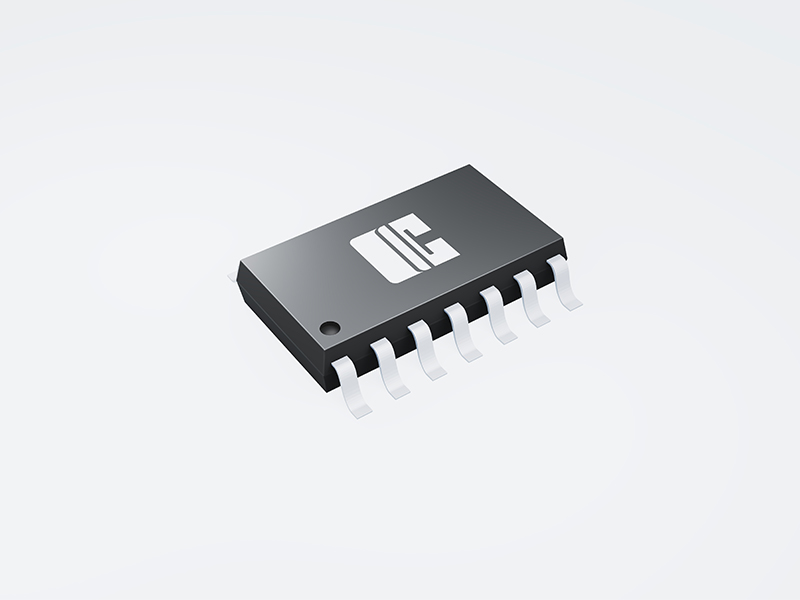
AiP74LV164는 저전압 Si 게이트 CMOS 소자이며, 핀 및 기능 면에서 다음과 호환됩니다. AiP74HC164 및 AiP74HCT164. AiP74LV164는 직렬 데이터 입력과 8개 스테이지 각각에서 출력을 제공하는 8비트 에지 트리거 시프트 레지스터입니다. 데이터는 두 개의 입력(DSA 또는 DSB) 중 하나를 통해 직렬로 입력되며, 두 입력 중 하나를 다른 입력을 통한 데이터 입력에 대한 활성 하이(HIGH) 인에이블 신호로 사용할 수 있습니다. 두 입력은 반드시 함께 연결되거나, 사용하지 않는 입력은 하이(HIGH)로 연결되어야 합니다. 데이터는 클록 입력(CP)이 LOW에서 HIGH로 전환될 때마다 오른쪽으로 한 자리씩 이동하여 Q0에 입력됩니다. Q0은 상승 클록 에지 직전의 설정 시간(setup time) 동안 존재했던 두 데이터 입력(DSA와 DSB)의 논리 AND 연산 결과입니다. 마스터 리셋 입력(MR)이 LOW이면 다른 모든 입력을 무시하고 레지스터를 비동기적으로 클리어하여 모든 출력을 LOW로 만듭니다.
세부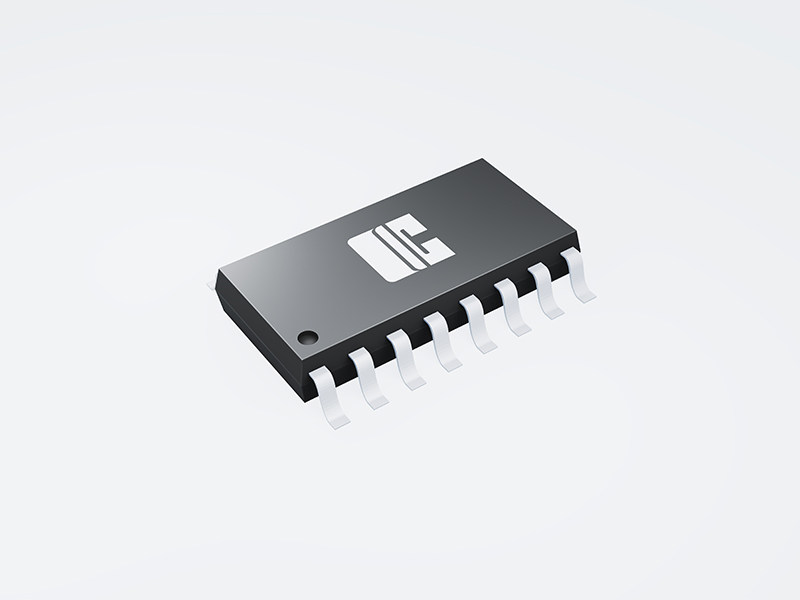
AiP74LV165는 8비트 병렬 로드 또는 직렬 입력 시프트 레지스터이며, 마지막 단계에서 보완적인 직렬 출력(Q7 및 Q7)을 사용할 수 있습니다. 모든 입력에 슈미트 트리거 동작이 적용되어 입력 상승 및 하강 시간이 느린 경우에도 회로가 안정적으로 작동합니다.
세부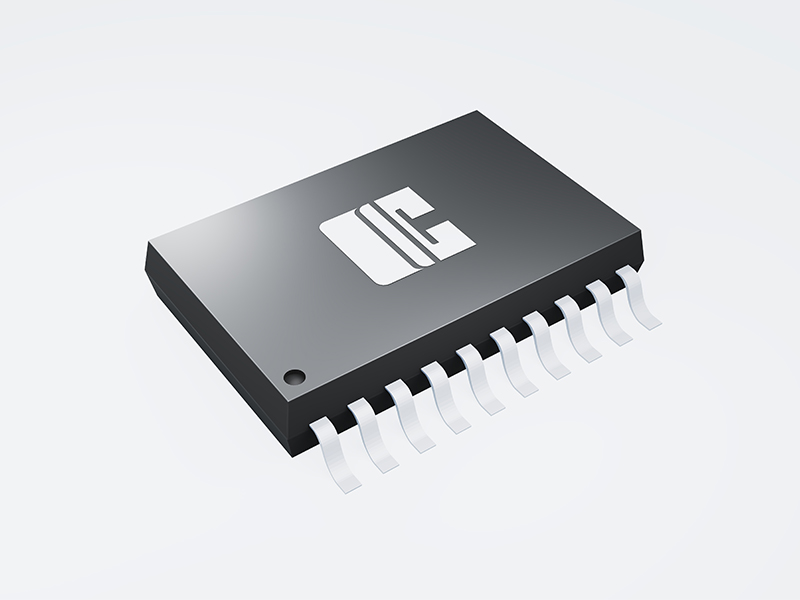
AiP74LVC240은 3상태 출력을 갖춘 8진수 비반전 버퍼/라인 드라이버입니다. 3상태 출력은 출력 활성화 입력 1OE에 의해 제어됩니다.(—) 그리고 2OE(—).노에 대한 높은 관심(—) 출력은 높은 임피던스의 OFF 상태가 됩니다. 입력은 3.3V 또는 5V 장치에서 구동할 수 있습니다. 3상 동작에서 출력은 5V를 처리할 수 있습니다. 이러한 기능 덕분에 이 장치는 3.3V와 5V가 혼합된 환경에서 전압 변환기로 사용할 수 있습니다.
세부
AiP74LVC244는 3상 출력을 갖는 8진수 비반전 버퍼/라인 드라이버입니다. 3상 출력은 출력 활성화 입력 1OE(—)와 2OE(—)에 의해 제어됩니다. nOE(—)에 HIGH가 인가되면 출력은 고임피던스 OFF 상태가 됩니다. 모든 입력에 슈미트 트리거 동작이 적용되어 입력 상승 및 하강 시간이 느린 경우에도 회로가 안정적으로 작동합니다.입력은 3.3V 또는 5.0V 장치에서 구동할 수 있습니다. 3상 동작에서 출력은 5V를 처리할 수 있습니다. 이러한 특징 덕분에 이 장치는 3.3V와 5V가 혼합된 환경에서 변환기로 사용할 수 있습니다.
세부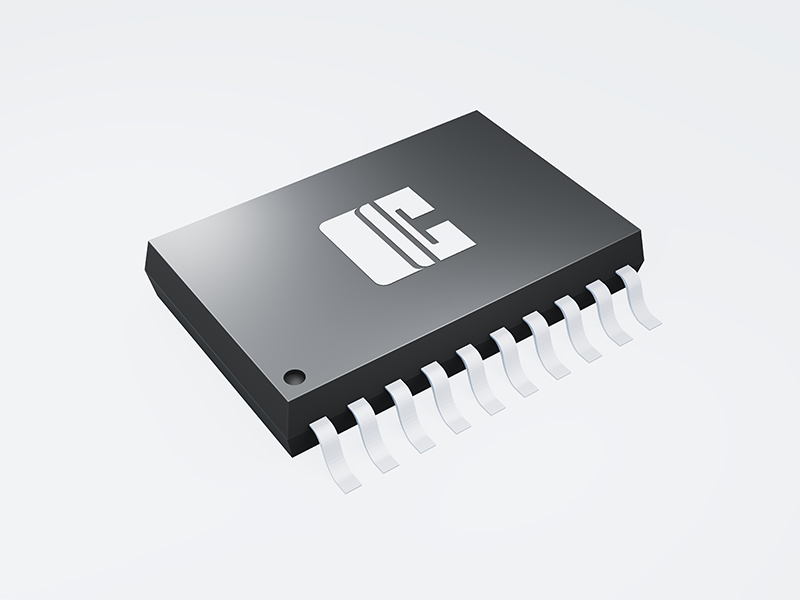
AiP74LV245는 3상 출력을 갖는 8비트 트랜시버입니다. 이 장치는 출력 활성화(OE—) 및 송수신(DIR) 신호를 통해 방향을 제어할 수 있습니다. OE— 신호가 HIGH이면 출력은 HIGH 상태가 됩니다.높은 임피던스의 OFF 상태.
세부
AiP74LVC245는 송수신 방향 모두에서 비반전 3상태 버스 호환 출력을 특징으로 하는 8비트 트랜시버입니다. 이 장치는 손쉬운 캐스케이딩을 위한 출력 활성화(OE(—)) 입력과 방향 제어를 위한 송수신(DIR) 입력을 갖추고 있습니다. OE(—) 입력은 출력을 제어하여 버스를 효과적으로 분리합니다.입력은 3.3V 또는 5V 장치에서 구동할 수 있습니다. 이 기능이 비활성화된 경우 출력에 최대 5.5V를 인가할 수 있습니다. 이러한 기능 덕분에 이 장치는 3.3V와 5V가 혼합된 환경에서 사용할 수 있습니다.
세부
AiP74LVCH245는 송수신 방향 모두에서 비반전 3상태 버스 호환 출력을 특징으로 하는 8비트 트랜시버입니다. AiP74LVCH245의 데이터 입력 버스 홀드 기능은 외부 풀업 저항 없이도 데이터 홀드를 유지할 수 있도록 해줍니다. 사용하지 않는 입력 단자. 입력은 3.3V 또는 5V 장치에서 구동할 수 있습니다. 이 기능이 비활성화된 경우 출력에 최대 5.5V를 인가할 수 있습니다. 이 기능을 통해 3.3V와 5V가 혼합된 환경에서 이 장치를 사용할 수 있습니다.
세부
AiP74LVC273은 개별 Dn 입력과 Qn 출력을 갖는 8개의 에지 트리거 방식의 D형 플립플롭으로 구성됩니다. 입력은 3.3V 또는 5V 전원으로 구동할 수 있어 3.3V와 5V가 혼합된 환경에서도 사용 가능합니다.
세부
AiP74LVC373은 각각 별도의 D형 입력 단자를 갖춘 8개의 D형 투명 래치로 구성됩니다. 버스 지향형 애플리케이션을 위한 래치 및 3상태 트루 출력 입력은 3.3V 또는 5V 장치에서 구동할 수 있습니다. 이 기능 덕분에 이 장치를 다양한 환경에서 사용할 수 있습니다. 3.3V와 5V가 혼합된 환경.
세부
AiP74LVC374는 각 플립플롭에 대해 별도의 D형 입력과 버스 지향형 애플리케이션에 적합한 3상 출력을 갖춘 8진수 D형 플립플롭입니다. 입력은 3.3V 또는 5V 장치에서 구동할 수 있으므로 3.3V와 5V가 혼합된 환경에서 사용할 수 있습니다.
세부
AiP74LVC377은 개별 입력(D)과 출력(Q)을 갖춘 8개의 에지 트리거 D형 플립플롭으로 구성되어 있습니다. 입력은 3.3V 또는 5V 전원으로 구동할 수 있어 3.3V와 5V가 혼합된 환경에서도 사용 가능합니다.
세부
AiP74LV541은 3상태 출력을 갖는 8비트 버퍼/라인 드라이버입니다. 이 장치는 두 개의 출력 활성화(OE-1 및 OE-2)를 제공합니다. OE-n에 HIGH 신호가 인가되면 해당 출력은 고임피던스 OFF 상태가 됩니다.
세부
AiP74LVC541은 5V 내성 입력 및 출력을 갖춘 8진수 비반전 버퍼/라인 드라이버입니다. 3상태 출력은 출력 활성화 입력 OE(—)1 및 OE(—)2에 의해 제어됩니다.이 장치는 IOFF를 사용하는 부분 전원 차단 애플리케이션에 맞게 완벽하게 설계되었습니다. IOFF 회로는 출력을 비활성화하여 전원이 차단될 때 장치를 통해 흐르는 유해한 역전류를 방지합니다.입력은 3.3V 또는 5V 장치에서 구동할 수 있습니다. 이 기능이 비활성화된 경우 출력에 최대 5.5V를 인가할 수 있습니다. 이러한 기능 덕분에 이 장치는 3.3V와 5V가 혼합된 환경에서 전압 변환기로 사용할 수 있습니다.
세부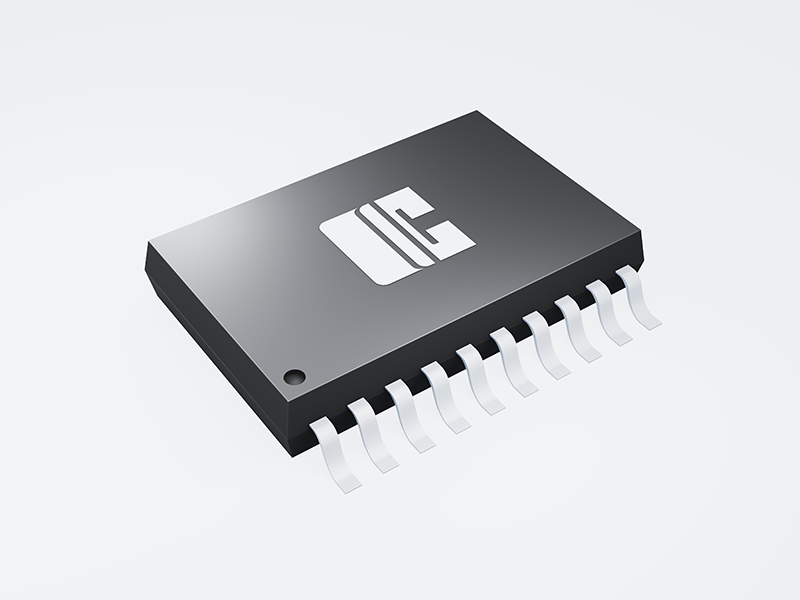
AiP74LVC573은 8개의 D형 투명 래치로 구성되어 있으며, 각 래치마다 별도의 D형 입력과 버스 지향 애플리케이션을 위한 3상태 트루 출력을 제공합니다. 래치 활성화(LE) 입력과 출력 활성화( ) 입력은 모든 내부 래치에 공통으로 사용됩니다.LE가 HIGH일 때, Dn 입력의 데이터가 래치로 들어갑니다. 이 상태에서 래치는 투명하게 동작하며, 즉 해당 D 입력이 변경될 때마다 래치 출력이 변경됩니다. LE가 LOW일 때, 래치는 LE가 HIGH에서 LOW로 전환되기 직전의 설정 시간 동안 D 입력에 있던 정보를 저장합니다.언제 LOW일 때, 8개 래치의 내용이 출력에서 사용 가능합니다. HIGH일 때 출력은 고임피던스 OFF 상태가 됩니다. 입력은 래치의 상태에 영향을 미치지 않습니다.입력은 3.3V 또는 5V 장치에서 구동할 수 있습니다. 이 기능이 비활성화된 경우 출력에 최대 5.5V를 인가할 수 있습니다. 이러한 기능 덕분에 이 장치는 3.3V 또는 5V가 혼합된 환경에서 전압 변환기로 사용할 수 있습니다.AiP74LVC573은 기능적으로 AiP74LVC373과 동일하지만 핀 배열이 다릅니다.
세부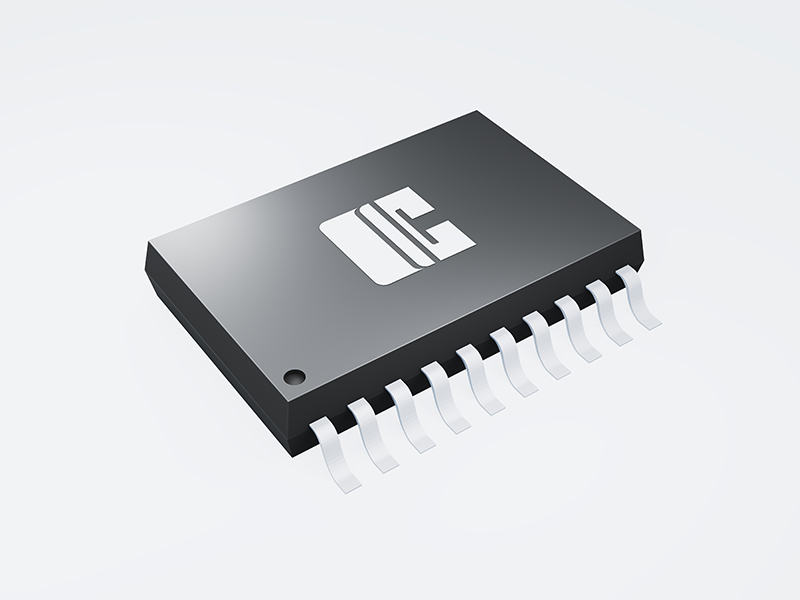
AiP74LVC574는 각 플립플롭에 대해 별도의 D형 입력과 버스 지향형 애플리케이션을 위한 3상태 출력을 갖춘 8진수 D형 플립플롭입니다.입력은 3.3V 또는 5V 장치에서 구동할 수 있습니다. 이 기능 덕분에 3.3V와 5V가 혼합된 환경에서도 이 장치를 사용할 수 있습니다.
세부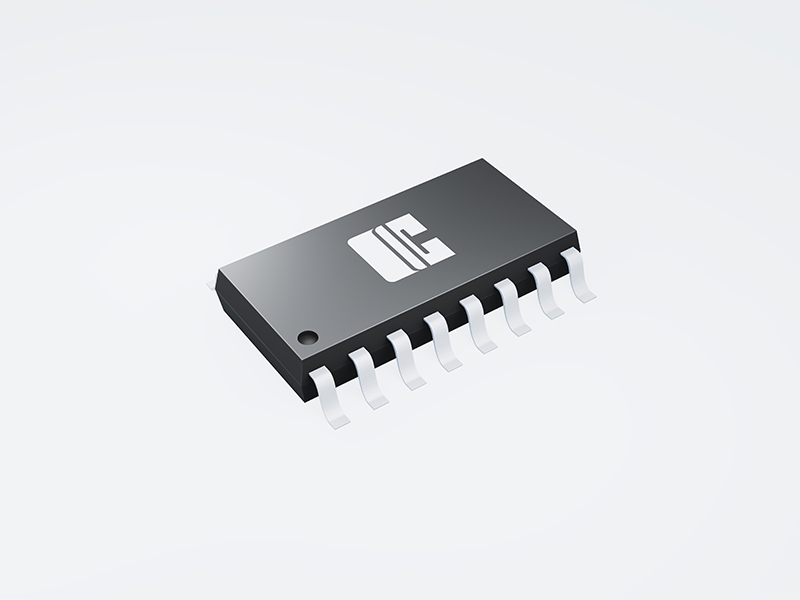
AiP74LV595는 저장 레지스터와 3상태 출력을 갖춘 8단 직렬 시프트 레지스터입니다. 시프트 레지스터와 저장 레지스터는 별도의 클록을 사용합니다. 저전압 Si 게이트 CMOS 소자이며 핀 번호는 다음과 같습니다. AiP74HC595 및 AiP74HCT595와 기능적으로 호환됩니다. SHCP 입력의 양의 방향으로의 전환 시 데이터가 이동됩니다. 시프트 레지스터의 데이터는 다음과 같습니다. STCP 입력의 상승 전환 시 저장 레지스터로 전송됩니다. 두 클록이 모두 서로 연결되면 시프트 레지스터는 항상 스토리지 레지스터보다 한 클록 펄스 앞서게 됩니다. 시프트 레지스터는 장치 연결을 위한 직렬 입력(DS)과 직렬 출력(Q7S)을 갖추고 있습니다. 또한 8개의 시프트 레지스터 단계 모두에 대해 비동기 리셋 입력 MR— (액티브 로우)이 제공됩니다. 저장 레지스터는 8개의 병렬 3상태 버스 드라이버 출력을 갖습니다. 출력 활성화 입력(OE—)이 로우일 때마다 저장 레지스터의 데이터가 출력에 나타납니다.
세부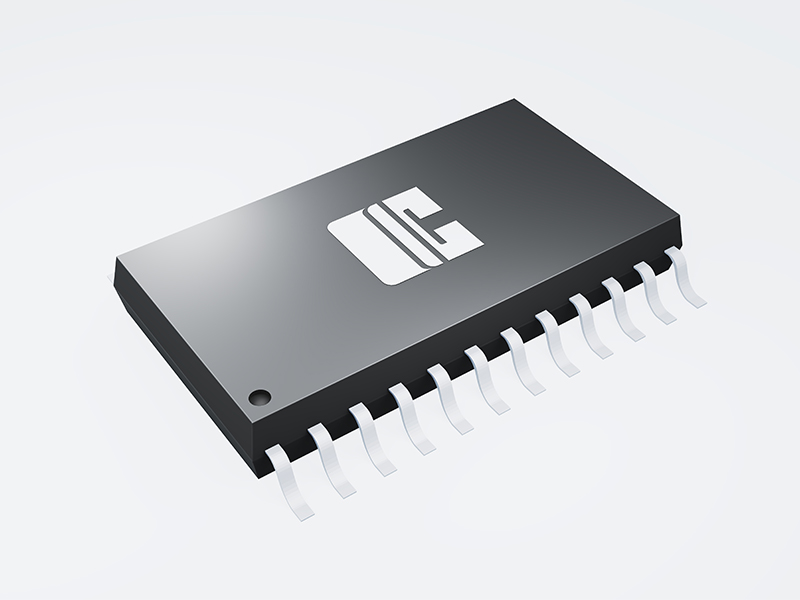
AiP74LVC4245는 8핀 이중 전원 공급 변환 트랜시버로, 송수신 방향 모두에서 비반전 3상 버스 호환 출력을 제공합니다. 이 제품은 3V와 5V가 혼합된 전원 환경에서 3V 버스와 5V 버스 간의 인터페이스에 사용하도록 설계되었습니다.이 장치는 손쉬운 캐스케이딩을 위한 출력 활성화 입력(핀)과 방향 제어를 위한 송수신 입력(핀 DIR)을 갖추고 있습니다. 핀은 출력을 제어하여 버스를 효과적으로 분리합니다.절전 모드에서 VCC(A)가 0일 때, 한 전원에서 다른 전원으로 전류가 흐르지 않습니다. A 출력은 3상태로 설정해야 하며, A 버스의 전압은 Vdiode(일반적으로 0.7V)보다 작아야 합니다.VCC(A)≥VCC(B) (단, 서스펜드 모드 제외).
세부
AiP74LVC/LVCH16244는 3상태 버스 호환 출력을 갖춘 16비트 비반전 버퍼/라인 드라이버입니다. 입력은 3.3V 또는 5V 장치에서 구동할 수 있습니다. 이 기능 덕분에 3.3V와 5V가 혼합된 환경에서도 이 장치를 사용할 수 있습니다.
세부
AiP74LVC/LVCH16244는 3상태 버스 호환 출력을 갖춘 16비트 비반전 버퍼/라인 드라이버입니다. 입력은 3.3V 또는 5V 장치에서 구동할 수 있습니다. 이 기능 덕분에 3.3V와 5V가 혼합된 환경에서도 이 장치를 사용할 수 있습니다.
세부
AiP74LVC/LVCH16245는 송수신 방향 모두에서 비반전 3상태 버스 호환 출력을 특징으로 하는 16비트 트랜시버입니다. 이 장치는 손쉬운 캐스케이딩을 위한 두 개의 출력 활성화(n) 입력과 방향 제어를 위한 두 개의 송수신(nDIR) 입력을 갖추고 있습니다. n은 출력을 제어하여 버스를 효과적으로 분리합니다. 이 장치는 8비트 트랜시버 두 개 또는 16비트 트랜시버 하나로 사용할 수 있습니다. 입력은 3.3V 또는 5V 전원에서 구동할 수 있습니다. 이 기능을 비활성화하면 출력에 최대 5.5V를 인가할 수 있습니다. 이러한 특징 덕분에 3.3V와 5V 전원이 혼합된 환경에서 이 장치를 사용할 수 있습니다.AiP74LVCH16245의 데이터 입력 버스 홀드 기능은 사용하지 않는 입력을 유지하기 위해 외부 풀업 저항이 필요 없도록 해줍니다.
세부
AiP74LVC/LVCH16245는 송수신 방향 모두에서 비반전 3상태 버스 호환 출력을 특징으로 하는 16비트 트랜시버입니다. 이 장치는 손쉬운 캐스케이딩을 위한 두 개의 출력 활성화(n) 입력과 방향 제어를 위한 두 개의 송수신(nDIR) 입력을 갖추고 있습니다. n은 출력을 제어하여 버스를 효과적으로 분리합니다. 이 장치는 8비트 트랜시버 두 개 또는 16비트 트랜시버 하나로 사용할 수 있습니다. 입력은 3.3V 또는 5V 전원에서 구동할 수 있습니다. 이 기능을 비활성화하면 출력에 최대 5.5V를 인가할 수 있습니다. 이러한 특징 덕분에 3.3V와 5V 전원이 혼합된 환경에서 이 장치를 사용할 수 있습니다.AiP74LVCH16245의 데이터 입력 버스 홀드 기능은 사용하지 않는 입력을 유지하기 위해 외부 풀업 저항이 필요 없도록 해줍니다.
세부
AiP74LVC/LVCH16373은 16비트 D형 투명 래치로, 각 래치에 대해 버스 홀드(AiP74LVCH16373에만 해당) 기능을 갖춘 별도의 D형 입력과 버스 지향 애플리케이션을 위한 3상 출력을 제공합니다. 각 8진수마다 하나의 래치 활성화(LE) 입력과 하나의 출력 활성화( ) 입력이 제공됩니다. 입력은 3.3V 또는 5V 전원에서 구동할 수 있습니다. 비활성화 시 출력에는 최대 5.5V까지 인가할 수 있습니다. 이러한 기능 덕분에 이 장치들을 3.3V와 5V가 혼합된 애플리케이션에 사용할 수 있습니다.이 장치는 3상태 트루 출력을 갖는 8개의 D형 투명 래치로 구성된 두 부분으로 이루어져 있습니다. LE가 HIGH일 때, Dn 입력의 데이터가 래치로 들어갑니다. 이 상태에서 래치는 투명하게 작동하며, 즉 해당 D 입력이 변경될 때마다 래치 출력이 변경됩니다. 래치는 LE의 HIGH-LOW 전환 직전의 설정 시간(tsu) 동안 D 입력에 존재했던 정보를 저장합니다. LOW일 때, 8개 래치의 내용이 출력에서 사용 가능합니다. HIGH일 때 출력은 고임피던스 OFF 상태가 됩니다. 입력은 래치의 상태에 영향을 미치지 않습니다. 데이터 입력에 대한 버스 홀드 기능은 사용하지 않는 입력을 유지하기 위한 외부 풀업 저항의 필요성을 없애줍니다.
세부
AiP74LVC/LVCH16373은 16비트 D형 투명 래치로, 각 래치에 대해 버스 홀드(AiP74LVCH16373에만 해당) 기능을 갖춘 별도의 D형 입력과 버스 지향 애플리케이션을 위한 3상 출력을 제공합니다. 각 8진수마다 하나의 래치 활성화(LE) 입력과 하나의 출력 활성화( ) 입력이 제공됩니다. 입력은 3.3V 또는 5V 전원에서 구동할 수 있습니다. 비활성화 시 출력에는 최대 5.5V까지 인가할 수 있습니다. 이러한 기능 덕분에 이 장치들을 3.3V와 5V가 혼합된 애플리케이션에 사용할 수 있습니다.이 장치는 3상태 트루 출력을 갖는 8개의 D형 투명 래치로 구성된 두 부분으로 이루어져 있습니다. LE가 HIGH일 때, Dn 입력의 데이터가 래치로 들어갑니다. 이 상태에서 래치는 투명하게 작동하며, 즉 해당 D 입력이 변경될 때마다 래치 출력이 변경됩니다. 래치는 LE의 HIGH-LOW 전환 직전의 설정 시간(tsu) 동안 D 입력에 존재했던 정보를 저장합니다. LOW일 때, 8개 래치의 내용이 출력에서 사용 가능합니다. HIGH일 때 출력은 고임피던스 OFF 상태가 됩니다. 입력은 래치의 상태에 영향을 미치지 않습니다. 데이터 입력에 대한 버스 홀드 기능은 사용하지 않는 입력을 유지하기 위한 외부 풀업 저항의 필요성을 없애줍니다.
세부
AiP74LVC/LVCH162373은 16비트 D형 투명 래치로, 각 래치마다 버스 홀드 기능(AiP74LVCH162373에만 해당)을 갖춘 별도의 D형 입력과 버스 지향형 애플리케이션을 위한 3상 출력을 제공합니다. 입력은 3.3V 또는 5V 전원에서 구동할 수 있어 3.3V와 5V가 혼합된 환경에서도 사용 가능합니다.
세부
AiP74LVC/LVCH162373은 16비트 D형 투명 래치로, 각 래치마다 버스 홀드 기능(AiP74LVCH162373에만 해당)을 갖춘 별도의 D형 입력과 버스 지향형 애플리케이션을 위한 3상 출력을 제공합니다. 입력은 3.3V 또는 5V 전원에서 구동할 수 있어 3.3V와 5V가 혼합된 환경에서도 사용 가능합니다.
세부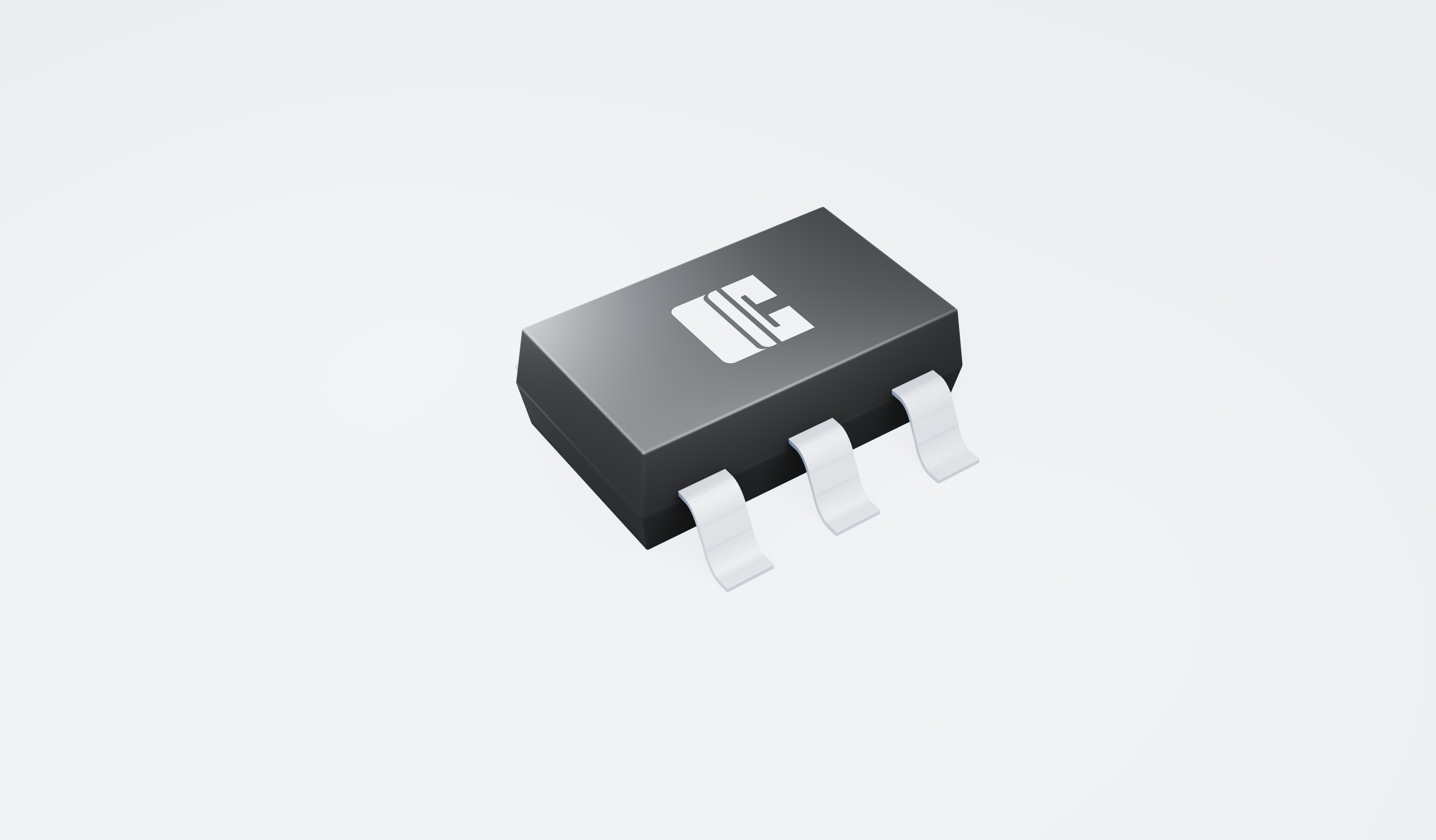
AiP74LVC1T45 및 AiP74LVCH1T45는 1비트, 2중 전원 공급 방식의 트랜시버로, 3상 출력을 통해 양방향 레벨 변환을 지원합니다. 이 소자는 두 개의 1비트 입출력 포트(A 및 B), 방향 제어 입력(DIR), 그리고 두 개의 전원 핀(VCC(A) 및 VCC(B))을 갖추고 있습니다. VCC(A)와 VCC(B)는 1.2V에서 5.5V 사이의 임의의 전압으로 공급될 수 있어, 1.2V, 1.5V, 1.8V, 2.5V, 3.3V 및 5.0V와 같은 저전압 노드 간 변환에 적합합니다. A 핀과 DIR 핀은 VCC(A)를 기준으로 하고, B 핀은 VCC(B)를 기준으로 합니다. DIR 핀이 HIGH이면 A에서 B로의 전송이 가능하고, DIR 핀이 LOW이면 B에서 A로의 전송이 가능합니다.이 장치는 IOFF를 사용하는 부분 전원 차단 애플리케이션에 대해 완벽하게 사양이 정의되어 있습니다. IOFF 회로는 출력을 비활성화하여 전원이 차단될 때 장치를 통해 손상될 수 있는 역류 전류를 방지합니다. 절전 모드에서 VCC(A) 또는 VCC(B) 중 하나라도 GND 레벨일 때 A 포트와 B 포트 모두 고임피던스 OFF 상태가 됩니다.AiP74LVCH1T45의 액티브 버스 홀드 회로는 사용되지 않거나 부동 상태인 데이터 입력을 유효한 논리 레벨로 유지합니다.
세부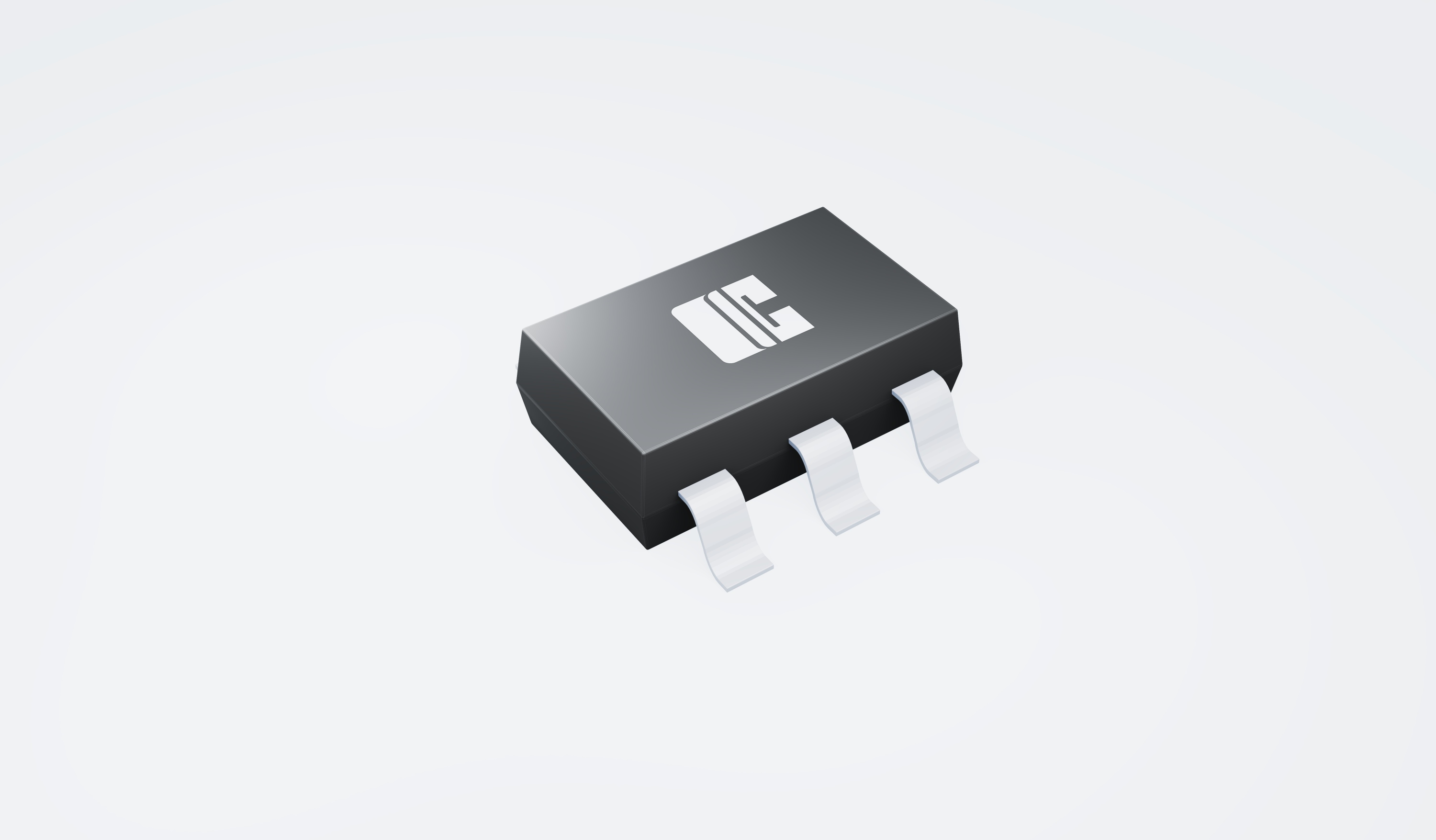
AiP74LVC1T45 및 AiP74LVCH1T45는 1비트, 2중 전원 공급 방식의 트랜시버로, 3상 출력을 통해 양방향 레벨 변환을 지원합니다. 이 소자는 두 개의 1비트 입출력 포트(A 및 B), 방향 제어 입력(DIR), 그리고 두 개의 전원 핀(VCC(A) 및 VCC(B))을 갖추고 있습니다. VCC(A)와 VCC(B)는 1.2V에서 5.5V 사이의 임의의 전압으로 공급될 수 있어, 1.2V, 1.5V, 1.8V, 2.5V, 3.3V 및 5.0V와 같은 저전압 노드 간 변환에 적합합니다. A 핀과 DIR 핀은 VCC(A)를 기준으로 하고, B 핀은 VCC(B)를 기준으로 합니다. DIR 핀이 HIGH이면 A에서 B로의 전송이 가능하고, DIR 핀이 LOW이면 B에서 A로의 전송이 가능합니다.이 장치는 IOFF를 사용하는 부분 전원 차단 애플리케이션에 대해 완벽하게 사양이 정의되어 있습니다. IOFF 회로는 출력을 비활성화하여 전원이 차단될 때 장치를 통해 손상될 수 있는 역류 전류를 방지합니다. 절전 모드에서 VCC(A) 또는 VCC(B) 중 하나라도 GND 레벨일 때 A 포트와 B 포트 모두 고임피던스 OFF 상태가 됩니다.AiP74LVCH1T45의 액티브 버스 홀드 회로는 사용되지 않거나 부동 상태인 데이터 입력을 유효한 논리 레벨로 유지합니다.
세부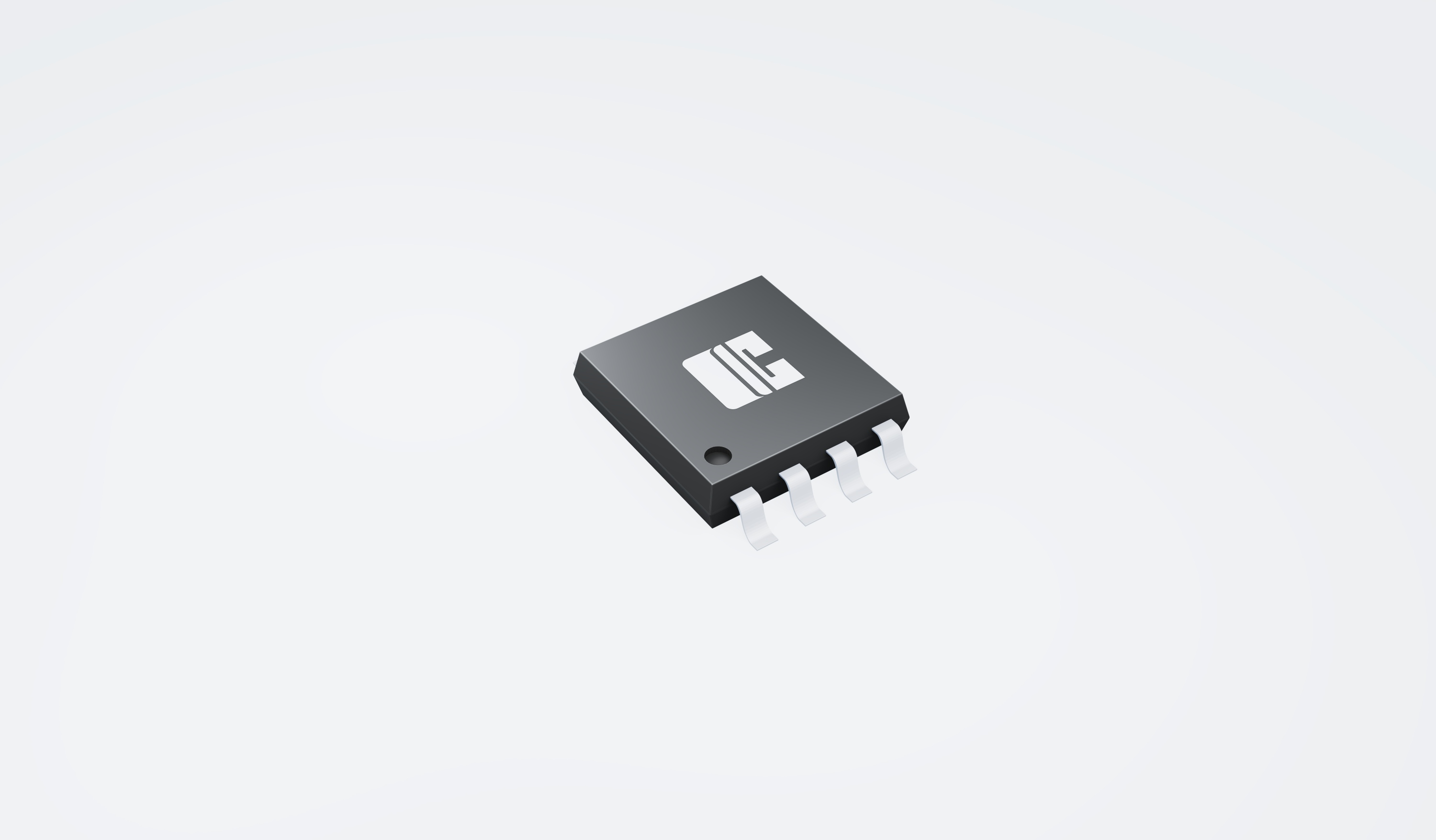
AiP74LVC2T45 및 AiP74LVCH2T45는 양방향 레벨 변환을 지원하는 3상 출력의 듀얼 비트, 듀얼 전원 공급 변환 트랜시버입니다. 이 장치는 두 개의 2비트 입출력 포트(nA 및 nB), 방향 제어 입력(DIR) 및 두 개의 전원 핀(VCC(A) 및 VCC(B))을 갖추고 있습니다. VCC(A)와 VCC(B)는 1.2V에서 5.5V 사이의 임의의 전압으로 공급될 수 있으므로 1.2V, 1.5V, 1.8V, 2.5V, 3.3V 및 5.0V와 같은 모든 저전압 노드 간 변환에 적합합니다. nA 및 DIR 핀은 VCC(A)를 기준으로 하고, nB 핀은 VCC(B)를 기준으로 합니다. DIR에 HIGH가 입력되면 nA에서 nB로 전송이 가능하고, DIR에 LOW가 입력되면 nB에서 nA로 전송이 가능합니다.이 장치는 IOFF를 사용하는 부분 전원 차단 애플리케이션에 대해 완벽하게 사양이 정의되어 있습니다. IOFF 회로는 출력을 비활성화하여 전원이 차단될 때 장치를 통해 손상될 수 있는 역류 전류를 방지합니다. 절전 모드에서 VCC(A) 또는 VCC(B) 중 하나라도 GND 레벨일 때 A 포트와 B 포트 모두 고임피던스 OFF 상태가 됩니다.AiP74LVCH2T45의 액티브 버스 홀드 회로는 사용되지 않거나 부동 상태인 데이터 입력을 유효한 논리 레벨로 유지합니다.
세부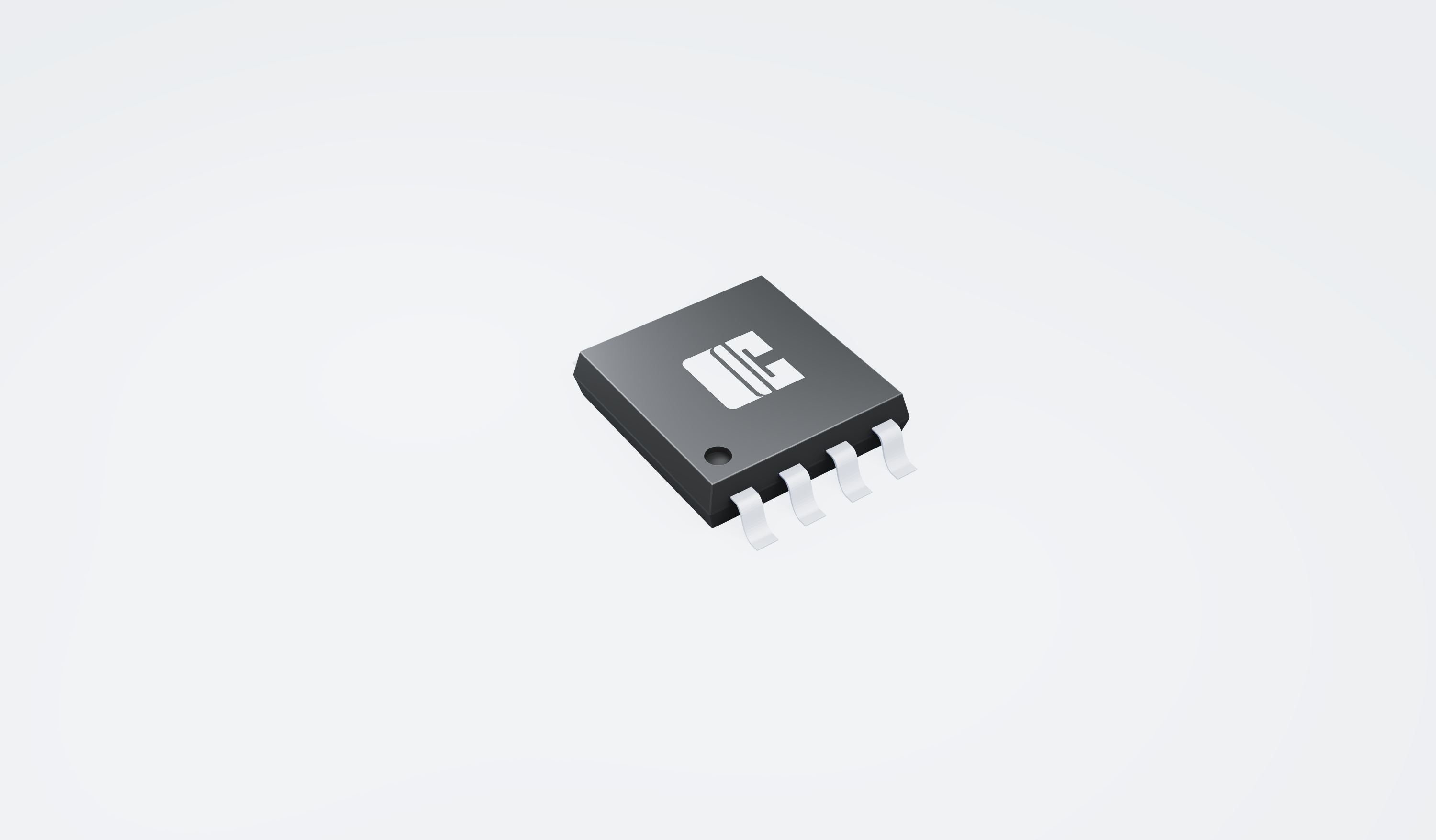
AiP74LVC2T45 및 AiP74LVCH2T45는 양방향 레벨 변환을 지원하는 3상 출력의 듀얼 비트, 듀얼 전원 공급 변환 트랜시버입니다. 이 장치는 두 개의 2비트 입출력 포트(nA 및 nB), 방향 제어 입력(DIR) 및 두 개의 전원 핀(VCC(A) 및 VCC(B))을 갖추고 있습니다. VCC(A)와 VCC(B)는 1.2V에서 5.5V 사이의 임의의 전압으로 공급될 수 있으므로 1.2V, 1.5V, 1.8V, 2.5V, 3.3V 및 5.0V와 같은 모든 저전압 노드 간 변환에 적합합니다. nA 및 DIR 핀은 VCC(A)를 기준으로 하고, nB 핀은 VCC(B)를 기준으로 합니다. DIR에 HIGH가 입력되면 nA에서 nB로 전송이 가능하고, DIR에 LOW가 입력되면 nB에서 nA로 전송이 가능합니다.이 장치는 IOFF를 사용하는 부분 전원 차단 애플리케이션에 대해 완벽하게 사양이 정의되어 있습니다. IOFF 회로는 출력을 비활성화하여 전원이 차단될 때 장치를 통해 손상될 수 있는 역류 전류를 방지합니다. 절전 모드에서 VCC(A) 또는 VCC(B) 중 하나라도 GND 레벨일 때 A 포트와 B 포트 모두 고임피던스 OFF 상태가 됩니다.AiP74LVCH2T45의 액티브 버스 홀드 회로는 사용되지 않거나 부동 상태인 데이터 입력을 유효한 논리 레벨로 유지합니다.
세부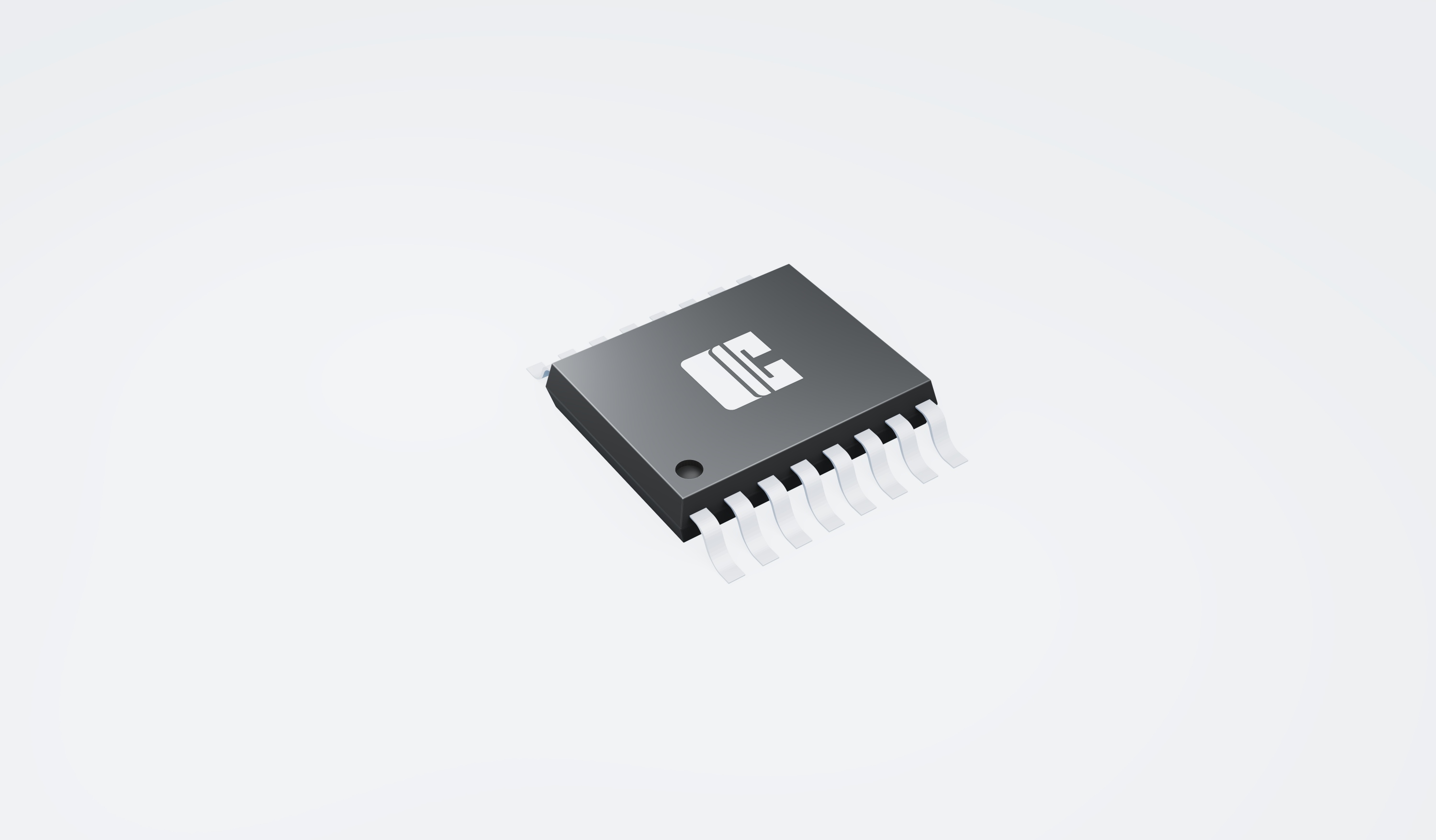
AiP74LVC2T45 및 AiP74LVCH2T45는 양방향 레벨 변환을 지원하는 3상 출력의 듀얼 비트, 듀얼 전원 공급 변환 트랜시버입니다. 이 장치는 두 개의 2비트 입출력 포트(nA 및 nB), 방향 제어 입력(DIR) 및 두 개의 전원 핀(VCC(A) 및 VCC(B))을 갖추고 있습니다. VCC(A)와 VCC(B)는 1.2V에서 5.5V 사이의 임의의 전압으로 공급될 수 있으므로 1.2V, 1.5V, 1.8V, 2.5V, 3.3V 및 5.0V와 같은 모든 저전압 노드 간 변환에 적합합니다. nA 및 DIR 핀은 VCC(A)를 기준으로 하고, nB 핀은 VCC(B)를 기준으로 합니다. DIR에 HIGH가 입력되면 nA에서 nB로 전송이 가능하고, DIR에 LOW가 입력되면 nB에서 nA로 전송이 가능합니다.이 장치는 IOFF를 사용하는 부분 전원 차단 애플리케이션에 대해 완벽하게 사양이 정의되어 있습니다. IOFF 회로는 출력을 비활성화하여 전원이 차단될 때 장치를 통해 손상될 수 있는 역류 전류를 방지합니다. 절전 모드에서 VCC(A) 또는 VCC(B) 중 하나라도 GND 레벨일 때 A 포트와 B 포트 모두 고임피던스 OFF 상태가 됩니다.AiP74LVCH2T45의 액티브 버스 홀드 회로는 사용되지 않거나 부동 상태인 데이터 입력을 유효한 논리 레벨로 유지합니다.
세부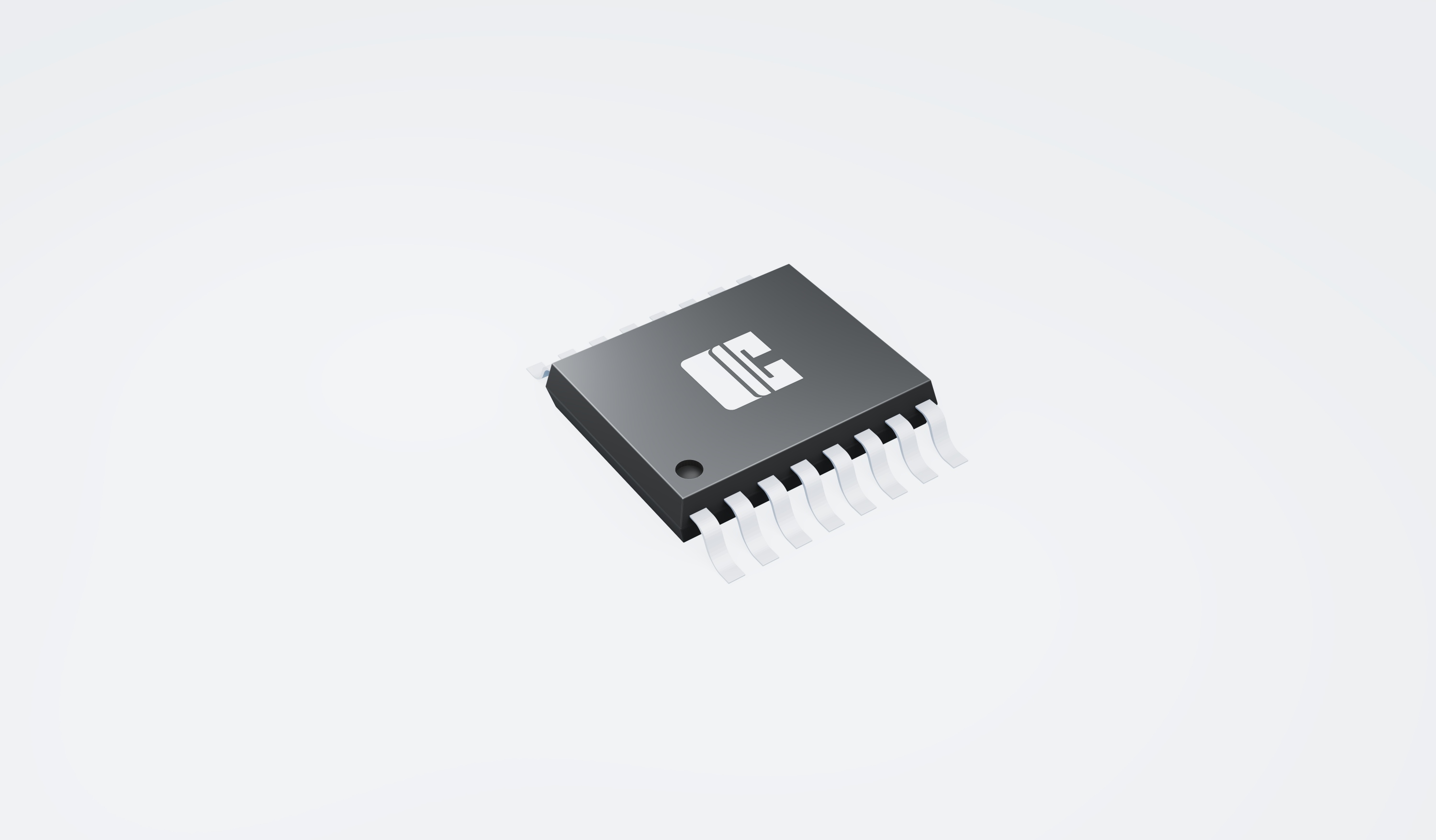
AiP74LVC/LVCH4T245는 양방향 레벨 변환을 지원하는 3상 출력을 갖춘 4비트 듀얼 전원 공급 변환 트랜시버입니다. 이 장치는 두 개의 2비트 트랜시버 또는 하나의 4비트 트랜시버로 사용할 수 있습니다. 4개의 2비트 입출력 포트(nAn 및 nBn), 방향 제어 입력(nDIR), 출력 활성화 입력(n) 및 듀얼 전원 핀(VCC(A) 및 VCC(B))을 제공합니다. VCC(A)와 VCC(B)는 1.2V에서 5.5V 사이의 임의의 전압으로 공급될 수 있어 1.2V, 1.5V, 1.8V, 2.5V, 3.3V 및 5.0V와 같은 저전압 노드 간 변환에 적합합니다. nAn, n 및 nDIR 핀은 VCC(A)를 기준으로 하고, nBn 핀은 VCC(B)를 기준으로 합니다. nDIR에 HIGH가 인가되면 nAn에서 nBn으로의 전송이 허용되고, nDIR에 LOW가 인가되면 nBn에서 nAn으로의 전송이 허용됩니다. 출력 활성화 입력(n)을 사용하여 출력을 비활성화할 수 있으므로 버스가 효과적으로 분리됩니다.이 장치는 IOFF를 사용하는 부분 전원 차단 애플리케이션에 대해 완벽하게 사양이 정의되어 있습니다. IOFF 회로는 출력을 비활성화하여 전원이 차단될 때 장치를 통해 유해한 역류 전류가 흐르는 것을 방지합니다. VCC(A) 또는 VCC(B) 중 하나가 GND 레벨일 때 절전 모드에서 nAn 포트와 nBn 포트 모두 고임피던스 OFF 상태가 됩니다. AiP74LVCH4T245의 액티브 버스 홀드 회로는 사용되지 않거나 부동 상태인 데이터 입력을 유효한 논리 레벨로 유지합니다.
세부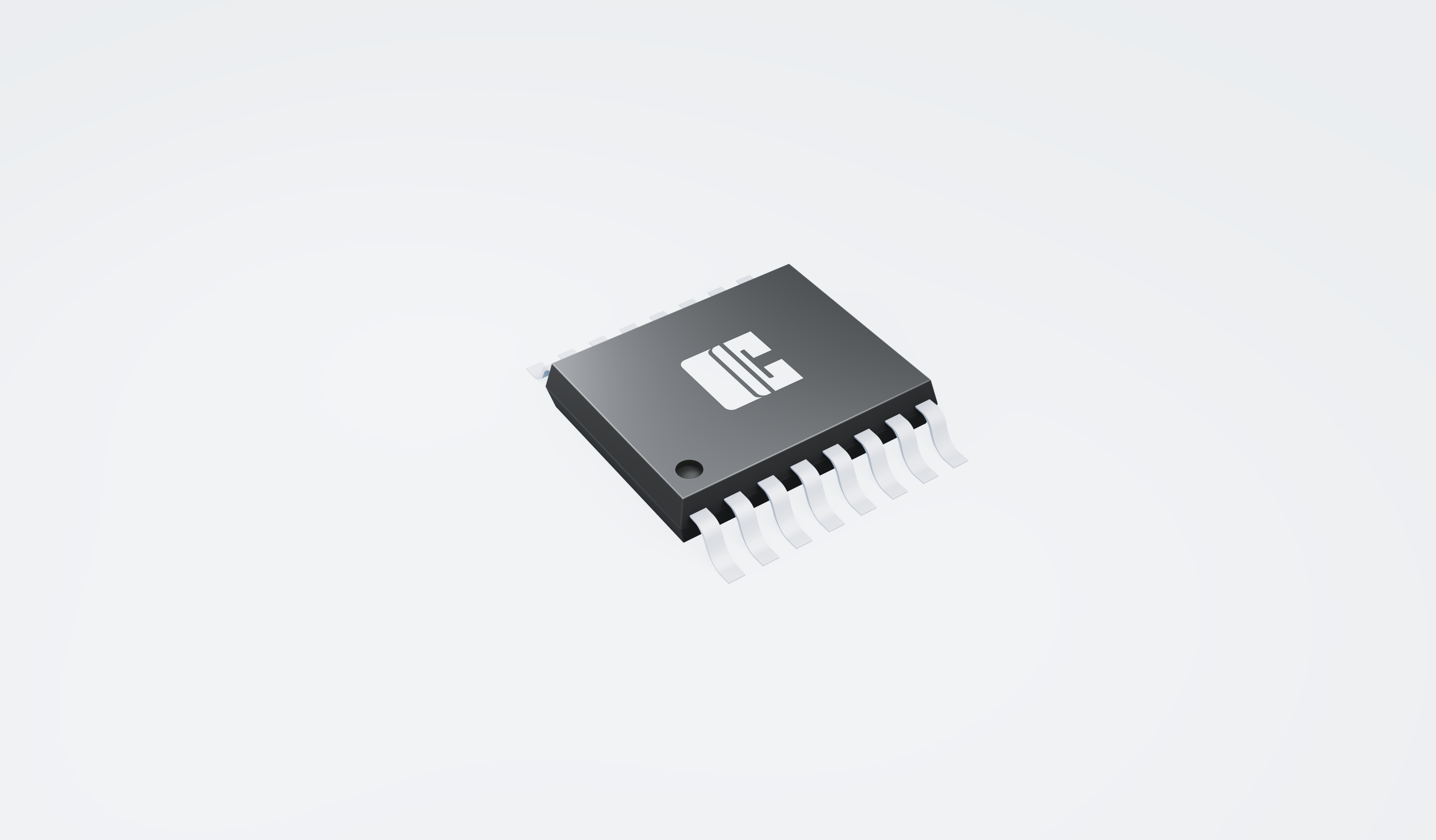
AiP74LVC/LVCH4T774는 양방향 레벨 변환을 지원하는 4비트, 듀얼 전원 공급 트랜시버입니다. 이 장치는 8개의 1비트 입출력 포트(An 및 Bn), 4개의 방향 제어 입력(DIR1, DIR2, DIR3 및 DIR4), 출력 활성화 입력( ) 및 듀얼 전원 핀(VCC(A) 및 VCC(B))을 갖추고 있습니다. VCC(A)와 VCC(B)는 모두 1.2V에서 5.5V 사이의 임의의 전압으로 공급될 수 있으므로, 이 장치는 모든 저전압 노드(1.2V, 1.5V, 1.8V, 2.5V, 3.3V, 5V) 간의 변환에 적합합니다. 핀 An, DIRn 핀은 VCC(A)를 기준으로 하고, Bn 핀은 VCC(B)를 기준으로 합니다. DIRn에 HIGH가 인가되면 An에서 Bn으로의 전송이 허용되고, DIRn에 LOW가 인가되면 Bn에서 An으로의 전송이 허용됩니다. 출력 활성화 입력( )을 사용하여 출력을 비활성화할 수 있으므로 버스를 효과적으로 분리할 수 있습니다.이 장치는 IOFF를 사용하는 부분 전원 차단 애플리케이션에 대해 완벽하게 사양이 정의되어 있습니다. IOFF 회로는 출력을 비활성화하여 전원이 차단될 때 장치를 통해 유해한 역류 전류가 흐르는 것을 방지합니다. 절전 모드에서 VCC(A) 또는 VCC(B) 중 하나가 GND 레벨일 때 An과 Bn 모두 고임피던스 OFF 상태가 됩니다.AiP74LVCH4T774의 액티브 버스 홀드 회로는 사용되지 않거나 부동 상태인 데이터 입력을 유효한 논리 레벨로 유지합니다.
세부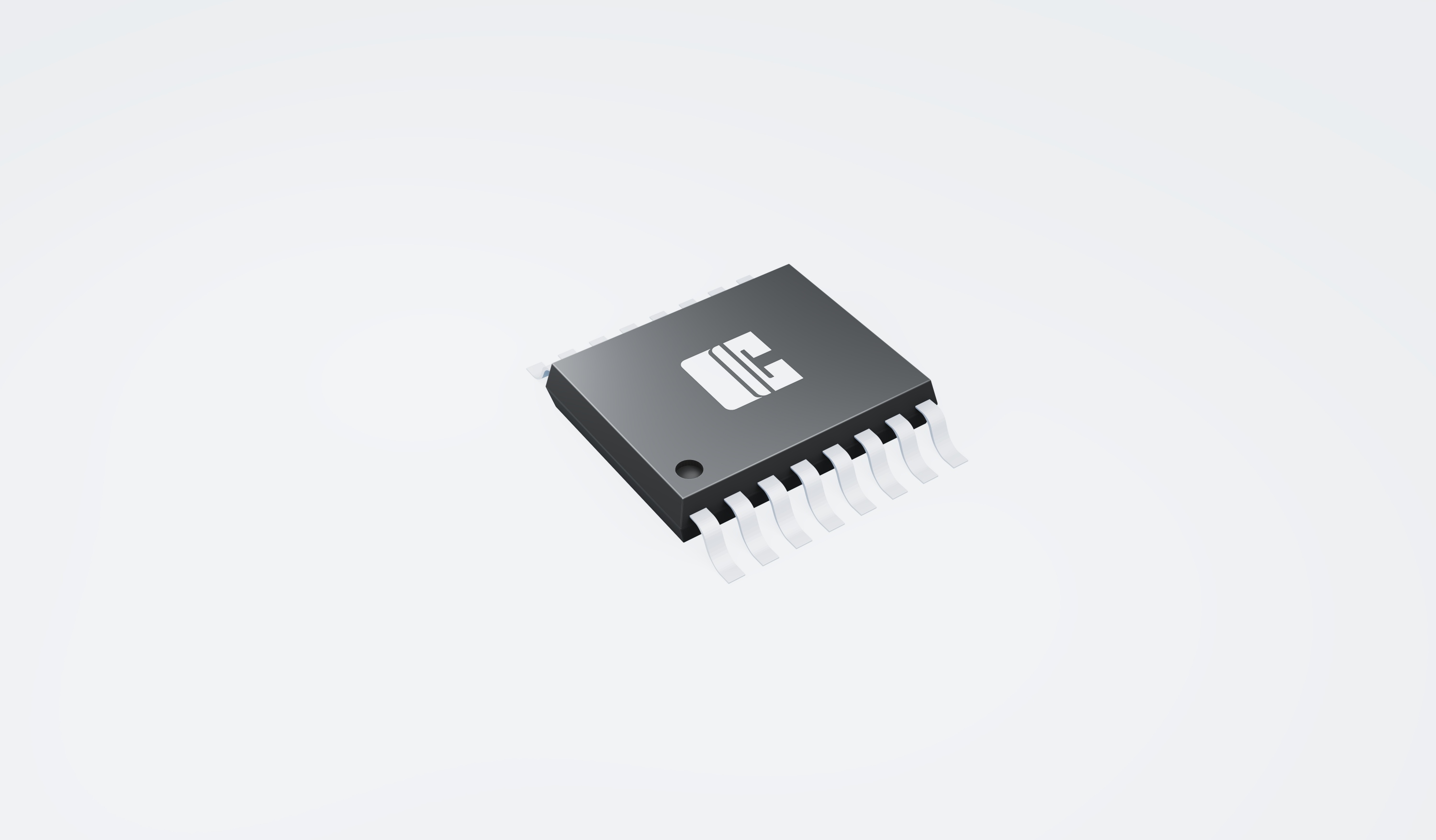
AiP74LVC/LVCH4T774는 양방향 레벨 변환을 지원하는 4비트, 듀얼 전원 공급 트랜시버입니다. 이 장치는 8개의 1비트 입출력 포트(An 및 Bn), 4개의 방향 제어 입력(DIR1, DIR2, DIR3 및 DIR4), 출력 활성화 입력( ) 및 듀얼 전원 핀(VCC(A) 및 VCC(B))을 갖추고 있습니다. VCC(A)와 VCC(B)는 모두 1.2V에서 5.5V 사이의 임의의 전압으로 공급될 수 있으므로, 이 장치는 모든 저전압 노드(1.2V, 1.5V, 1.8V, 2.5V, 3.3V, 5V) 간의 변환에 적합합니다. 핀 An, DIRn 핀은 VCC(A)를 기준으로 하고, Bn 핀은 VCC(B)를 기준으로 합니다. DIRn에 HIGH가 인가되면 An에서 Bn으로의 전송이 허용되고, DIRn에 LOW가 인가되면 Bn에서 An으로의 전송이 허용됩니다. 출력 활성화 입력( )을 사용하여 출력을 비활성화할 수 있으므로 버스를 효과적으로 분리할 수 있습니다.이 장치는 IOFF를 사용하는 부분 전원 차단 애플리케이션에 대해 완벽하게 사양이 정의되어 있습니다. IOFF 회로는 출력을 비활성화하여 전원이 차단될 때 장치를 통해 유해한 역류 전류가 흐르는 것을 방지합니다. 절전 모드에서 VCC(A) 또는 VCC(B) 중 하나가 GND 레벨일 때 An과 Bn 모두 고임피던스 OFF 상태가 됩니다.AiP74LVCH4T774의 액티브 버스 홀드 회로는 사용되지 않거나 부동 상태인 데이터 입력을 유효한 논리 레벨로 유지합니다.
세부
AiP74LVC/LVCH8T245는 양방향 레벨 변환을 지원하는 3상 출력을 갖춘 8비트 듀얼 전원 공급 변환 트랜시버입니다. 이 장치는 두 개의 데이터 입출력 포트(핀 An 및 Bn), 방향 제어 입력(DIR), 출력 활성화 입력( ) 및 듀얼 전원 핀(VCC(A) 및 VCC(B))을 특징으로 합니다. VCC(A)와 VCC(B)는 모두 1.2V에서 5.5V 사이의 임의의 전압으로 공급될 수 있으므로 이 장치는 모든 저전압 노드(1.2V, 1.5V, 1.8V, 2.5V, 3.3V 및 5.0V) 간의 변환에 적합합니다. 핀 An, DIR 핀은 VCC(A)를 기준으로 하고, Bn 핀은 VCC(B)를 기준으로 합니다. DIR 핀이 HIGH이면 An에서 Bn으로의 전송이 가능하고, DIR 핀이 LOW이면 Bn에서 An으로의 전송이 가능합니다. 출력 활성화 입력( )을 사용하여 출력을 비활성화할 수 있으므로 버스를 효과적으로 분리할 수 있습니다.이 장치는 IOFF를 사용하는 부분 전원 차단 애플리케이션에 대해 완벽하게 사양이 정의되어 있습니다. IOFF 회로는 출력을 비활성화하여 전원이 차단될 때 장치를 통해 손상될 수 있는 역류 전류를 방지합니다. 절전 모드에서 VCC(A) 또는 VCC(B) 중 하나라도 GND 레벨일 때 A 포트와 B 포트 모두 고임피던스 OFF 상태가 됩니다. AiP74LVCH8T245의 액티브 버스 홀드 회로는 사용되지 않거나 부동 상태인 데이터 입력을 유효한 논리 레벨로 유지합니다.
세부
AiP74LVC/LVCH8T245는 양방향 레벨 변환을 지원하는 3상 출력을 갖춘 8비트 듀얼 전원 공급 변환 트랜시버입니다. 이 장치는 두 개의 데이터 입출력 포트(핀 An 및 Bn), 방향 제어 입력(DIR), 출력 활성화 입력( ) 및 듀얼 전원 핀(VCC(A) 및 VCC(B))을 특징으로 합니다. VCC(A)와 VCC(B)는 모두 1.2V에서 5.5V 사이의 임의의 전압으로 공급될 수 있으므로 이 장치는 모든 저전압 노드(1.2V, 1.5V, 1.8V, 2.5V, 3.3V 및 5.0V) 간의 변환에 적합합니다. 핀 An, DIR 핀은 VCC(A)를 기준으로 하고, Bn 핀은 VCC(B)를 기준으로 합니다. DIR 핀이 HIGH이면 An에서 Bn으로의 전송이 가능하고, DIR 핀이 LOW이면 Bn에서 An으로의 전송이 가능합니다. 출력 활성화 입력( )을 사용하여 출력을 비활성화할 수 있으므로 버스를 효과적으로 분리할 수 있습니다.이 장치는 IOFF를 사용하는 부분 전원 차단 애플리케이션에 대해 완벽하게 사양이 정의되어 있습니다. IOFF 회로는 출력을 비활성화하여 전원이 차단될 때 장치를 통해 손상될 수 있는 역류 전류를 방지합니다. 절전 모드에서 VCC(A) 또는 VCC(B) 중 하나라도 GND 레벨일 때 A 포트와 B 포트 모두 고임피던스 OFF 상태가 됩니다. AiP74LVCH8T245의 액티브 버스 홀드 회로는 사용되지 않거나 부동 상태인 데이터 입력을 유효한 논리 레벨로 유지합니다.
세부
AiP74LVC/LVCH16T245는 양방향 레벨 변환을 지원하는 3상 출력을 갖춘 16비트 듀얼 전원 공급 변환 트랜시버입니다. 이 장치는 두 개의 8비트 트랜시버 또는 하나의 16비트 트랜시버로 사용할 수 있습니다. 전압 변환을 위한 듀얼 전원(VCC(A) 및 VCC(B))과 각각 출력 활성화(n) 및 송수신(nDIR) 입력이 있는 4개의 8비트 입출력 포트(nAn 및 nBn)를 통해 방향 제어가 가능합니다. VCC(A)와 VCC(B)는 1.2V에서 5.5V 사이의 임의의 전압으로 공급될 수 있으므로 1.2V, 1.5V, 1.8V, 2.5V, 3.3V 및 5.0V와 같은 저전압 노드 간 변환에 적합합니다. 핀 nAn, n 및 nDIR은 VCC(A)를 기준으로 하고, 핀 nBn은 VCC(B)를 기준으로 합니다. nDIR이 HIGH이면 nAn에서 nBn으로의 전송이 가능하고, nDIR이 LOW이면 nBn에서 nAn으로의 전송이 가능합니다. 출력 활성화 입력(n)을 사용하여 출력을 비활성화할 수 있으므로 버스를 효과적으로 분리할 수 있습니다.이 장치는 IOFF를 사용하는 부분 전원 차단 애플리케이션에 대해 완벽하게 사양이 정의되어 있습니다. IOFF 회로는 출력을 비활성화하여 전원이 차단될 때 장치를 통해 유해한 역류 전류가 흐르는 것을 방지합니다. VCC(A) 또는 VCC(B) 중 하나가 GND 레벨일 때 절전 모드에서 nAn 포트와 nBn 포트 모두 고임피던스 OFF 상태가 됩니다. AiP74LVCH16T245의 액티브 버스 홀드 회로는 사용되지 않거나 부동 상태인 데이터 입력을 유효한 논리 레벨로 유지합니다.
세부
AiP74LVC/LVCH16T245는 양방향 레벨 변환을 지원하는 3상 출력을 갖춘 16비트 듀얼 전원 공급 변환 트랜시버입니다. 이 장치는 두 개의 8비트 트랜시버 또는 하나의 16비트 트랜시버로 사용할 수 있습니다. 전압 변환을 위한 듀얼 전원(VCC(A) 및 VCC(B))과 각각 출력 활성화(n) 및 송수신(nDIR) 입력이 있는 4개의 8비트 입출력 포트(nAn 및 nBn)를 통해 방향 제어가 가능합니다. VCC(A)와 VCC(B)는 1.2V에서 5.5V 사이의 임의의 전압으로 공급될 수 있으므로 1.2V, 1.5V, 1.8V, 2.5V, 3.3V 및 5.0V와 같은 저전압 노드 간 변환에 적합합니다. 핀 nAn, n 및 nDIR은 VCC(A)를 기준으로 하고, 핀 nBn은 VCC(B)를 기준으로 합니다. nDIR이 HIGH이면 nAn에서 nBn으로의 전송이 가능하고, nDIR이 LOW이면 nBn에서 nAn으로의 전송이 가능합니다. 출력 활성화 입력(n)을 사용하여 출력을 비활성화할 수 있으므로 버스를 효과적으로 분리할 수 있습니다.이 장치는 IOFF를 사용하는 부분 전원 차단 애플리케이션에 대해 완벽하게 사양이 정의되어 있습니다. IOFF 회로는 출력을 비활성화하여 전원이 차단될 때 장치를 통해 유해한 역류 전류가 흐르는 것을 방지합니다. VCC(A) 또는 VCC(B) 중 하나가 GND 레벨일 때 절전 모드에서 nAn 포트와 nBn 포트 모두 고임피던스 OFF 상태가 됩니다. AiP74LVCH16T245의 액티브 버스 홀드 회로는 사용되지 않거나 부동 상태인 데이터 입력을 유효한 논리 레벨로 유지합니다.
세부
AiP74ALVC164245는 고성능, 저전력, 저전압 Si 게이트 CMOS 소자로, 가장 최첨단 CMOS 호환 TTL 제품군보다 우수합니다.AiP74ALVC164245는 16비트(듀얼 옥탈) 듀얼 전원 변환 트랜시버로, 송수신 방향 모두에서 비반전 3상태 버스 호환 출력을 제공합니다. 이 제품은 3V와 5V가 혼합된 전원 환경에서 3V 버스와 5V 버스 간의 인터페이스에 사용하도록 설계되었습니다.이 장치는 8비트 송수신기 두 개 또는 16비트 송수신기 하나로 사용할 수 있습니다.방향 제어 입력(1DIR 및 2DIR)은 데이터 흐름 방향을 결정합니다. nDIR(액티브 HIGH)은 nAn 포트에서 nBn 포트로의 데이터 전송을 활성화합니다. nDIR(액티브 LOW)은 nBn 포트에서 nAn 포트로의 데이터 전송을 활성화합니다. 출력 활성화 입력(1 및 2)이 HIGH일 때, nAn 및 nBn 포트는 모두 고임피던스 OFF 상태로 만들어 비활성화됩니다. nAn, n 및 nDIR 핀은 VCC(A)를 기준으로 하고, nBn 핀은 VCC(B)를 기준으로 합니다.절전 모드에서 공급 전압 중 하나가 0V일 경우, 0V가 아닌 공급 전압에서 0V인 공급 전압으로 전류가 흐르지 않습니다. nAn 출력은 3상태로 설정해야 하며, A 버스의 전압은 Vdiode(일반적으로 0.7V)보다 작아야 합니다. VCC(B)≥VCC(A) (절전 모드 제외).
세부
AiP74ALVC/ALVCH162374는 3상태 출력을 갖는 16비트 에지 트리거 D형 플립플롭입니다.입력은 3.3V 또는 5V 장치에서 구동할 수 있습니다. 이 기능 덕분에 3.3V와 5V가 혼합된 환경에서도 이 장치를 사용할 수 있습니다.
세부
AiP74ALVC/ALVCH162374는 3상태 출력을 갖는 16비트 에지 트리거 D형 플립플롭입니다.입력은 3.3V 또는 5V 장치에서 구동할 수 있습니다. 이 기능 덕분에 3.3V와 5V가 혼합된 환경에서도 이 장치를 사용할 수 있습니다.
세부
AiP74LVT244/LVTH244는 버스 라인 구동에 이상적인 8진 버퍼입니다. 이 장치는 두 개의 출력 활성화(1, 2)를 가지고 있으며, 각각 3상태 출력의 4개를 제어합니다.
세부
AiP74LVT244/LVTH244는 버스 라인 구동에 이상적인 8진 버퍼입니다. 이 장치는 두 개의 출력 활성화(1, 2)를 가지고 있으며, 각각 3상태 출력의 4개를 제어합니다.
세부
AiP74LVT245 및 AiP74LVTH245는 송수신 방향 모두에서 비반전 3상태 버스 호환 출력을 특징으로 하는 8핀 트랜시버입니다. 제어 기능 구현은 외부 타이밍 요구 사항을 최소화합니다. 손쉬운 캐스케이딩을 위한 출력 활성화( ) 입력과 방향 제어를 위한 방향(DIR) 입력이 있습니다.
세부
이 장치는 버스 라인 구동에 이상적인 8진수 버퍼입니다. 이 장치는 두 개의 출력 활성화 기능을 갖추고 있습니다. (1, 2) 각각 3상태 출력의 4개를 제어합니다.AiP74LVT2244는 출력의 HIGH 및 LOW 상태 모두에 직렬 저항이 포함되도록 설계되었습니다. 이러한 설계는 메모리 주소 드라이버, 클록 드라이버 및 버스 수신기/송신기와 같은 응용 분야에서 라인 노이즈를 줄여줍니다.
세부
이 장치는 송수신 방향 모두에서 비반전 3상태 버스 호환 출력을 특징으로 하는 8진수 트랜시버입니다. 제어 기능 구현은 외부 타이밍 요구 사항을 최소화합니다. 이 장치는 손쉬운 캐스케이딩을 위한 출력 활성화 입력( )과 방향 제어를 위한 방향 입력(DIR)을 갖추고 있습니다.AiP74LVT/LVTH2245는 출력의 HIGH 상태와 LOW 상태 모두에 직렬 저항이 있도록 설계되었습니다. 이러한 설계는 메모리 주소 드라이버, 클록 드라이버, 버스 송수신기 및 송신기와 같은 응용 분야에서 라인 노이즈를 줄여줍니다.
세부
AiP74LVT16244 및 AiP74LVTH16244는 비반전 3상태 버스 출력을 갖춘 16비트 버퍼 및 라인 드라이버입니다. 이 장치는 4개의 4비트 버퍼, 2개의 8비트 버퍼 또는 1개의 16비트 버퍼로 사용할 수 있습니다.
세부
AiP74LVT16244 및 AiP74LVTH16244는 비반전 3상태 버스 출력을 갖춘 16비트 버퍼 및 라인 드라이버입니다. 이 장치는 4개의 4비트 버퍼, 2개의 8비트 버퍼 또는 1개의 16비트 버퍼로 사용할 수 있습니다.
세부
AiP74LVT16245 및 AiP74LVTH16245는 3.3V VCC 작동을 위해 설계된 고성능 BiCMOS 제품입니다.이 장치는 송수신 방향 모두에서 비반전 3상태 버스 호환 출력을 특징으로 하는 16비트 트랜시버입니다. 제어 기능 구현은 외부 타이밍 요구 사항을 최소화합니다. 이 장치는 손쉬운 캐스케이딩을 위한 출력 활성화 입력(n)과 방향 제어를 위한 방향 입력(nDIR)을 갖추고 있습니다.
세부
AiP74LVT16245 및 AiP74LVTH16245는 3.3V VCC 작동을 위해 설계된 고성능 BiCMOS 제품입니다.이 장치는 송수신 방향 모두에서 비반전 3상태 버스 호환 출력을 특징으로 하는 16비트 트랜시버입니다. 제어 기능 구현은 외부 타이밍 요구 사항을 최소화합니다. 이 장치는 손쉬운 캐스케이딩을 위한 출력 활성화 입력(n)과 방향 제어를 위한 방향 입력(nDIR)을 갖추고 있습니다.
세부
AiP74LVT16373은 3.3V VCC 작동을 위해 설계된 고성능 BiCMOS 제품입니다.이 장치는 비반전 3상태 버스 호환 출력을 갖춘 16비트 투명 D형 래치입니다. 이 장치는 두 개의 8비트 래치 또는 하나의 16비트 래치로 사용할 수 있습니다. 래치 활성화(LE) 입력이 HIGH일 때, Q 출력은 데이터(D) 입력을 따릅니다. 래치 활성화가 LOW일 때, Q 출력은 HIGH에서 LOW로 전환되기 전의 설정 시간만큼 D 입력 레벨로 래치됩니다.
세부
AiP74LVT16374 및 AiP74LVTH16374는 3.3V VCC 작동을 위해 설계된 고성능 BiCMOS 제품입니다.이 장치는 비반전 3상태 출력을 갖는 16비트 에지 트리거 D형 플립플롭입니다. 이 장치는 두 개의 8비트 플립플롭 또는 하나의 16비트 플립플롭으로 사용할 수 있습니다. 클록의 상승 전환(nCP) 시, 플립플롭의 nQn 출력은 nDn 입력에 설정된 논리 레벨을 갖습니다.
세부
AiP74LVT16374 및 AiP74LVTH16374는 3.3V VCC 작동을 위해 설계된 고성능 BiCMOS 제품입니다.이 장치는 비반전 3상태 출력을 갖는 16비트 에지 트리거 D형 플립플롭입니다. 이 장치는 두 개의 8비트 플립플롭 또는 하나의 16비트 플립플롭으로 사용할 수 있습니다. 클록의 상승 전환(nCP) 시, 플립플롭의 nQn 출력은 nDn 입력에 설정된 논리 레벨을 갖습니다.
세부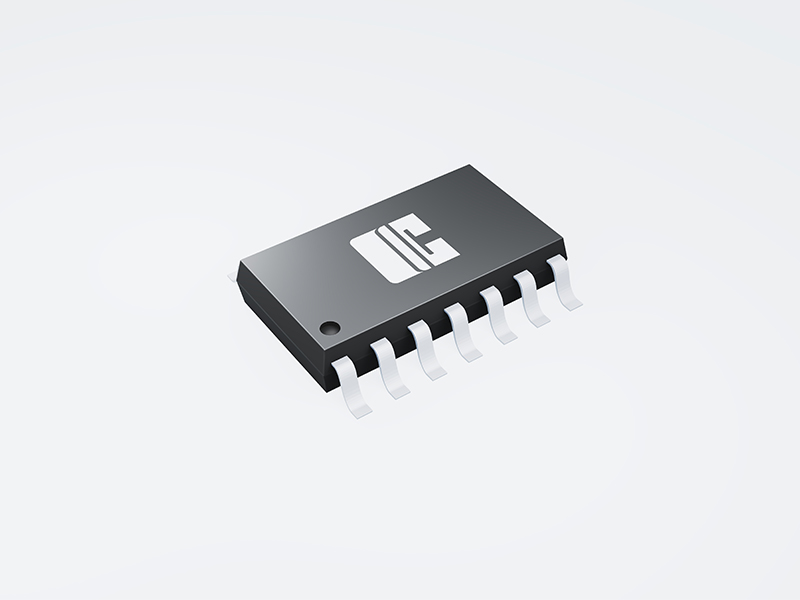
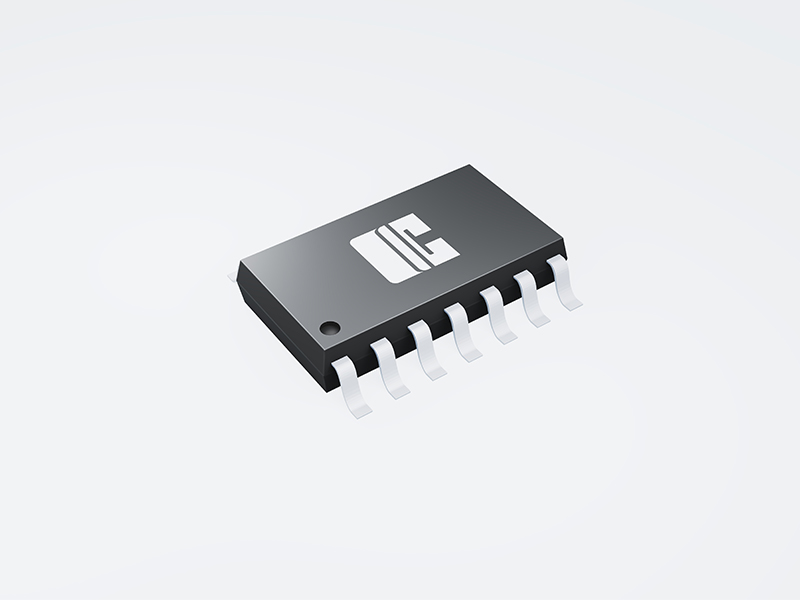
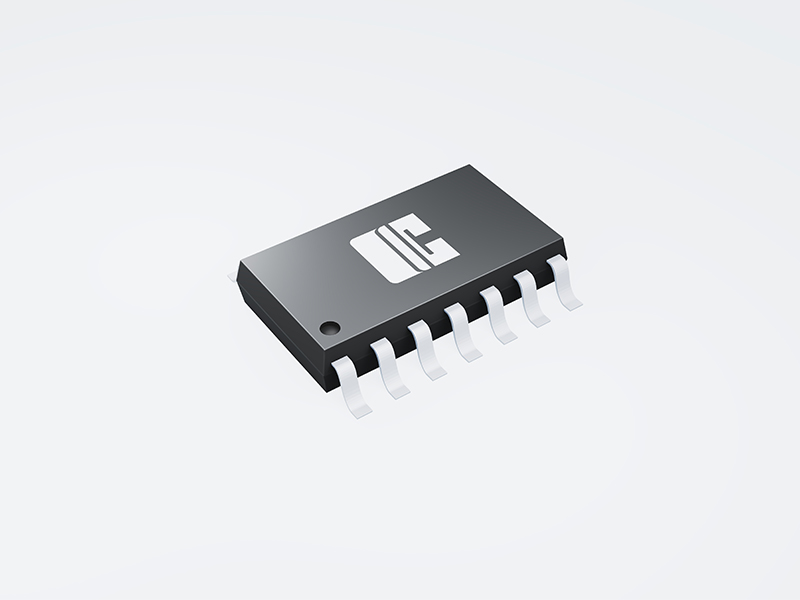
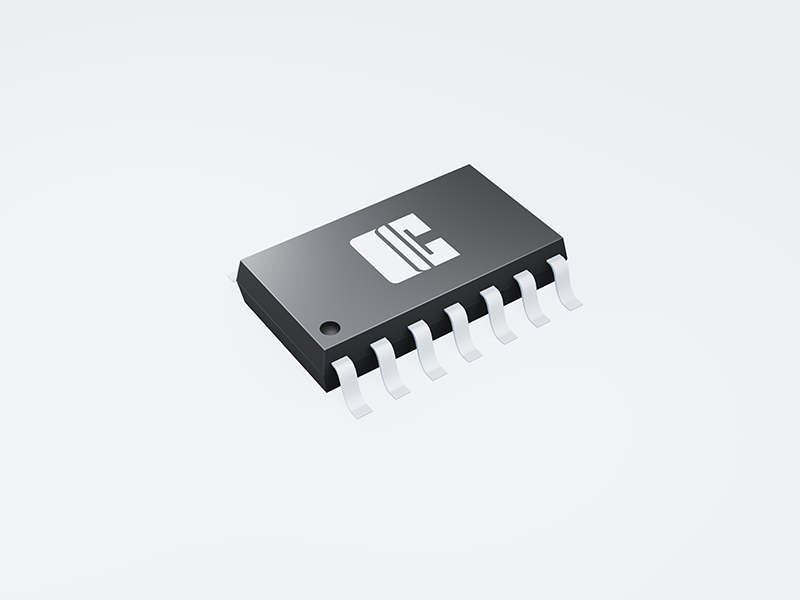
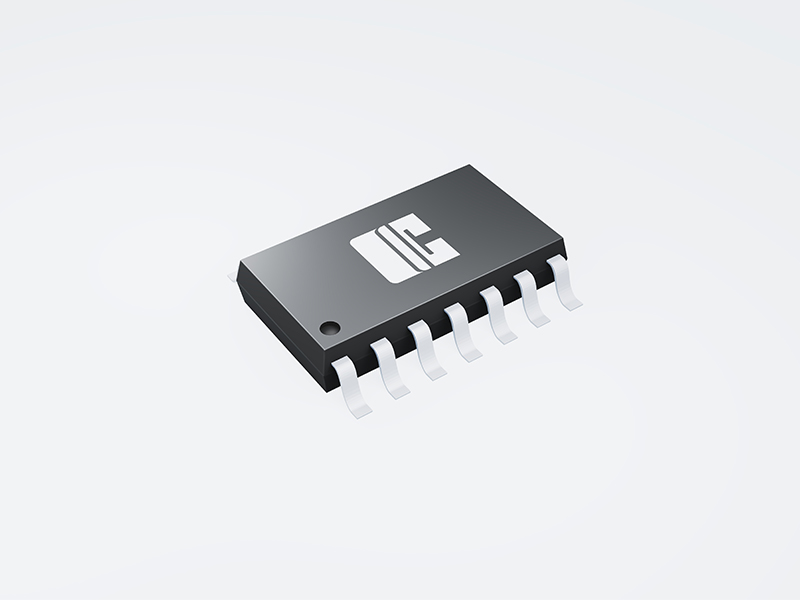
AiP74ACT74는 개별 데이터(nD) 입력과 클록(nCP) 입력을 갖춘 이중 에지 트리거 방식의 D형 플립플롭입니다. 입력, 설정(nS-D) 및 (nR-D) 입력, 그리고 보완적인 nQ 및 nQ-출력이 있습니다. 설정 입력과 나머지 입력은 비동기식 액티브 로우 입력이며 클록 입력과 독립적으로 동작합니다. 데이터 입력의 정보는 클록의 로우-하이 전환 시 nQ 출력으로 전달됩니다. 펄스. 예측 가능한 동작을 위해서는 nD 입력이 LOW에서 HIGH로의 클록 전환 전 설정 시간 동안 안정적이어야 합니다.
세부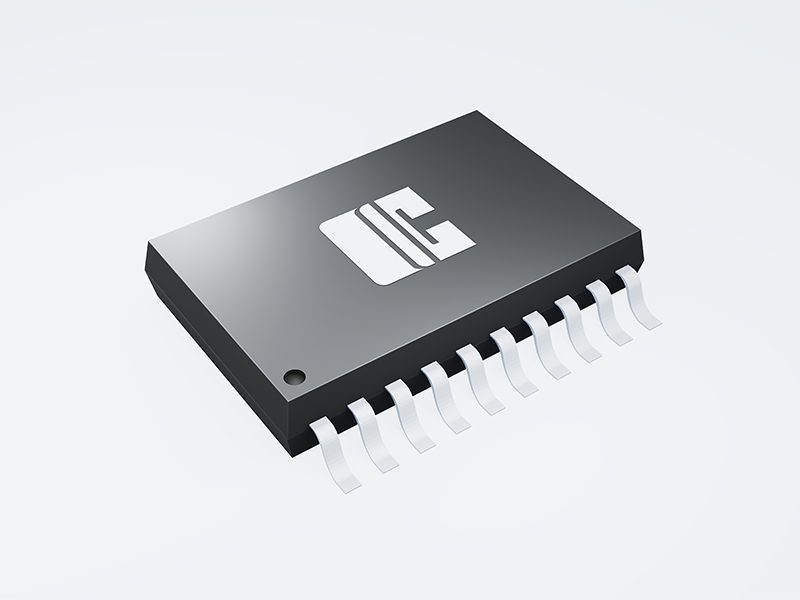
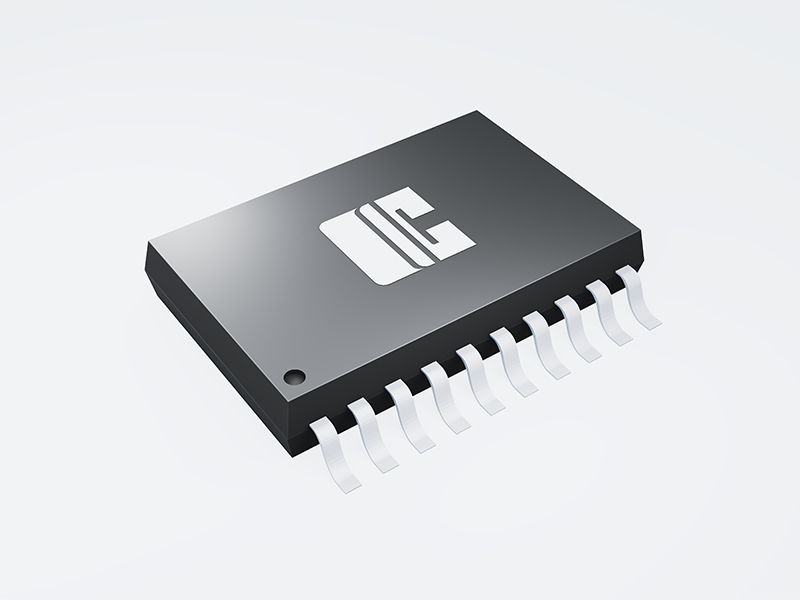
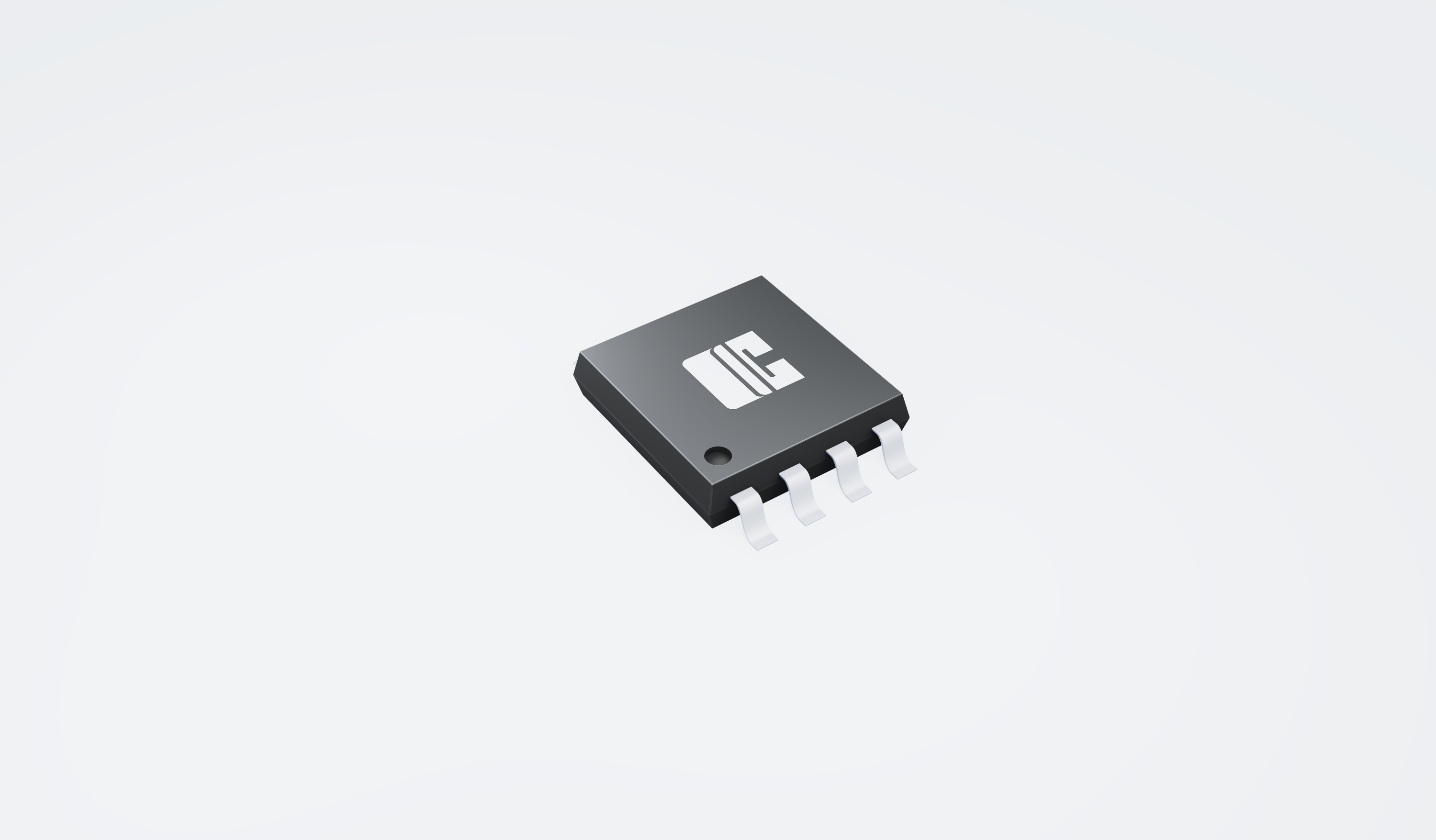
AiP74AVC2T45는 양방향 레벨 변환을 지원하는 듀얼 비트, 듀얼 전원 공급 트랜시버입니다. 이 장치는 두 개의 데이터 입출력 포트(nA 및 nB), 방향 제어 입력(DIR) 및 듀얼 전원 핀(VCC(A) 및 VCC(B))을 갖추고 있습니다. VCC(A)와 VCC(B)는 모두 0.8V에서 3.6V 사이의 임의의 전압으로 공급될 수 있으므로, 이 장치는 모든 저전압 노드(0.8V, 1.2V, 1.5V, 1.8V, 2.5V 및 3.3V) 간의 변환에 적합합니다. nA 및 DIR 핀은 VCC(A)를 기준으로 하고, nB 핀은 VCC(B)를 기준으로 합니다. DIR에 HIGH가 입력되면 nA에서 nB로의 전송이 가능하고, DIR에 LOW가 입력되면 nB에서 nA로의 전송이 가능합니다.이 장치는 IOFF를 사용하는 부분 전원 차단 애플리케이션에 대해 완벽하게 사양이 정의되어 있습니다. IOFF 회로는 출력을 비활성화하여 전원이 차단될 때 장치를 통해 유해한 역전류가 흐르는 것을 방지합니다. 절전 모드에서 VCC(A) 또는 VCC(B) 중 하나라도 GND 레벨일 때 A와 B는 모두 고임피던스 OFF 상태가 됩니다.
세부
AiP74AVCH2T45는 양방향 레벨 변환을 지원하는 듀얼 비트, 듀얼 전원 공급 트랜시버입니다. 이 장치는 두 개의 데이터 입출력 포트(nA 및 nB), 방향 제어 입력(DIR) 및 두 개의 전원 핀(VCC(A) 및 VCC(B))을 갖추고 있습니다. VCC(A)와 VCC(B)는 모두 0.8V에서 3.6V 사이의 임의의 전압으로 공급될 수 있으므로, 이 장치는 모든 저전압 노드(0.8V, 1.2V, 1.5V, 1.8V, 2.5V 및 3.3V) 간의 변환에 적합합니다. nA 및 DIR 핀은 VCC(A)를 기준으로 하고, nB 핀은 VCC(B)를 기준으로 합니다. DIR에 HIGH가 입력되면 nA에서 nB로의 전송이 가능하고, DIR에 LOW가 입력되면 nB에서 nA로의 전송이 가능합니다.이 장치는 IOFF를 사용하는 부분 전원 차단 애플리케이션에 대해 완벽하게 사양이 정의되어 있습니다. IOFF 회로는 출력을 비활성화하여 전원이 차단될 때 장치를 통해 유해한 역류 전류가 흐르는 것을 방지합니다. 절전 모드에서 VCC(A) 또는 VCC(B) 중 하나라도 GND 레벨일 때 A와 B는 모두 고임피던스 OFF 상태가 됩니다.AiP74AVCH2T45는 사용되지 않거나 플로팅된 데이터 입력을 유효한 논리 레벨로 유지하는 액티브 버스 홀드 회로를 갖추고 있습니다. 이 기능 덕분에 외부 풀업 또는 풀다운 저항이 필요 없습니다.
세부
AiP74AVC4T245는 양방향 레벨 변환을 지원하는 4비트, 듀얼 전원 공급 트랜시버입니다. 이 장치는 두 개의 2비트 트랜시버 또는 하나의 4비트 트랜시버로 사용할 수 있습니다. 4개의 2비트 입출력 포트(nAn 및 nBn), 방향 제어 입력(nDIR), 출력 활성화 입력(n) 및 듀얼 전원 핀(VCC(A) 및 VCC(B))을 갖추고 있습니다. VCC(A)와 VCC(B)는 모두 0.8V에서 3.6V 사이의 임의의 전압으로 공급될 수 있어 0.8V, 1.2V, 1.5V, 1.8V, 2.5V 및 3.3V와 같은 저전압 노드 간 변환에 적합합니다. nAn, n 및 nDIR 핀은 VCC(A)를 기준으로 하고, nBn 핀은 VCC(B)를 기준으로 합니다. nDIR에 HIGH가 인가되면 nAn에서 nBn으로의 전송이 허용되고, nDIR에 LOW가 인가되면 nBn에서 nAn으로의 전송이 허용됩니다. 출력 활성화 입력(n)을 사용하여 출력을 비활성화할 수 있으므로 버스가 효과적으로 분리됩니다.이 장치는 IOFF를 사용하는 부분 전원 차단 애플리케이션에 대해 완벽하게 사양이 정의되어 있습니다. IOFF 회로는 출력을 비활성화하여 전원이 차단될 때 장치를 통해 유해한 역류 전류가 흐르는 것을 방지합니다. 절전 모드에서 VCC(A) 또는 VCC(B) 중 하나가 GND 레벨일 때 nAn과 nBn은 모두 고임피던스 OFF 상태가 됩니다.
세부
AiP74AVCH4T245는 양방향 레벨 변환을 지원하는 4비트, 듀얼 전원 공급 트랜시버입니다. 이 장치는 두 개의 2비트 트랜시버 또는 하나의 4비트 트랜시버로 사용할 수 있습니다. 두 개의 2비트 입출력 포트(nAn 및 nBn), 방향 제어 입력(nDIR), 출력 활성화 입력(n) 및 듀얼 전원 핀(VCC(A) 및 VCC(B))을 갖추고 있습니다. VCC(A)와 VCC(B)는 모두 0.8V에서 3.6V 사이의 임의의 전압으로 공급될 수 있으므로, 이 장치는 모든 저전압 노드(0.8V, 1.2V, 1.5V, 1.8V, 2.5V 및 3.3V) 간의 변환에 적합합니다. nAn, n 및 nDIR 핀은 VCC(A)를 기준으로 하고, nBn 핀은 VCC(B)를 기준으로 합니다. nDIR에 HIGH가 인가되면 nAn에서 nBn으로의 전송이 허용되고, nDIR에 LOW가 인가되면 nBn에서 nAn으로의 전송이 허용됩니다. 출력 활성화 입력(n)을 사용하여 출력을 비활성화할 수 있으므로 버스가 효과적으로 분리됩니다.AiP74AVCH4T245는 사용되지 않거나 플로팅된 데이터 입력을 유효한 논리 레벨로 유지하는 액티브 버스 홀드 회로를 갖추고 있습니다. 이 기능 덕분에 외부 풀업 또는 풀다운 저항이 필요 없습니다.
세부
AiP74AVC4T774는 양방향 레벨 변환을 지원하는 4비트, 듀얼 전원 공급 트랜시버입니다. 이 장치는 8개의 1비트 입출력 포트(An 및 Bn), 4개의 방향 제어 입력(DIR1, DIR2, DIR3 및 DIR4), 출력 활성화 입력( ) 및 듀얼 전원 핀(VCC(A) 및 VCC(B))을 갖추고 있습니다. VCC(A)와 VCC(B)는 모두 0.8V에서 3.6V 사이의 임의의 전압으로 공급될 수 있으므로, 이 장치는 모든 저전압 노드(0.8V, 1.2V, 1.5V, 1.8V, 2.5V 및 3.3V) 간의 변환에 적합합니다. 핀 An, DIRn 핀은 VCC(A)를 기준으로 하고, Bn 핀은 VCC(B)를 기준으로 합니다. DIRn에 HIGH가 인가되면 An에서 Bn으로의 전송이 허용되고, DIRn에 LOW가 인가되면 Bn에서 An으로의 전송이 허용됩니다. 출력 활성화 입력( )을 사용하여 출력을 비활성화할 수 있으므로 버스를 효과적으로 분리할 수 있습니다.이 장치는 IOFF를 사용하는 부분 전원 차단 애플리케이션에 대해 완벽하게 사양이 정의되어 있습니다. IOFF 회로는 출력을 비활성화하여 전원이 차단될 때 장치를 통해 유해한 역류 전류가 흐르는 것을 방지합니다. 절전 모드에서 VCC(A) 또는 VCC(B) 중 하나가 GND 레벨일 때 An과 Bn 모두 고임피던스 OFF 상태가 됩니다.
세부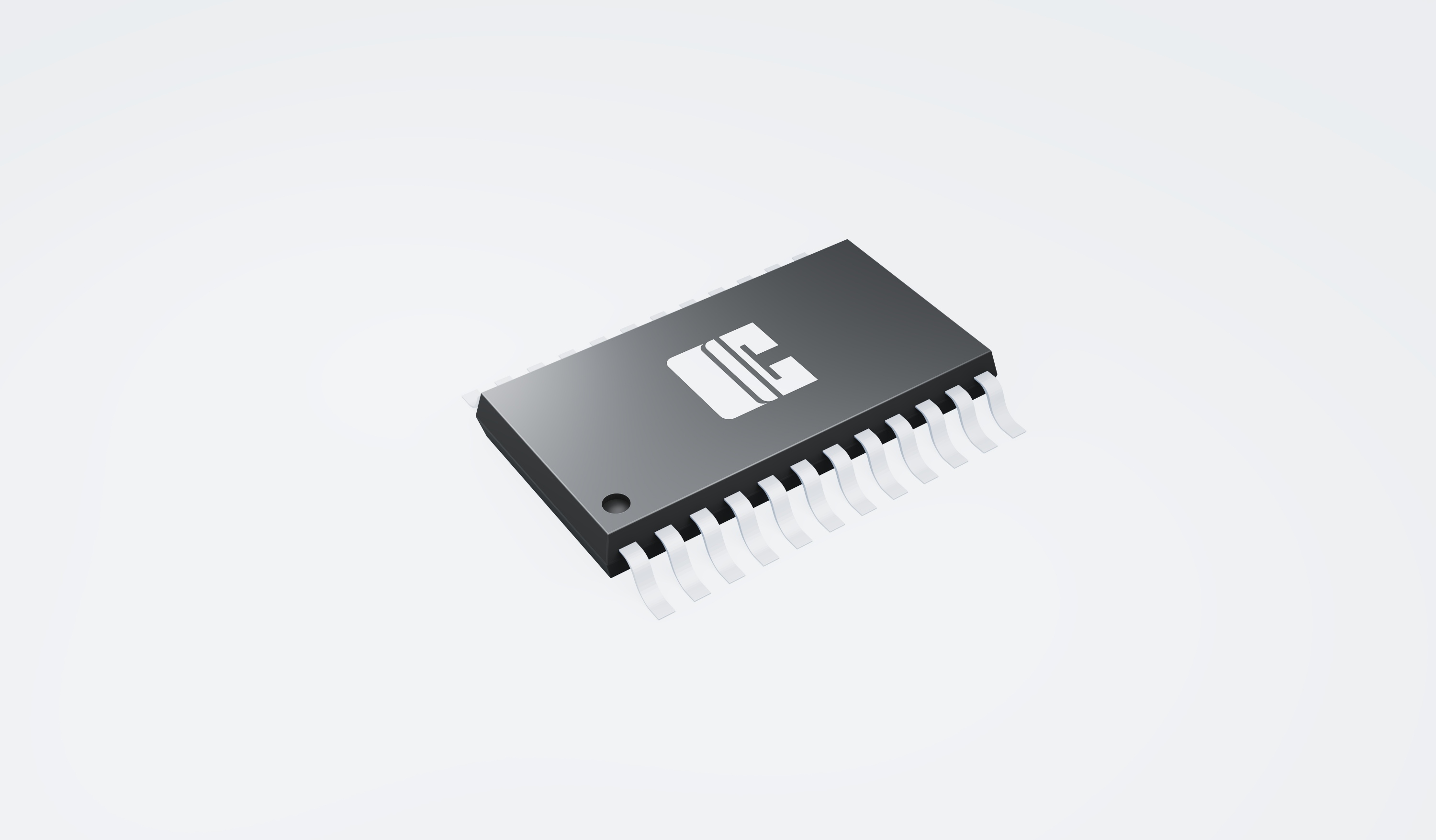
AiP74AVC8T245는 양방향 레벨 변환을 지원하는 8비트, 이중 전원 공급 트랜시버입니다. 이 장치는 두 개의 8비트 입출력 포트(An 및 Bn), 방향 제어 입력(DIR), 출력 활성화 입력( ) 및 이중 전원 핀(VCC(A) 및 VCC(B))을 갖추고 있습니다. VCC(A)와 VCC(B)는 모두 0.8V에서 3.6V 사이의 임의의 전압으로 공급될 수 있으므로 0.8V, 1.2V, 1.5V, 1.8V, 2.5V 및 3.3V와 같은 모든 저전압 노드 간 변환에 적합합니다. An 핀과 DIR 핀은 VCC(A)를 기준으로 하고, Bn 핀은 VCC(B)를 기준으로 합니다. DIR 핀이 HIGH이면 An에서 Bn으로의 전송이 가능하고, DIR 핀이 LOW이면 Bn에서 An으로의 전송이 가능합니다. 출력 활성화 입력( )을 사용하여 출력을 비활성화함으로써 버스를 효과적으로 분리할 수 있습니다.이 장치는 IOFF를 사용하는 부분 전원 차단 애플리케이션에 대해 완벽하게 사양이 정의되어 있습니다. IOFF 회로는 출력을 비활성화하여 전원이 차단될 때 장치를 통해 유해한 역류 전류가 흐르는 것을 방지합니다. 절전 모드에서 VCC(A) 또는 VCC(B) 중 하나가 GND 레벨일 때 An과 Bn 모두 고임피던스 OFF 상태가 됩니다.
세부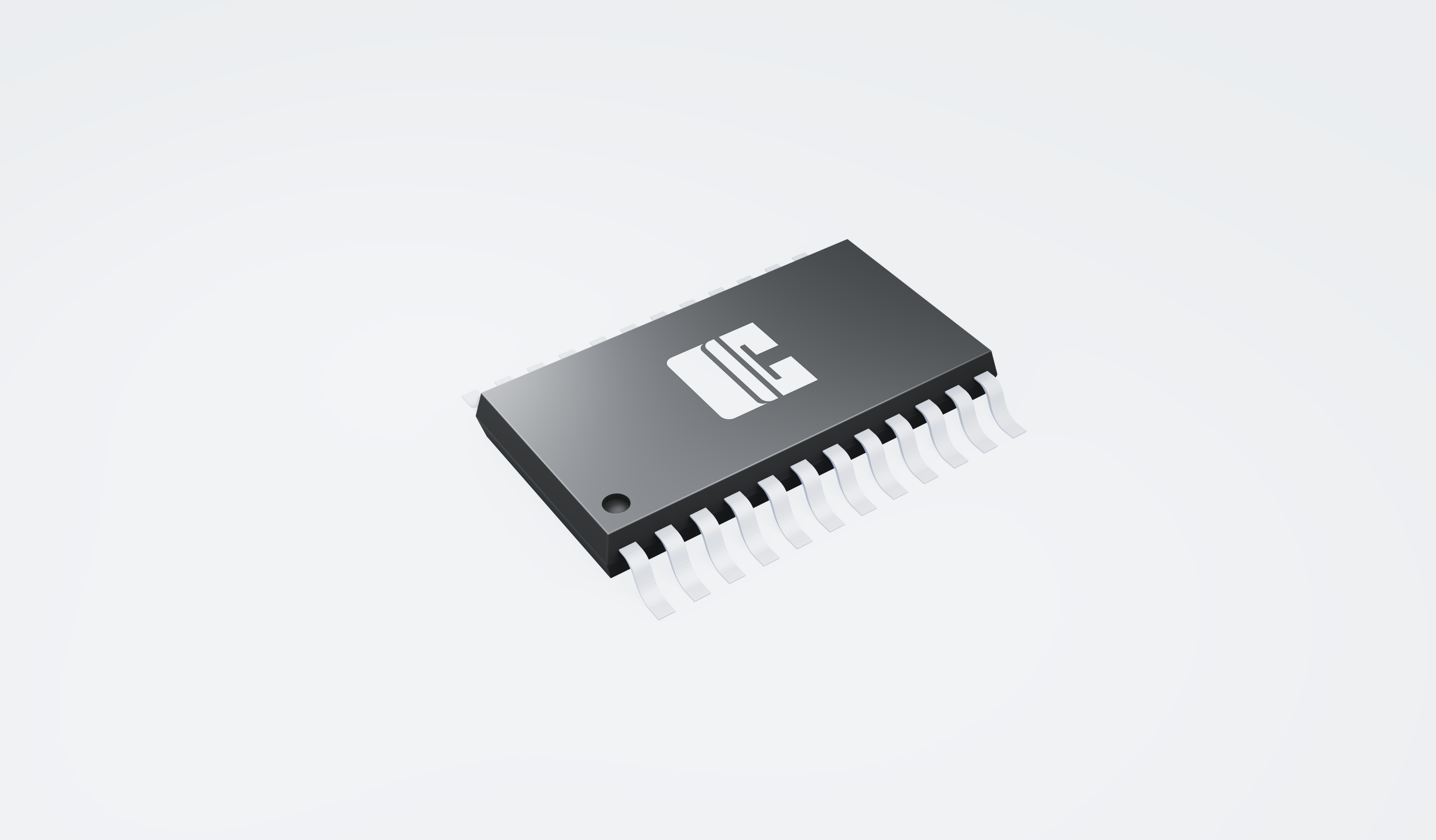
AiP74AVCH8T245는 양방향 레벨 변환을 지원하는 8비트, 듀얼 전원 공급 트랜시버입니다. 이 장치는 두 개의 8비트 입출력 포트(An 및 Bn), 방향 제어 입력(DIR), 출력 활성화 입력(OE) 및 듀얼 전원 핀(VCC(A) 및 VCC(B))을 갖추고 있습니다. VCC(A)와 VCC(B)는 모두 0.8V에서 3.6V 사이의 임의의 전압으로 공급될 수 있어 0.8V, 1.2V, 1.5V, 1.8V, 2.5V 및 3.3V와 같은 저전압 노드 간 변환에 적합합니다. An, OE 및 DIR 핀은 VCC(A)를 기준으로 하고, Bn 핀은 VCC(B)를 기준으로 합니다. DIR 핀이 HIGH이면 An에서 Bn으로의 전송이 가능하고, DIR 핀이 LOW이면 An에서 Bn으로의 전송이 불가능합니다. Bn에서 An으로의 전송. 출력 활성화 입력(OE)을 사용하여 출력을 비활성화하면 버스가 효과적으로 분리됩니다. AiP74AVCH8T245는 사용되지 않거나 부동 상태인 데이터 입력을 유효한 논리 레벨로 유지하는 액티브 버스 홀드 회로를 갖추고 있습니다. 이 기능 덕분에 외부 풀업 또는 풀다운 저항이 필요 없습니다.
세부


메시지를 남겨주세요
 언어
언어




-1779689065Oq2857zhBA.jpg)
-1779689603FtroEi4lar.jpg)
-17796909303LV3yvSSAQ.jpg)
-1779691104EPwpg6Iih3.jpg)
-17683732918uj91doL7X.jpg)
 IPv6 네트워크 지원